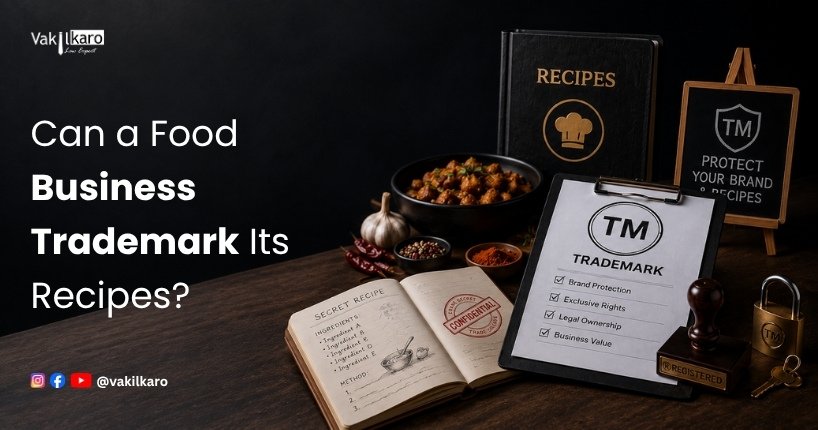
In the competitive food industry, businesses rely on unique dishes to differentiate themselves. A secret recipe can be a brand’s core asset, creating a signature taste that attracts loyal customers. While trademark registration online primarily protects brand names, logos, and slogans, it does not cover recipes. However, businesses can trademark the names of their signature dishes after conducting a trademark name search. Copyright registration safeguards the creative presentation of recipes, while patent registration may apply if a recipe involves a novel cooking method. By leveraging trademarks, copyrights, and patents, businesses can protect their culinary innovations and maintain a competitive edge.
Key Takeaways
- A food business can apply for trademark protection for dish names associated with its brand, ensuring exclusivity in the market.
- When a food business decides to apply for a trademark, conducting a thorough trademark name search is essential to ensure that the name or branding associated with their dish is not already registered by another company.
- Best Practices for Food Businesses to Protect Their Recipes While direct protection of recipes through trademark registration online is not possible, food businesses can adopt alternative strategies to safeguard their culinary innovations.
- Conclusion While food businesses cannot directly apply for trademark protection for their recipes, they can still safeguard their culinary creations through trademarking dish names, maintaining trade secrets, and using copyright and patent protections strategically.
- Additionally, trademark registration online provides an efficient way to protect the names of signature dishes and brand elements, ensuring a business remains distinctive in the competitive food industry.
Protecting Recipes in the Food Industry: Understanding Trademarks, Copyrights, and Patents
In the highly competitive food industry, businesses often rely on unique and secret recipes to distinguish themselves from competitors. A signature dish can become a brand’s defining element, attracting loyal customers and enhancing its market presence. However, securing legal protection for recipes is a complex matter, as intellectual property laws primarily safeguard branding elements rather than the actual ingredients and preparation methods. While trademark registration online applies to brand names, logos, and slogans, it does not extend to recipes. Nevertheless, businesses can still protect their culinary creations through strategic use of trademarks, copyrights, and patents.
One of the most effective ways to safeguard a signature dish is by trademarking its name. A food business can apply for trademark protection for dish names associated with its brand, ensuring exclusivity in the market. However, before proceeding with trademark registration, conducting a thorough trademark name search is essential to avoid conflicts with existing trademarks. While a recipe itself cannot be trademarked, securing the dish’s name under trademark law helps businesses maintain brand recognition and prevent competitors from using similar names.
Copyright registration plays a role in protecting the creative presentation of recipes. Although a simple list of ingredients cannot be copyrighted, unique descriptions, storytelling, and visual representations of recipes in cookbooks or blogs may qualify for copyright protection. Additionally, businesses with innovative food preparation techniques may explore patent registration. If a recipe involves a novel process, such as a new food preservation method or an innovative cooking technique, it may qualify for a patent, offering legal protection against unauthorized use.
By leveraging trademarks, copyrights, and patents strategically, food businesses can safeguard their unique recipes and strengthen their brand identity. Combining legal protection with strong branding and confidentiality measures ensures long-term success in the competitive culinary landscape.
In the dynamic and competitive food industry, businesses continuously seek ways to stand out by crafting unique dishes that captivate customers and establish a loyal following. A secret recipe, whether it’s a signature sauce, a special spice blend, or a unique method of preparation, can be the foundation of a brand’s identity. The exclusivity of a well-guarded recipe often contributes to a restaurant’s success, making it a valuable asset that businesses aim to protect from imitation. However, securing legal protection for recipes is not as straightforward as trademarking a brand name or logo.
Trademarks primarily serve to protect brand identifiers, such as company names, product names, logos, and slogans, rather than the actual composition of a recipe. This means that while a business can apply for trademark registration online to safeguard the name of a signature dish, the recipe itself does not qualify for trademark protection. For example, a well-known fast-food chain can trademark the name of its signature burger, ensuring that no competitor can use an identical or confusingly similar name. However, the specific combination of ingredients and preparation methods that make up the burger remains outside the scope of trademark law.
For food businesses aiming to protect their recipes, understanding the broader intellectual property landscape is crucial. Copyright registration, while effective for protecting written and artistic works, does not cover functional aspects like a list of ingredients or cooking methods. Patent registration, on the other hand, may be applicable if a recipe involves an entirely new and innovative food preparation technique. By exploring the right intellectual property protections, food businesses can implement a strategic approach to safeguarding their culinary creations while maintaining a competitive edge in the market.
Understanding Trademarks in the Food Industry
A trademark is a recognizable symbol, word, phrase, or design that distinguishes a brand from others in the market. Food businesses can apply for trademark protection for their brand name, logo, and even unique product packaging to establish a strong identity in the industry. However, a recipe, in itself, does not fall under the category of trademark protection unless it is tied to a specific brand identity, such as the name of a signature dish.
When a food business decides to apply for a trademark, conducting a thorough trademark name search is essential to ensure that the name or branding associated with their dish is not already registered by another company. This step prevents legal disputes and ensures that the brand identity remains exclusive.
Why Recipes Cannot Be Trademarked
Trademark protection applies to elements that help consumers identify the source of a product. A recipe, which consists of a list of ingredients and preparation steps, is considered a method rather than a brand identifier. Since multiple businesses can create similar recipes with slight modifications, granting a trademark for a recipe would be impractical and unenforceable.
However, if a food business markets a unique dish under a distinct name, that name can be trademarked. For instance, a fast-food chain may apply for trademark protection for the name of a signature burger, preventing competitors from using the same name but not restricting them from making a similar product with minor variations.
Trademarking a Dish Name: A Viable Strategy
Since trademark registration online does not apply to recipes, businesses can still protect their brand by trademarking the names of their unique dishes. A registered trademark name prevents competitors from using an identical or confusingly similar name for a dish, thus preserving the brand’s market position.
For example, a bakery selling a signature dessert under the brand name "Choco Bliss Delight" can apply for trademark protection to ensure no other bakery uses the same name. Before filing, a trademark name search should be conducted to verify the uniqueness of the name within the relevant food category.
Copyright Registration and Its Relevance to Recipes
Many food businesses explore copyright registration as a means of protecting their recipes. Copyright law protects original works of authorship, including books, music, and artistic creations. However, recipes do not qualify for copyright protection unless they are presented in a literary or artistic format, such as a cookbook or a culinary blog. A simple list of ingredients does not meet the originality requirement for copyright protection.
However, if a recipe is accompanied by unique descriptions, creative storytelling, or original images, the entire content can be copyrighted as a literary work. This means that while the functional aspects of a recipe cannot be protected under copyright, the creative way in which they are presented can be.
Patent Registration and Its Role in Recipe Protection
Some food businesses explore patent registration as a way to protect their recipes, especially if the recipe involves a unique and novel method of food preparation. Patents are granted for inventions that meet the criteria of novelty, non-obviousness, and usefulness. If a recipe involves a new cooking technique, food processing method, or innovative ingredient combination that has never been used before, a food business may file for a patent to prevent others from replicating it.
For instance, a company that develops a revolutionary method of preserving food without preservatives may qualify for a patent. However, obtaining a patent for a recipe is a complex process that requires substantial proof of innovation and industrial applicability.
Best Practices for Food Businesses to Protect Their Recipes
While direct protection of recipes through trademark registration online is not possible, food businesses can adopt alternative strategies to safeguard their culinary innovations. Here are some effective measures:
- Trademark Brand Elements: Food businesses should apply for trademark protection for their brand name, logo, and signature dish names. This ensures that competitors cannot use similar branding to mislead customers.
- Conduct a Trademark Name Search: Before registering a trademark, businesses should perform a comprehensive trademark name search to avoid conflicts with existing trademarks in the food industry.
- Maintain Trade Secrets: Keeping a recipe confidential can be a practical way to protect it. Restaurants like KFC and Coca-Cola have famously maintained secrecy around their recipes, ensuring long-term brand exclusivity.
- Use Copyright Protection for Presentation: While the recipe itself cannot be copyrighted, food businesses can use copyright registration to protect the way they present recipes in cookbooks, blogs, or advertisements.
- Explore Patent Registration for Innovative Methods: If a recipe involves a unique cooking process or food formulation, businesses can apply for patent registration to prevent unauthorized replication.
- Sign Non-Disclosure Agreements (NDAs): Employees and business partners involved in handling secret recipes should sign NDAs to prevent unauthorized sharing of proprietary culinary information.
- Establish Strong Branding: Building a strong brand presence through consistent marketing efforts can create an association between a particular recipe and a business, making it difficult for competitors to replicate its success.
Conclusion
While food businesses cannot directly apply for trademark protection for their recipes, they can still safeguard their culinary creations through trademarking dish names, maintaining trade secrets, and using copyright and patent protections strategically. Conducting a trademark name search before registering a brand-related trademark is essential to avoid conflicts and secure exclusive rights. Additionally, trademark registration online provides an efficient way to protect the names of signature dishes and brand elements, ensuring a business remains distinctive in the competitive food industry.
Copyright and patent laws also offer indirect ways to protect recipes, particularly through copyright registration for creative recipe presentations and patent registration for innovative food preparation methods. Ultimately, food businesses must adopt a combination of these strategies to effectively protect their unique recipes and maintain their competitive edge in the industry. By leveraging intellectual property laws and strong branding, food businesses can ensure long-term success while preserving the uniqueness of their culinary offerings.
Why choose Vakilkaro for other services?
Vakilkaro stands out as a trusted legal service provider, offering comprehensive solutions tailored to the needs of businesses and individuals. Their expertise extends beyond just trademark registration to a wide range of legal, financial, and compliance services, ensuring seamless assistance for entrepreneurs, startups, and established companies.
With a strong focus on professionalism and efficiency, Vakilkaro simplifies complex legal procedures, saving clients time and effort. Whether you need assistance with section 8 microfinance company registration GST registration and compliance, intellectual property protection, tax advisory, or legal documentation, their experienced professionals provide end-to-end support. Their user-friendly online platform makes it easy to apply for trademark registration, conduct a trademark name search, or seek guidance on copyright and patent registration.
Vakilkaro’s commitment to customer satisfaction, transparent pricing, and personalized solutions ensures that businesses receive reliable legal support at every stage of their growth. Whether you are looking to protect your brand, secure financial compliance, or navigate business regulations, Vakilkaro provides a one-stop solution for all your legal and corporate needs.
Official External Resources
Use these primary/official sources to verify rules, forms, fees, timelines and regulatory updates before publication.
Frequently asked questions
Can a Food Business Trademark Its Recipes?+
When a food business decides to apply for a trademark, conducting a thorough trademark name search is essential to ensure that the name or branding associated with their dish is not already registered by another company. Best Practices for Food Businesses to Protect Their Recipes While direct protection of recipes through trademark registration online is not possible, food businesses can adopt alternative strategies to safeguard their culinary innovations.
