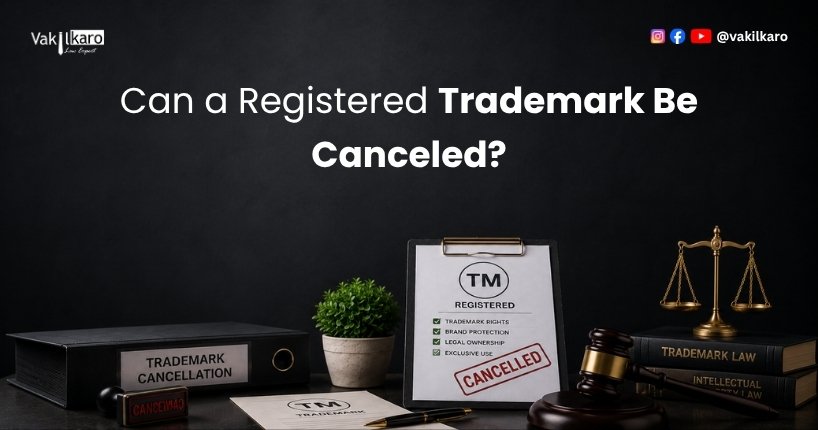
A trademark is a valuable asset that distinguishes a company’s products or services from competitors. When businesses register a brand through logo trademark registration, they gain exclusive rights to use their mark in commerce. However, a registered trademark can be canceled under specific legal conditions, such as non-use, fraud, or similarity to an existing mark. Trademark cancellation refers to revoking a registration due to non-compliance with laws, abandonment, or disputes. The process involves filing a petition, examination, and potential appeals. Similarly, a registered copyright or patent can also be canceled under certain conditions. Proper brand management ensures long-term protection.
Key Takeaways
- However, a registered trademark can be canceled under specific legal conditions, such as non-use, fraud, or similarity to an existing mark.
- Genericization of the Trademark If a registered brand name or logo becomes generic—meaning it is widely used by the public as a common term rather than a specific brand—it may be canceled.
- Violation of Trademark Laws A registered trademark can be canceled if it violates moral, religious, or public order guidelines.
- Yes, a registered copyright can be canceled or invalidated under certain legal circumstances, although the process differs from trademark or patent cancellations.
- Conclusion Yes, a registered trademark can be canceled under specific legal circumstances, including non-use, fraud, or confusion with existing trademarks.
Can a Registered Trademark Be Canceled?
A trademark is a crucial asset for businesses, helping them establish a distinct identity in the market. When companies register a brand through logo trademark registration, they secure exclusive rights to use their mark for commercial purposes. However, there are circumstances where a registered trademark may be subject to cancellation due to legal or procedural reasons. Understanding the grounds for trademark cancellation, the process involved, and related intellectual property concerns is essential for brand protection.
Reasons for Trademark Cancellation
One of the most common reasons for trademark cancellation is non-use. If a trademark is not actively used for a specific period—typically three to five years—it may be revoked. Competitors or other entities can file a petition to cancel it if the owner fails to prove its usage. Another reason is genericization, where a brand name becomes a commonly used term in the industry. Brands like “Escalator” and “Aspirin” lost their trademark status because they became generic terms.
Additionally, fraud or misrepresentation during the registration process can result in cancellation. If false claims were made while registering the trademark, authorities have the right to revoke it. Similarly, if a trademark closely resembles an existing one and causes consumer confusion, the original trademark owner can file for cancellation.
The Cancellation Process
The process begins with filing a petition for cancellation with the relevant trademark authority, followed by a review and response from the trademark owner. If required, a hearing is conducted before a final decision is made. Businesses can also appeal the ruling if they disagree with the outcome.
Just as trademarks can be revoked, businesses should also be aware that a registered copyright or patent can be canceled under specific conditions. Proper legal compliance ensures long-term brand security.
A trademark is a crucial intellectual property asset that helps businesses establish a unique identity, differentiating their products and services from competitors in the market. By securing a logo trademark registration, a company gains exclusive rights to use its mark in commerce, ensuring brand recognition and legal protection against unauthorized use. However, trademark ownership is not always permanent, as certain legal or procedural factors may lead to its cancellation. A registered trademark can be challenged and revoked under various circumstances, such as non-use, fraud, violation of existing laws, or conflicts with prior rights.
Understanding the grounds for cancellation, the legal procedures involved, and the potential impact on businesses is essential for brand owners. Additionally, similar concerns apply to other forms of intellectual property, including copyrights and patents, raising the question of whether these too can be revoked under specific conditions. This article delves into the detailed process of trademark cancellation, the reasons behind it, and the broader implications for intellectual property rights.
Understanding Trademark Cancellation
Trademark cancellation is a legal procedure through which a registered trademark can be revoked if it fails to comply with trademark laws, is abandoned, or faces ownership disputes. This process is essential for maintaining the integrity of the trademark system and ensuring that only valid and actively used trademarks remain protected. Cancellation can be initiated by third parties who challenge the validity of the registration, alleging reasons such as fraudulent acquisition, non-use over a specific period, or conflict with pre-existing trademarks. In some instances, the trademark owner may also request cancellation voluntarily, such as when a brand is rebranded or discontinued. While registering a trademark grants businesses exclusive rights and legal protection, maintaining those rights requires adherence to legal requirements. Failure to meet these conditions can expose a trademark to cancellation proceedings, which may result in the loss of brand exclusivity and legal protection. Understanding the grounds for cancellation and the legal framework surrounding it is crucial for brand owners to safeguard their intellectual property rights effectively.
Grounds for Cancelling a Registered Trademark
Non-Use of the Trademark
In many jurisdictions, if a trademark is not used for a continuous period (usually three to five years), it may be canceled due to non-use. Competitors or other interested parties can file a petition to cancel the mark if the owner fails to provide evidence of usage.
Genericization of the Trademark
If a registered brand name or logo becomes generic—meaning it is widely used by the public as a common term rather than a specific brand—it may be canceled. Examples include former trademarks like “Escalator” and “Aspirin,” which lost their exclusivity.
Fraud or Misrepresentation
If a trademark was registered based on false claims or fraudulent information, authorities may cancel the registration. This ensures that brands cannot obtain exclusive rights under deceptive circumstances.
Likelihood of Confusion
If a new registration is too similar to an existing registered brand and creates confusion among consumers, the earlier trademark owner can challenge the registration and request its cancellation.
Violation of Trademark Laws
A registered trademark can be canceled if it violates moral, religious, or public order guidelines. Marks that include offensive symbols, misleading elements, or restricted terms may be subject to cancellation.
The Trademark Cancellation Process
Step 1: Filing a Petition
A party seeking to cancel a trademark must file a petition with the relevant trademark office, providing detailed reasons for cancellation. Evidence supporting the claim is required.
Step 2: Examination and Response
The trademark authority reviews the petition and notifies the trademark owner. The owner has an opportunity to respond with justifications for maintaining the registration.
Step 3: Hearing and Decision
If necessary, a hearing may be conducted where both parties present their arguments. Based on the evidence, the authorities will determine whether to uphold or cancel the trademark registration.
Step 4: Appeal Process
If a party is dissatisfied with the decision, they can file an appeal in a higher legal forum, such as an Intellectual Property Appellate Board or court.
Impact of Trademark Cancellation on Businesses
Canceling a registered trademark can have significant legal and business consequences, affecting a company’s brand identity, market position, and competitive advantage. When a business fails to maintain its logo trademark registration—whether due to non-use, failure to renew, or legal disputes—it risks losing the exclusive rights associated with the mark. This can result in diminished brand recognition, eroding customer trust and loyalty built over time. Additionally, without legal protection, competitors may capitalize on the opportunity to register similar or identical trademarks, leading to brand dilution and market confusion. Consumers might struggle to differentiate between products or services, potentially causing financial losses and reputational damage to the original brand owner. In industries where brand recognition is a key driver of success, losing a trademark can significantly impact sales, partnerships, and business expansion. Therefore, businesses must actively monitor and protect their trademarks, ensuring compliance with renewal deadlines, proper usage, and legal requirements to prevent cancellation and safeguard their intellectual property rights.
Can a Registered Copyright Be Canceled?
Can a Registered Copyright Be Canceled?
Yes, a registered copyright can be canceled or invalidated under certain legal circumstances, although the process differs from trademark or patent cancellations. Copyright protection is granted automatically upon the creation of an original work, but formal registration provides additional legal benefits, such as the ability to sue for infringement. However, in specific situations, a registered copyright may be revoked or deemed unenforceable.
Grounds for Copyright Cancellation:
- Fraud or Misrepresentation – If a copyright registration was obtained through fraudulent means, such as providing false authorship details or misrepresenting ownership, it can be challenged and canceled.
- Lack of Originality – Copyright law protects only original works. If it is proven that a copyrighted work lacks originality—meaning it is either copied from another source or does not meet the originality requirement—the registration may be invalidated.
- Violation of Public Policy – Certain works, such as those that promote illegal activities, obscenity, or violate ethical standards, may be deemed unprotectable under copyright law and subject to cancellation.
- Failure to Qualify for Copyright Protection – Some types of works do not qualify for copyright protection, such as mere facts, short phrases, ideas, and government publications in certain jurisdictions. If a registered work is found to fall into one of these categories, the copyright may be revoked.
How Can a Copyright Be Canceled?
- Legal Challenges: A third party can challenge a registered copyright by filing a petition in court or with the copyright office, arguing that the work does not meet the necessary legal requirements.
- Judicial Review: Courts can revoke copyright protection if they determine that the work is ineligible for copyright or was registered fraudulently.
- Government Action: In rare cases, copyright authorities may cancel a registration if they find evidence of fraud or non-compliance with copyright laws.
Key Differences from Trademark and Patent Cancellation:
- No Renewal Requirement: Unlike trademarks and patents, copyrights do not require periodic renewal to remain valid, making them more permanent in nature.
- Automatic Protection: Even if a registered copyright is canceled, the work may still enjoy basic copyright protection under common law, unless it is proven to lack originality.
- Limited Cancellation Grounds: Copyrights are harder to cancel compared to patents and trademarks, as they do not depend on commercial use or novelty requirements.
While copyright registration provides strong legal protection, it is not immune to cancellation. Therefore, creators and businesses should ensure their works meet copyright eligibility criteria and avoid fraudulent claims to prevent potential legal disputes.
Can a Registered Patent Be Canceled?
Yes, a registered patent can be canceled or revoked under specific legal conditions. Although patents grant inventors exclusive rights over their inventions for a limited period, they are not immune to cancellation if they fail to meet legal standards or if challenges arise. Patent cancellation, also known as revocation, can occur through various means, including legal proceedings initiated by third parties or the government.
Grounds for Patent Cancellation:
- Lack of Novelty – If it is proven that the invention was not new at the time of filing and was already disclosed in prior art, the patent may be invalidated.
- Non-Obviousness – A patent must involve an inventive step that is not obvious to someone skilled in the relevant field. If it is found that the invention lacks this element, the patent can be revoked.
- Non-Patentable Subject Matter – Certain types of inventions, such as abstract ideas, natural laws, and mathematical formulas, do not qualify for patent protection. If a patent was granted for such subject matter, it may be canceled.
- Fraud or Misrepresentation – If the patent was obtained through fraudulent means, such as providing false data or omitting critical prior art references, it can be revoked.
- Failure to Pay Renewal Fees – Patents require periodic renewal. If the patent holder fails to pay the necessary fees within the stipulated timeframe, the patent may lapse and become unenforceable.
- Violation of Public Policy – If an invention is deemed harmful to society or illegal (such as a patent for an unethical medical procedure), authorities may revoke its registration.
How is a Patent Canceled?
Patent cancellation can occur through various legal processes, including:
- Post-Grant Opposition: In some jurisdictions, third parties can challenge a patent within a specific period after it is granted.
- Patent Infringement Lawsuits: During litigation, a defendant may argue that the patent in question is invalid, leading to its cancellation.
- Revocation by Authorities: National patent offices or courts can revoke patents if they fail to comply with legal requirements.
Unlike trademarks, which require active use and periodic renewal, patents are time-limited and typically expire after 20 years. However, their validity can be challenged at any point during their term. Understanding the grounds and procedures for patent cancellation is essential for inventors, businesses, and competitors seeking to protect their intellectual property rights.
Protecting Your Registered Brand and Logo
Trademark cancellation can lead to the loss of brand identity, customer trust, and legal protection. To safeguard their trademarks, businesses must take proactive measures to ensure compliance with trademark laws and maintain the validity of their registrations. Below are key steps that businesses should follow to prevent trademark cancellation:
Use the Trademark Regularly
One of the most common reasons for trademark cancellation is non-use. Businesses should ensure continuous and consistent use of their registered logo, brand name, or slogan in commerce. This means displaying the trademark on products, packaging, websites, advertisements, and promotional materials. Inactive trademarks can be challenged and revoked by third parties who claim that the mark is no longer in use.
Maintain Proper Documentation
To defend against cancellation claims, businesses must keep comprehensive records of trademark usage. These records can include:
- Marketing and advertising materials that feature the trademark.
- Sales invoices, receipts, and financial reports demonstrating commercial use.
- Digital presence, such as website screenshots, social media posts, and e-commerce listings.
- Internal business records showing investment in brand development.
Proper documentation serves as evidence of continuous use and can be crucial in legal disputes.
Renew Trademark Registrations on Time
Trademarks require periodic renewal, usually every 10 years, depending on the jurisdiction. Failure to renew on time may result in the automatic cancellation of the trademark, making it available for others to register. Businesses should keep track of renewal deadlines and ensure that necessary fees and documents are submitted before the expiration date.
Monitor Market Activity and Competitors
Unauthorized use of similar trademarks by competitors can dilute a brand’s value and lead to legal disputes. Businesses should actively monitor their industry for potential trademark infringements, including:
- Conducting regular searches for similar marks in trademark databases.
- Monitoring online platforms, marketplaces, and social media for potential misuse.
- Taking action against counterfeit products or unauthorized brand usage.
Early detection of infringement allows businesses to take legal action before brand confusion arises.
Seek Legal Assistance When Needed
If a trademark faces a cancellation challenge, businesses should seek guidance from an intellectual property (IP) lawyer. Legal professionals can help:
- Respond to cancellation petitions and defend trademark rights.
- Handle disputes over ownership or alleged non-use.
- Assist in renewing trademarks and updating registrations as needed.
- Provide legal strategies to strengthen trademark protection.
By proactively managing trademark registrations, businesses can avoid cancellation risks and ensure long-term brand security. Taking these preventive steps helps protect intellectual property, maintain brand recognition, and uphold exclusive rights in the competitive marketplace.
Conclusion
Yes, a registered trademark can be canceled under specific legal circumstances, including non-use, fraud, or confusion with existing trademarks. While trademark registration grants businesses exclusive rights and legal protection, maintaining these rights requires compliance with trademark laws. If a trademark is not actively used in commerce for a certain period, it may be considered abandoned and subject to cancellation. Fraudulent registration, such as misrepresentation or omission of critical details, can also lead to revocation. Additionally, if a trademark is too similar to an existing one and causes consumer confusion, it may be challenged and canceled. In cases where a trademark becomes generic, meaning it is widely used to describe a general product or service rather than a specific brand, it may lose its distinctiveness and legal protection. Trademarks that violate public policy, contain offensive content, or mislead consumers may also be invalidated.
Similar to trademarks, copyrights and patents can also be canceled under certain conditions. A registered copyright may be revoked if it was obtained fraudulently, if the work lacks originality, or if it violates public policy. However, unlike trademarks, copyrights do not require renewal and generally last for the creator’s lifetime plus several decades. Patents can also be canceled if the invention lacks novelty, does not involve an inventive step, or was obtained fraudulently. Additionally, failure to pay renewal fees can result in patent revocation.
To avoid cancellation, businesses should take proactive steps to protect their intellectual property. Regularly using trademarks in commerce helps prevent abandonment claims, while maintaining proper records of usage can serve as evidence in legal disputes. Conducting thorough trademark searches before registration minimizes the risk of conflicts, and timely renewal of intellectual property rights ensures continued legal protection. Seeking legal assistance in cases of disputes or compliance issues can help businesses navigate potential challenges. By following best practices for intellectual property management, businesses can safeguard their brand identity, maintain exclusive rights, and prevent legal complications.
Why Choose Vakilkaro for Comprehensive Legal and Business Services?
Choosing Vakilkaro for legal and business services ensures expert guidance, seamless execution, and comprehensive support tailored to your needs. With a team of experienced professionals specializing in section 8 microfinance company registration GST registration and compliance, trademark registration and intellectual property protection, legal documentation, tax advisory, and business licenses, Vakilkaro simplifies complex legal processes, saving time and effort. Their personalized approach, transparent pricing, and commitment to compliance make them a reliable partner for startups, entrepreneurs, and established businesses. Whether you need assistance with corporate restructuring, M&A, RBI licensing, or legal dispute resolution, Vakilkaro provides end-to-end solutions, ensuring your business operates smoothly and remains legally compliant.
Official External Resources
Use these primary/official sources to verify rules, forms, fees, timelines and regulatory updates before publication.
Frequently asked questions
Can a Registered Trademark Be Canceled?+
However, a registered trademark can be canceled under specific legal conditions, such as non-use, fraud, or similarity to an existing mark. Genericization of the Trademark If a registered brand name or logo becomes generic—meaning it is widely used by the public as a common term rather than a specific brand—it may be canceled.
