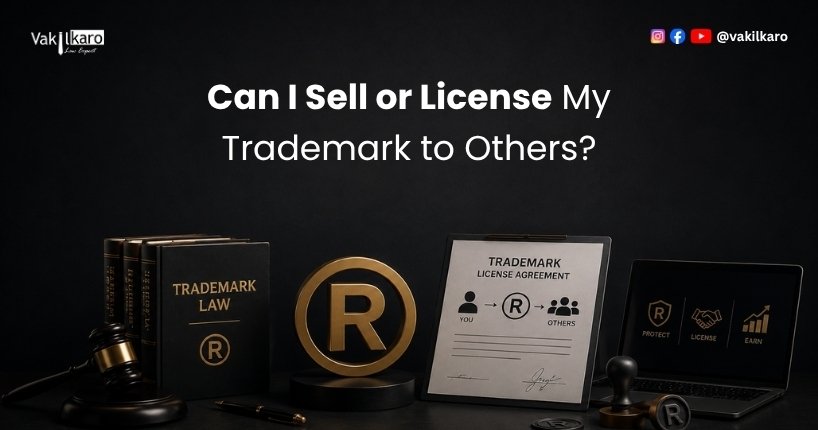
Selling or licensing a trademark allows owners to monetize their brand while maintaining or transferring ownership. Selling involves a complete transfer of rights, while licensing permits another party to use the trademark under specific terms, generating ongoing royalties. Both options require legal agreements, valuation, and compliance with trademark laws to protect brand integrity. Selling offers immediate financial gain, whereas licensing ensures long-term revenue and brand expansion. However, risks like brand misuse and legal disputes must be managed. Proper due diligence, clear contracts, and expert guidance are essential for a smooth and profitable transaction, ensuring legal protection and brand value.
Key Takeaways
- Whether opting to sell or license, strategic planning and professional advice can help maximize the trademark’s value while mitigating potential risks.
- If you own a registered trademark, you may be wondering: Can I sell or license my trademark to others?
- In this blog, we will explore how you can sell or license your trademark, the legal considerations involved, and the benefits and risks associated with these options.
- As the owner, you have the legal authority to transfer (sell) or permit others to use your trademark (license).
- Types of Trademark Assignments Complete Assignment – The assignor transfers all ownership rights to the assignee, including the right to use, license, and sell the trademark.
Selling or Licensing Your Trademark: Key Insights and Considerations
Monetizing a trademark can be achieved through selling or licensing, each offering distinct advantages and considerations. Selling a trademark involves a complete transfer of ownership, granting the buyer exclusive rights to its use, while licensing allows the owner to retain ownership and earn royalties by permitting others to use the trademark under specific conditions.
Licensing provides a continuous revenue stream and brand expansion opportunities, but it requires strict quality control to maintain its brand reputation. On the other hand, selling offers an immediate financial return but results in the permanent loss of control over the trademark. Both options demand careful legal structuring, including proper valuation, detailed agreements, and compliance with trademark laws to avoid disputes.
Selling ensures a clean exit from the brand’s ownership, whereas licensing necessitates ongoing management and oversight to prevent misuse or dilution of the brand’s identity. Potential risks in both approaches include unauthorized use, breach of contract, and devaluation of the Trademark Registration if not managed effectively. Conducting thorough due diligence before entering into any agreement is essential to ensure the credibility of the buyer or licensee.
Additionally, well-drafted contracts should outline the scope, duration, financial terms, and enforcement mechanisms to safeguard rights and interests. Legal professionals specializing in intellectual property can provide valuable guidance to navigate complexities and ensure compliance with jurisdictional requirements. Whether opting to sell or license, strategic planning and professional advice can help maximize the trademark’s value while mitigating potential risks.
Ultimately, the choice between selling and licensing depends on business objectives, long-term vision, and financial considerations. By understanding the nuances of both options, trademark owners can make informed decisions that align with their goals while ensuring legal protection and sustained brand value.
A trademark is a valuable intellectual property (IP) asset that represents the identity of a business. It distinguishes a company's goods or services from others in the market and builds brand recognition. Given its significance, businesses and individuals often explore ways to monetize their trademarks through selling or licensing. If you own a registered trademark, you may be wondering: Can I sell or license my trademark to others? The answer is yes! In this blog, we will explore how you can sell or license your trademark, the legal considerations involved, and the benefits and risks associated with these options.
Importance of Trademark Registration in Selling or Licensing a Trademark
Trademark registration plays a crucial role in the successful sale or licensing of a trademark, as it provides legal recognition, exclusive rights, and protection against Trademark Infringement A registered trademark establishes the owner’s authority over the brand and ensures that it can be legally transferred or licensed to others without disputes. Without registration, proving ownership and enforcing rights can be challenging, potentially reducing the trademark’s market value. Buyers or licensees seek assurance that the trademark is legally secure before entering into an agreement, making registration a key factor in negotiations.
When selling a trademark, registration simplifies the transfer process, as it clearly defines ownership and associated rights. A registered trademark is easier to assign legally, and the transaction can be officially recorded with the relevant trademark authority. This eliminates potential conflicts and ensures that the new owner has uncontested rights to the trademark. Additionally, registered trademarks have a higher valuation in the marketplace, making them more attractive to potential buyers.
In the case of licensing, registration provides the legal foundation for a strong licensing agreement. It grants the licensor the ability to dictate terms of use, enforce brand quality standards, and protect the brand from misuse. A registered trademark also strengthens legal enforcement in case of contract violations or unauthorized use. Furthermore, registration allows the trademark to be licensed across different jurisdictions, expanding business opportunities.
Ultimately, trademark registration is essential for securing financial benefits and legal protection when selling or licensing a trademark. It ensures that the brand’s value is preserved, facilitates smoother transactions, and prevents legal disputes. Whether transferring ownership or granting usage rights, a registered trademark enhances credibility, maximizes profitability, and safeguards long-term brand integrity.
Understanding Trademark Ownership and Rights
A trademark grants its owner the exclusive right to use it in connection with specific goods or services. Registering a trademark with the appropriate authority, such as the United States Patent and Trademark Office (USPTO) or India's Controller General of Patents, Designs, and Trademarks, strengthens the owner's rights and makes enforcement easier. As the owner, you have the legal authority to transfer (sell) or permit others to use your trademark (license).
Selling a Trademark (Trademark Assignment)
What is a Trademark Assignment?
A trademark assignment is a legal process where the trademark owner (assignor) transfers ownership to another party (assignee). Once assigned, the original owner loses all rights to the trademark, and the new owner gains full control over its use.
Types of Trademark Assignments
- Complete Assignment – The assignor transfers all ownership rights to the assignee, including the right to use, license, and sell the trademark.
- Partial Assignment – The assignor transfers rights for specific goods or services but retains ownership for others.
- Assignment with Goodwill – The trademark is transferred along with the associated business goodwill, ensuring continuity in brand value.
- Assignment Without Goodwill – The assignee can use the trademark for different goods or services without being bound by the assignor’s existing brand reputation.
Steps to Sell a Trademark
- Find a Buyer – Identify individuals or businesses interested in acquiring your trademark.
- Conduct a Valuation – Determine the fair market value of your trademark based on brand recognition, revenue, and goodwill.
- Draft an Assignment Agreement – A legal document outlining the terms of the transfer, including ownership rights and financial considerations.
- Execute the Agreement – Both parties sign the agreement, and payment is made as per the agreed terms.
- Record the Assignment – File the assignment with the relevant trademark authority to ensure legal recognition.
Benefits of Selling a Trademark
- Generates immediate revenue for the owner.
- Eliminates maintenance costs and renewal fees.
- Provides an opportunity to invest in new business ventures.
- Enables buyers to acquire established brand assets.
Risks of Selling a Trademark
- Permanent loss of control over the brand.
- Potential misuse of the trademark by the new owner.
- Possible undervaluation if the sale price is not carefully assessed.
Licensing a Trademark
What is Trademark Licensing?
Trademark licensing allows the owner (licensor) to grant another party (licensee) permission to use the trademark under specific terms and conditions. Unlike selling, the owner retains ownership while earning royalties from the licensee’s use of the mark.
Types of Trademark Licenses
- Exclusive License – The licensee has sole rights to use the trademark, and even the owner cannot use it.
- Non-Exclusive License – The owner can license the trademark to multiple parties simultaneously.
- Sublicense – The licensee is allowed to further license the trademark to third parties.
Steps to License a Trademark
- Identify Potential Licensees – Companies or individuals interested in using your trademark.
- Define Licensing Terms – Scope, duration, territory, quality control measures, and royalty payments.
- Draft a Licensing Agreement – A legal contract specifying usage rights, fees, and compliance requirements.
- Monitor Compliance – Ensure that the licensee maintains quality standards to protect brand reputation.
- Renew or Terminate Agreement – Evaluate whether to continue or end the licensing arrangement.
Benefits of Licensing a Trademark
- Generates ongoing revenue through royalties.
- Expands brand presence without additional investment.
- Retains ownership while leveraging external resources.
- Increases brand value through widespread recognition.
Risks of Licensing a Trademark
- Loss of brand control if the licensee misuses the trademark.
- Possible dilution of brand identity if not managed properly.
- Legal disputes over agreement terms or non-compliance.
Legal Considerations in Selling or Licensing a Trademark
- Trademark Registration – Ensure the trademark is registered to establish legal ownership.
- Due Diligence – Verify the credibility of the buyer or licensee to prevent future disputes.
- Agreement Drafting – Work with legal professionals to draft clear, enforceable contracts.
- Trademark Valuation – Assess the brand’s financial worth before negotiating terms.
- Jurisdictional Compliance – Ensure adherence to local and international trademark laws.
- Monitoring and Enforcement – Take legal action if there is unauthorized use or breach of contract.
Conclusion
Selling or licensing a trademark can be a lucrative opportunity if managed correctly. While selling provides an immediate financial gain and a clean exit, licensing allows for long-term revenue generation while maintaining ownership. However, both processes require careful legal and financial planning to mitigate risks and protect brand integrity. If you are considering selling or licensing your trademark, consulting with an intellectual property expert or trademark attorney can help ensure a smooth and profitable transaction.
Why Choose Vakilkaro for Selling or Licensing Your Trademark and Other Related Services?
Vakilkaro is a trusted legal service provider specializing in intellectual property rights, offering comprehensive assistance for selling or licensing trademarks. Our team of experienced professionals ensures a seamless process by handling legal documentation, contract drafting, and compliance with trademark laws. Vakilkaro simplifies trademark assignments and licensing agreements, ensuring clarity in ownership transfer, financial terms, and brand protection. They conduct due diligence to verify buyers or licensees, minimizing risks and preventing legal disputes.
Beyond trademark transactions, Vakilkaro provides a range of related services, including trademark registration, trademark renewal trademark Objection handling, and intellectual property protection. Their expertise extends to company registration, GST compliance, legal documentation, and business advisory, making them a one-stop solution for entrepreneurs and businesses. With personalized guidance and a client-centric approach, Vakilkaro helps businesses maximize the value of their trademarks while ensuring legal security and hassle-free transactions.
Official External Resources
Use these primary/official sources to verify rules, forms, fees, timelines and regulatory updates before publication.
Frequently asked questions
Can I Sell or License My Trademark to Others?+
If you own a registered trademark, you may be wondering: Can I sell or license my trademark to others? In this blog, we will explore how you can sell or license your trademark, the legal considerations involved, and the benefits and risks associated with these options.
