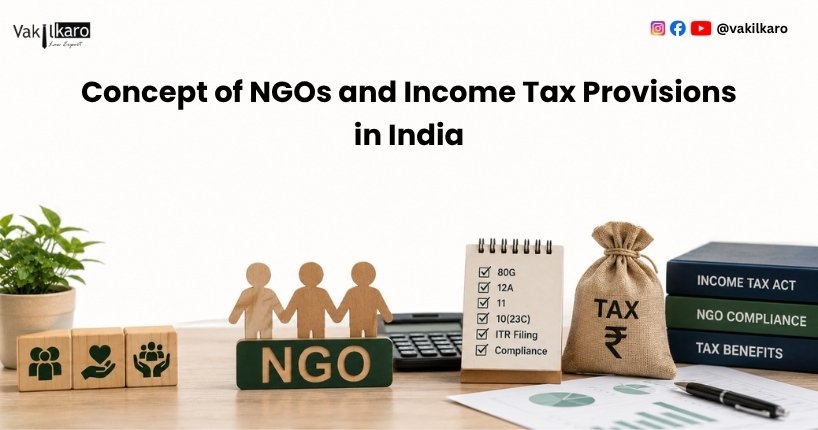
Non-Governmental Organizations (NGOs) are non-profit entities that address social, educational, healthcare, and environmental issues, relying on donations and grants for funding. To avail of tax exemptions in India, NGOs must register under Section 8, Trust, or Society frameworks, and obtain 12A and 80G registrations for tax benefits. They must comply with income tax provisions, file annual returns, and adhere to GST regulations. While donations are exempt from GST, some services may be taxable. NGOs should stay updated on amendments, state tax returns, and due dates to maintain transparency and avoid penalties, ensuring they continue their charitable work smoothly.
Key Takeaways
- In addition to registration, NGOs must adhere to the Income Tax Act’s provisions to maintain their tax-exempt status.
- However, understanding the nuances of income tax provisions, state refund processes, and applicable tax benefits is crucial for NGOs to ensure they comply with tax regulations while focusing on their social causes.
- This blog aims to provide a detailed explanation of the concept of NGOs, the relevant income tax provisions, and the various tax exemptions available to them under the Income Tax Act.
- The key provisions are as follows: Section 12A Registration: Section 12A registration is a prerequisite for NGOs to claim tax exemptions on income received.
- Conclusion In conclusion, understanding the concept of NGOs and the relevant income tax provisions is crucial for non-profit organizations in India.
NGOs and Their Tax Exemptions in India: A Comprehensive Overview
Non-Governmental Organizations (NGOs) play an essential role in addressing a range of societal issues, including education, healthcare, poverty alleviation, and environmental protection. These non-profit organizations rely on donations, grants, and other funding sources to support their missions. In India, NGOs are typically granted tax exemptions, but they must fulfill certain criteria set by the government to benefit from these exemptions. This includes registering under specific frameworks such as Section 8 companies Registration trusts, or societies, and obtaining key certifications like 12A and 80G to ensure tax benefits.
One of the key steps for an NGO to obtain tax-exempt status is to register under the appropriate legal framework. Section 8 company registration under the Companies Act, 2013, is a popular choice for larger NGOs or those that wish to establish a formal governance structure. Trust registration, governed by the Indian Trusts Act, 1882, offers more flexibility, while society registration is more suitable for smaller, community-based organizations. Regardless of the structure chosen, obtaining 12A and 80G registrations is critical for NGOs to claim tax exemptions and offer tax deductions to donors.
In addition to registration, NGOs must adhere to the Income Tax Act’s provisions to maintain their tax-exempt status. NGOs that meet the necessary requirements, including using funds solely for charitable purposes, are exempt from income tax. The 12A registration provides tax exemptions on income received, while the 80G registration allows donors to claim tax deductions, making it easier for NGOs to attract donations.
NGOs must also comply with Goods and Services Tax (GST) regulations. Although donations are exempt from GST, NGOs may need to charge GST on goods and services provided for a fee. Proper filing of income tax returns and adherence to deadlines are essential to maintain their tax-exempt status and avoid penalties.
Non-Governmental Organizations (NGOs) are non-profit organizations that play a crucial role in addressing social, environmental, educational, and healthcare issues in society. They operate without seeking profit and rely heavily on donations, grants, and funds to carry out their missions. Given their charitable nature, NGOs are generally exempt from paying income tax in India, provided they meet the specific criteria set by the government. However, understanding the nuances of income tax provisions, state refund processes, and applicable tax benefits is crucial for NGOs to ensure they comply with tax regulations while focusing on their social causes.
This blog aims to provide a detailed explanation of the concept of NGOs, the relevant income tax provisions, and the various tax exemptions available to them under the Income Tax Act. It will also cover essential topics such as NGO registration, 12A and 80G registrations, e-filing, tax credits, and compliance with state income tax return requirements.
What is an NGO?
A Non-Governmental Organization (NGO) is typically a non-profit entity that operates independently of government control and aims to address various social, cultural, and environmental issues. The primary mission of an NGO is to promote social welfare and tackle challenges such as poverty, education, healthcare, environmental protection, human rights, and disaster relief. NGOs play a vital role in filling gaps where government efforts may be limited or where additional support is needed in society. They often work on issues that align with the public good and focus on creating long-term positive impacts on communities.
Unlike for-profit businesses, NGOs are not driven by financial gains. Their operations and activities are centered around benefiting society, rather than generating profits for individuals or shareholders. As such, NGOs are primarily funded through charitable donations, grants from both private and public institutions, fundraising events, and voluntary contributions from individuals or corporations. These funds are dedicated exclusively to supporting the NGO’s mission, including running programs, offering services, and managing projects.
NGOs can operate on various scales, ranging from small, local organizations that serve specific communities to large, international NGOs that have a global presence. For instance, an NGO may work at the grassroots level to address issues in a specific neighborhood or village, or it may be involved in wide-ranging global initiatives, such as combating climate change or promoting human rights on an international platform.
In India, NGOs are granted special tax exemptions under the Income Tax Act to support their charitable objectives. However, these organizations must comply with certain legal and regulatory requirements to maintain their tax-exempt status. This includes registering with the relevant authorities, such as obtaining Section 12A registration, which confirms that the NGO operates solely for charitable purposes and uses its funds accordingly. Additionally, NGOs must ensure transparency in their operations and provide evidence that donations and other resources are used exclusively for social welfare, as outlined in their mission and goals. This process helps NGOs to maintain their credibility and legality while fulfilling their essential role in society.
Importance of NGO Registration
Before availing the benefits of tax exemptions, NGOs must first complete the registration process. There are different methods of registering an NGO in India, including:
- Section 8 Company Registration: A Section 8 company is a non-profit organization registered under the Companies Act, 2013. This type of registration is suitable for NGOs that wish to operate on a larger scale with a formal governance structure. It is one of the most recognized forms of NGO registration in India.
- Trust Registration: A trust is established by a trust deed and is managed by trustees. Charitable trusts are governed by the Indian Trusts Act, 1882 and offer a more flexible structure than Section 8 companies.
- Society Registration: Societies are formed by a group of individuals who come together to promote charitable purposes. They are governed by the Societies Registration Act, 1860.
Regardless of the registration type, NGOs must also obtain 12A and 80G registrations to be eligible for tax exemptions and to provide tax benefits to their donors. These registrations are crucial for an NGO to be recognized as a charitable entity under the Income Tax Act.
Tax Exemption Provisions for NGOs
Under the Income Tax Act in India, there are specific tax exemptions available for NGOs. The key provisions are as follows:
- Section 12A Registration: Section 12A registration is a prerequisite for NGOs to claim tax exemptions on income received. This registration is granted to non-profit organizations that operate solely for charitable purposes. NGOs that are registered under Section 12A are exempt from paying tax on income generated from activities related to their charitable objectives, provided the income is not used for personal gain or other non-charitable purposes.
- Section 80G Registration: Section 80G registration allows NGOs to receive donations that are eligible for tax deductions. Individuals or corporations that donate to NGOs with 80G registration can claim deductions on their taxable income, thereby encouraging more donations. This registration is crucial for NGOs to attract funding from donors, as it provides a significant incentive in the form of tax deductions.
- Income Tax Exemption: NGOs with valid Section 12A and 80G registrations are generally exempt from income tax on the funds they receive, provided those funds are used exclusively for charitable or religious purposes. This exemption applies to the income generated by the NGO, such as donations, grants, and other contributions, as long as they are utilized for the specified charitable activities.
- Tax-Free Status for Non-Profit Organizations: When an NGO is granted the 12A and 80G registration it enjoys tax-free status on its income, making it more attractive to donors. This status allows the NGO to focus its resources entirely on its charitable work, without having to worry about paying income tax on donations and grants.
GST and NGOs
While income tax exemptions are crucial for NGOs, the introduction of the Goods and Services Tax (GST) has added another layer of complexity. GST is a tax levied on the supply of goods and services, and it applies to most organizations, including NGOs. However, there are certain exemptions available for NGOs under the GST Act.
For instance:
- GST on Donations: Donations received by NGOs are not subject to GST, as they are voluntary contributions and not payments for goods or services.
- GST on Services: If an NGO provides services for a fee (e.g., event tickets or membership fees), it may be required to charge GST on those services.
- GST Exemptions for Charitable Activities: Many charitable activities carried out by NGOs are exempt from GST, including welfare services in education, healthcare, and environmental conservation.
NGOs must ensure that they are compliant with GST regulations, especially if they generate income through activities that fall under taxable categories.
Filing Tax Returns for NGOs
Even though NGOs are generally exempt from income tax, they are still required to file an income tax return (ITR) annually. This ensures that they maintain their tax-exempt status and continue to enjoy the benefits of Section 12A and 80G registrations. Filing tax returns also helps NGOs demonstrate their commitment to transparency and accountability.
NGOs can file their returns online via e-filing, a process that has been made more convenient by the Income Tax Department. E-filing allows NGOs to submit their tax returns quickly and efficiently, while ensuring that they meet the deadlines set by the government.
State Tax Returns and Refunds
In addition to filing national tax returns, NGOs may also be required to comply with state tax return obligations, depending on the state in which they operate. The state income tax return will vary based on local tax laws, and NGOs should ensure that they are aware of any state-specific tax requirements.
If an NGO has overpaid taxes in a particular year, they may be eligible for a state refund. This is a process where the government returns the excess tax paid. To claim a refund, NGOs must file the appropriate returns and provide supporting documentation.
Amendments and Due Dates
It is important for NGOs to stay updated on any amendments to the tax return rules and due dates. The Income Tax Act and other tax laws are subject to change, and staying informed about these amendments can help NGOs ensure compliance. Missing deadlines or failing to file returns on time can result in penalties, which can undermine the financial stability of the NGO.
Additionally, NGOs must file their returns before the income tax deadline to avoid late fees and other consequences. This requires careful planning and record-keeping throughout the year.
Conclusion
In conclusion, understanding the concept of NGOs and the relevant income tax provisions is crucial for non-profit organizations in India. NGOs must navigate the complexities of registration, compliance with income tax and GST laws, and filing tax returns to maintain their tax-exempt status and continue their charitable work. By obtaining 12A and 80G registrations, NGOs can avail of tax exemptions on their income and attract more donations through tax deductions. Furthermore, NGOs must stay informed about changes in tax laws, adhere to due dates, and ensure timely filing to avoid penalties and maintain transparency.
Partnering with experienced professionals for NGO registration handling income tax matters, and ensuring compliance with GST can help NGOs focus on their mission while navigating the intricate legal landscape of taxation.
Why Choose Vakilkaro for NGO Registration and Legal Services
When setting up an NGO or any non-profit organization, ensuring compliance with the relevant legal requirements is crucial for smooth operations and to avail of necessary tax exemptions and benefits. Vakilkaro offers expert services to guide you through the complex process of NGO registration, ensuring your organization complies with all legal norms while maximizing benefits. Here’s why Vakilkaro should be your go-to partner for NGO registration and other legal services:
- Expert Guidance and Consultation
Vakilkaro brings in-depth expertise and years of experience in registering NGOs in India. Whether it’s registering as a Section 8 company, trust, or society, Vakilkaro offers tailored advice to choose the best structure suited for your organization’s goals and scale. Our team helps you understand the nuances of the registration process, ensuring all legal formalities are handled efficiently.
- Streamlined Registration Process
Vakilkaro simplifies the registration process by taking care of all paperwork and documentation. From drafting the Memorandum of Association (MOA) and Articles of Association (AOA) for Section 8 companies to drafting the trust deed for charitable trusts, Vakilkaro ensures that your NGO registration is completed quickly and without unnecessary delays.
- 12A and 80G Registration Services
Obtaining 12A and 80G registrations is essential for an NGO to gain tax exemptions and offer donors tax deductions on their contributions. Vakilkaro assists you with both registrations, ensuring your NGO is compliant with the Income Tax Act and eligible for all tax benefits. Our experts help you navigate the application process, ensuring timely submission and approval.
- Tax Compliance and Advisory
Vakilkaro provides comprehensive advice on income tax and GST registration and compliance for NGOs. We assist in understanding tax exemptions, filing tax returns, and ensuring your NGO complies with all state and national tax regulations. Our experts guide you through the complexities of tax laws, making it easier to focus on your social mission while staying compliant.
- Transparency and Accountability
Vakilkaro values transparency and ensures that your NGO’s operations are compliant with the legal and financial requirements set by the government. We help establish robust governance structures and ensure regular filings, audits, and other statutory requirements are met, allowing you to maintain the highest standards of accountability.
- Comprehensive Legal Services
Beyond registration, Vakilkaro provides a range of legal services to NGOs, including contract drafting, intellectual property protection, legal disputes resolution, and more. Whether you’re looking for advice on securing funding, legal documentation, or resolving disputes, our team is equipped to handle all aspects of your NGO’s legal needs.
Vakilkaro is your trusted partner in setting up and maintaining a legally compliant NGO. With a focus on expert advice, transparency, and timely services, Vakilkaro ensures that your NGO can concentrate on its mission while we take care of the legal complexities. Let us help you navigate the regulatory landscape and unlock your NGO’s potential to create a greater social impact.
Official External Resources
Use these primary/official sources to verify rules, forms, fees, timelines and regulatory updates before publication.
Frequently asked questions
Concept of NGOs and Income Tax Provisions in India+
This blog aims to provide a detailed explanation of the concept of NGOs, the relevant income tax provisions, and the various tax exemptions available to them under the Income Tax Act. The key provisions are as follows: Section 12A Registration: Section 12A registration is a prerequisite for NGOs to claim tax exemptions on income received.
