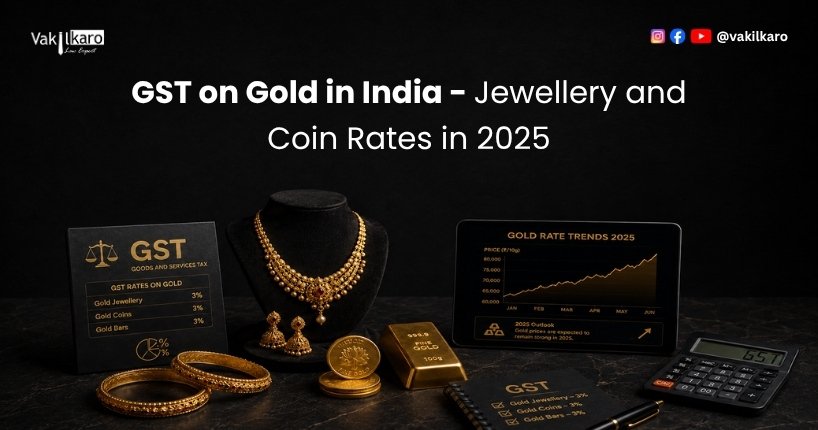
Understanding GST on Gold: Tax Rates, Impact, and Investment Considerations
GST on gold in India is set at 3% on its value and 5% on making charges, standardizing taxation and ensuring transparency. Imported gold incurs a 12.5% customs duty plus 3% IGST. For example, if gold costs ₹50,000 and making charges are ₹5,000, GST amounts to ₹1,750. Digital gold is taxed at 3% without making charges. The industry demands a GST reduction for better affordability. Buyers should consider factors like purity, certification, and price trends. Businesses can claim an input tax credit (ITC). Understanding GST on gold helps in making informed investment decisions and ensuring compliance.
Key Takeaways
- Understanding GST on Gold: Tax Rates, Impact, and Investment Considerations GST on gold in India is set at 3% on its value and 5% on making charges, standardizing taxation and ensuring transparency.
- Understanding GST on Gold: Tax Rates, Impact, and Investment Considerations The Goods and Services Tax (GST) has brought uniformity to gold taxation in India, replacing previous indirect taxes like VAT and excise duty.
- Unlike jewellery purchases, digital gold transactions incur only a 3% GST on the purchase price, making it an attractive alternative for investors seeking a hassle-free and cost-effective way to accumulate gold assets.
- As of 2025, GST on gold is charged at a standardized rate of 3% on the value of gold, regardless of its purity or form, whether in bullion, coins, or jewellery.
- Under the GST system, gold purchases are subject to a 3% tax on their value, which applies uniformly across all states, eliminating previous discrepancies caused by varying VAT rates and excise duties.
Understanding GST on Gold: Tax Rates, Impact, and Investment Considerations
The Goods and Services Tax (GST) has brought uniformity to gold taxation in India, replacing previous indirect taxes like VAT and excise duty. Gold purchases now attract a 3% GST on the metal’s value, while an additional 5% GST applies to making charges. For imported gold, a 12.5% customs duty is levied along with a 3% Integrated GST (IGST), further influencing market prices. This structured taxation ensures greater transparency in gold transactions, benefiting both buyers and sellers.
Understanding GST Registration for GST calculations on gold purchases is essential. For example, if the gold value is ₹50,000 and making charges are ₹5,000, the GST on gold at 3% amounts to ₹1,500, while the 5% GST on making charges adds ₹250. This results in a total GST payable of ₹1,750, bringing the final price to ₹56,750. Such a taxation framework ensures standardization, reduces discrepancies, and minimizes tax evasion across the industry.
Digital gold has gained popularity as an alternative investment, and GST applies to these transactions as well. A 3% GST is levied on the transaction value without additional charges for making. For instance, purchasing digital gold worth ₹50,000 incurs ₹1,500 in GST, making the total cost ₹51,500. However, investors must be aware that selling digital gold may attract capital gains tax, which should be factored into their financial planning.
Jewellers and industry experts have been advocating for a reduction in GST rates to enhance affordability and market growth. A major request is to lower GST on gold from 3% to 1% and expand gold monetization schemes by encouraging reputed jewellers to participate. Many believe that reducing GST will increase demand, formalize more transactions, and significantly boost the industry’s overall market size.
Buyers should consider GST implications while purchasing gold, compare physical and digital gold options, check for BIS-hallmarked purity, and ensure invoice transparency. Businesses involved in gold transactions can also benefit by claiming an input tax credit (ITC) on GST paid for resale or business use, helping reduce costs.
GST on gold directly influences its overall pricing, affecting both consumers and businesses. Keeping up with GST rates, market trends, and taxation policies enables buyers to make informed decisions while ensuring compliance with tax regulations, ultimately optimizing their investments in gold.
Gold has long held a special place in Indian culture, serving both as a valuable investment and a cherished adornment. Its significance extends beyond aesthetics, as gold is often considered a symbol of wealth, financial security, and even auspiciousness in various traditions. With the implementation of the Goods and Services Tax (GST), the taxation system governing gold transactions has undergone a major transformation. Before GST, different states had varying tax structures, including VAT, excise duty, and local levies, leading to inconsistencies in gold pricing across the country. The introduction of GST has streamlined this process, creating a uniform taxation system that ensures greater transparency and ease of compliance for both buyers and sellers.
Understanding the GST implications on gold purchases is essential for consumers looking to invest in this precious metal. The tax is levied on the gold value itself, as well as on the making charges associated with jewellery craftsmanship. While gold purchases attract a 3% GST, an additional 5% GST is imposed on the making charges, which covers labor and design costs. This standardized structure not only simplifies transactions but also minimizes the scope for hidden charges or discrepancies in pricing.
Beyond physical gold, GST also applies to digital gold, a rising investment trend that allows individuals to buy gold in electronic form without the need for physical storage. Unlike jewellery purchases, digital gold transactions incur only a 3% GST on the purchase price, making it an attractive alternative for investors seeking a hassle-free and cost-effective way to accumulate gold assets. Given the evolving nature of gold investments, understanding GST regulations can help buyers make informed decisions, whether purchasing jewellery, bullion, or digital gold.
GST on Gold: An Overview
Before the introduction of the Goods and Services Tax (GST), gold transactions in India were subject to multiple indirect taxes, including Value Added Tax (VAT), excise duty, and state-specific levies. This fragmented tax system led to inconsistencies in gold pricing across different regions, creating confusion for buyers and making compliance more complicated for businesses. The lack of uniformity also encouraged tax evasion and unregulated transactions in the gold market.
With the implementation of GST, these various indirect taxes were consolidated into a single tax structure, bringing greater transparency and simplicity to gold transactions. As of 2025, GST on gold is charged at a standardized rate of 3% on the value of gold, regardless of its purity or form, whether in bullion, coins, or jewellery. Additionally, making charges, which cover the craftsmanship and labor involved in designing gold jewellery, attract a separate 5% GST. These charges vary depending on the complexity of the jewellery design and the jeweller’s pricing policies. By ensuring that both the gold value and making charges are taxed under a uniform system, GST has eliminated hidden costs and provided consumers with clearer price breakdowns.
This streamlined taxation system has significantly improved transparency in the gold industry. Consumers can now easily compare gold prices across different sellers without worrying about additional state-level taxes or unexpected surcharges. For jewellers, GST compliance has simplified business operations, making record-keeping more efficient and reducing tax-related complications. Overall, the introduction of GST has contributed to a more structured and accountable gold market, benefiting both buyers and businesses alike.
Breakdown of GST Rates on Gold
GST on Gold Value
Gold purchases, irrespective of purity levels (22K, 24K, or 18K), attract a 3% GST. This rate is applicable across all forms of gold, including jewellery, coins, and bars.
GST on Making Charges
Making charges, which cover labor and craftsmanship, are subject to a 5% GST. This ensures that every aspect of gold jewellery pricing is accounted for in taxation.
GST on Imported Gold
Imported gold carries an additional 12.5% customs duty, along with a 3% Integrated GST (IGST) on its assessable value. This increases the overall cost of gold acquired from international sources.
Example of GST Calculation on Gold Jewellery
Consider a scenario where a customer purchases gold jewellery with the following details:
- Gold Value: ₹50,000
- Making Charges: ₹5,000
- GST on Gold (3%): ₹50,000 × 3% = ₹1,500
- GST on Making Charges (5%): ₹5,000 × 5% = ₹250
- Total GST Payable: ₹1,750
- Final Price: ₹50,000 + ₹5,000 + ₹1,750 = ₹56,750
This calculation highlights the additional cost imposed by GST and helps buyers plan their purchases accordingly.
Current Gold Prices in India (March 2025)
As of March 17, 2025, the prevailing gold rates are:
- 24K Gold: ₹8,956 per gram
- 22K Gold: ₹8,210 per gram
- 18K Gold: ₹6,718 per gram These rates fluctuate based on market conditions, making it essential for investors to stay updated.
GST on Physical Gold vs Digital Gold
Physical Gold Purchases
All physical gold transactions, including jewellery, bars, and coins, are subject to 3% GST. If making charges are involved, an additional 5% GST is levied separately.
For example, purchasing gold worth ₹1,00,000 with ₹10,000 in making charges results in:
- GST on Gold (3%): ₹3,000
- GST on Making Charges (5%): ₹500
- Total Payable Amount: ₹1,13,500
Digital Gold Transactions
Digital gold has gained traction as a convenient investment option. A 3% GST is applied to the transaction value, without additional making charges. For instance, buying digital gold worth ₹50,000 incurs ₹1,500 in GST, bringing the total to ₹51,500. However, investors must consider capital gains tax when selling digital gold.
Impact of GST on Gold Prices
The introduction of GST has influenced gold pricing in multiple ways:
- Increased Costs: The 3% GST on gold and 5% GST on making charges slightly increase the overall purchase price.
- Greater Transparency: Standardized taxation reduces price discrepancies across regions.
- Simplified Compliance: A single tax system replaces multiple indirect taxes, making transactions easier for businesses.
Industry Demand for GST Reduction
The jewellery industry has appealed to the government to reconsider GST rates, advocating for:
- A reduction in GST on gold from 3% to 1%
- Expansion of the Gold Monetization Scheme to involve reputed jewellers
- Easier access to financial support for jewellery businesses A lower GST rate could enhance demand, encourage formal transactions, and boost market growth.
Input Tax Credit (ITC) for Gold Businesses
Gold businesses registered under GST can claim an Input Tax Credit (ITC) on GST paid for resale or business purposes. However, individual buyers cannot claim ITC on personal gold purchases.
Key Considerations When Buying Gold
- Understand GST Rates: Factor in 3% GST on gold value and 5% on making charges.
- Compare Physical vs Digital Gold: Digital gold avoids making charges but attracts capital gains tax.
- Check Purity and Certification: Always buy BIS-hallmarked gold for authenticity.
- Ensure Invoice Transparency: Obtain a detailed invoice showing GST breakdown.
- Monitor Market Prices: Purchase gold during price dips to maximize investment value.
- Claim ITC if Eligible: Businesses should leverage ITC benefits to reduce costs.
Conclusion
The introduction of the Goods and Services Tax (GST) has significantly reshaped the gold industry by replacing multiple indirect taxes with a standardized tax structure. This transformation has had a direct impact on both buyers and businesses, influencing gold pricing, taxation policies, and overall market transparency.
Under the GST system, gold purchases are subject to a 3% tax on their value, which applies uniformly across all states, eliminating previous discrepancies caused by varying VAT rates and excise duties. Additionally, a 5% GST is levied on making charges, which covers the craftsmanship and labor involved in creating gold jewellery. While this taxation structure has slightly increased the overall cost of purchasing gold, it has also made the pricing process more transparent, ensuring that buyers have a clear breakdown of their expenses. With all taxes being uniformly applied, consumers can better compare prices across different sellers without hidden costs or region-specific levies.
For businesses, GST has simplified tax compliance by consolidating multiple indirect taxes into one streamlined system. Jewellers now maintain proper documentation of gold transactions, making it easier to adhere to tax regulations and claim input tax credits where applicable. This structured approach has also helped reduce tax evasion and unregulated transactions, further strengthening the formal gold market.
Despite the increased cost, understanding GST policies can help buyers make informed and cost-effective decisions. Keeping track of current gold prices, investment strategies, and tax implications enables consumers to optimize their purchases, whether they are buying gold jewellery, bullion, or digital gold. Awareness of GST exemptions, discounts, and government schemes can also assist buyers in managing costs efficiently while ensuring compliance with legal taxation requirements. By staying updated on GST regulations, both investors and jewellery buyers can navigate the gold market more effectively and make smart financial choices.
Why Choose Vakilkaro for Legal and Business Services?
Vakilkaro stands out as a trusted legal and business solutions provider, offering a seamless experience for individuals, entrepreneurs, and businesses. With a team of experienced professionals, Vakilkaro simplifies complex legal processes, ensuring compliance and efficiency in various domains.
Expertise Across Multiple Services
Vakilkaro provides end-to-end assistance in multiple legal and financial services, including section 8 microfinance company registration GST registration and compliance, trademark registration tax advisory, intellectual property protection, and legal documentation. Whether you are starting a new business, managing regulatory compliance, or protecting your brand, Vakilkaro ensures a smooth and hassle-free process.
Personalized Guidance and Hassle-Free Process
Every business and legal requirement is unique, and Vakilkaro provides customized solutions tailored to your specific needs. The team offers expert consultation, making legal formalities easier to understand and execute without unnecessary delays.
Affordable and Transparent Pricing
Vakilkaro offers cost-effective services with clear pricing structures, ensuring there are no hidden charges. Clients receive value-driven services at competitive rates, making it an ideal choice for startups, SMEs, and individuals.
Reliable Support and Quick Turnaround
Vakilkaro prioritizes customer satisfaction by providing prompt responses and efficient service delivery. Whether it’s company incorporation GST Return filing or trademark registration, Vakilkaro ensures timely execution and compliance with legal regulations.
One-Stop Solution for Legal & Financial Needs
From business licenses to M&A advisory, labor law compliance, loan assistance, and dispute resolution, Vakilkaro covers a wide range of legal and financial services under one roof. This integrated approach saves time and effort for clients, ensuring they receive all necessary support from a single trusted source.
Choosing Vakilkaro means opting for expertise, reliability, and efficiency in legal and business services. With a customer-centric approach and a commitment to excellence, Vakilkaro ensures that businesses and individuals meet their legal obligations with ease and confidence.
Official External Resources
Use these primary/official sources to verify rules, forms, fees, timelines and regulatory updates before publication.
Frequently asked questions
GST on Gold in India - Jewellery and Coin Rates in 2025+
Understanding GST on Gold: Tax Rates, Impact, and Investment Considerations GST on gold in India is set at 3% on its value and 5% on making charges, standardizing taxation and ensuring transparency. Understanding GST on Gold: Tax Rates, Impact, and Investment Considerations The Goods and Services Tax (GST) has brought uniformity to gold taxation in India, replacing previous indirect taxes like VAT and excise duty.
