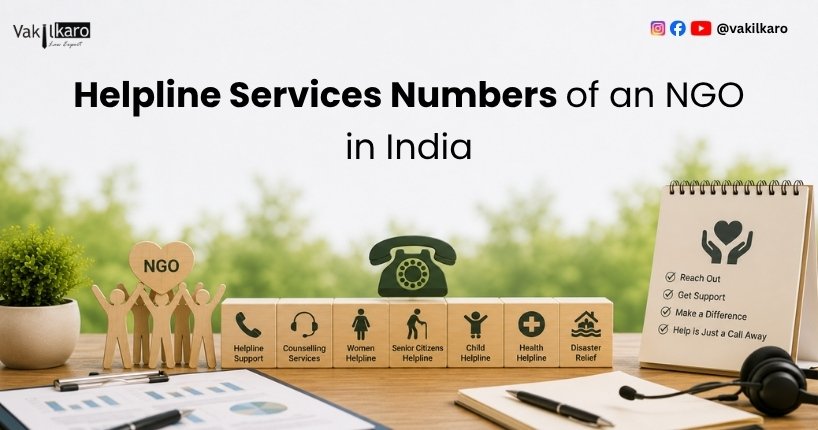
NGOs in India play a crucial role in addressing social issues through helpline services, assisting in education, healthcare, legal aid, child protection, and disaster relief. Setting up an NGO involves registering as a Trust, Society, or Section 8 Company, obtaining 12A and 80G registration, and securing CSR funding. CSR funds help NGOs sustain helpline services by covering infrastructure, operational costs, training, and outreach. Compliance with government regulations ensures transparency. By leveraging CSR funding and proper registration, NGOs can effectively provide helpline support, making a significant social impact and aiding vulnerable communities across India.
Key Takeaways
- Establishing NGO Helpline Services in India: Process, Funding, and Impact NGOs in India serve as essential support systems for addressing social issues, offering helpline services in areas like education, healthcare, legal aid, child protection, and disaster relief.
- With the right framework, how to set up an NGO in India becomes a structured process, allowing organizations to provide critical assistance through helpline services.
- This blog delves into the importance of NGO helpline services, the process of establishing them, and how CSR funds can sustain and expand these crucial initiatives for the greater good of society.
- By adhering to NGO registration procedures, securing 12A and 80G registration, seeking CSR funding, and following strict data protection laws, NGOs can establish and operate successful helpline services that provide immediate assistance to those in need.
- While the journey may seem complex, organizations that follow the right steps—NGO registration, obtaining 12A and 80G certification, and securing CSR funding—can create sustainable helpline services that make a meaningful difference in society.
Establishing NGO Helpline Services in India: Process, Funding, and Impact
NGOs in India serve as essential support systems for addressing social issues, offering helpline services in areas like education, healthcare, legal aid, child protection, and disaster relief. Setting up an NGO requires selecting an appropriate structure, such as a Trust, Society, or Section 8 Company, followed by obtaining 12A and 80G registration to avail tax exemptions and attract donations. Securing CSR funding is crucial, as it helps cover operational expenses, infrastructure, training, and outreach programs. CSR fund (Corporate Social Responsibility Fund) is a mandated contribution from companies under the Companies Act, 2013, ensuring financial support for social initiatives.
NGOs can leverage these funds to establish call centers, hire professionals, and implement awareness campaigns to increase the reach of their helpline services. To obtain CSR funding, NGOs must prepare detailed project proposals, identify corporations aligned with their objectives, and comply with legal reporting requirements. Additionally, NGOs must adhere to government regulations regarding data protection and operational transparency. Legal compliance, including proper NGO registration and financial accountability, enhances credibility and fosters long-term sustainability.
With the right framework, how to set up an NGO in India becomes a structured process, allowing organizations to provide critical assistance through helpline services. For those wondering how to make an NGO in India, the journey involves legal formalities, funding acquisition, and operational planning, but the impact on society is invaluable. Whether assisting domestic violence victims, offering free legal aid, or supporting mental health, NGOs play a crucial role in community welfare. By securing the necessary registrations, obtaining CSR fund, and establishing effective helpline services, NGOs can create a sustainable model for social impact, ensuring continuous support for those in need and contributing significantly to India’s social development.
Non-Governmental Organizations (NGOs) play a pivotal role in driving social change, addressing various societal challenges, and providing humanitarian aid to marginalized and underprivileged communities. These organizations work across multiple sectors, including poverty alleviation, education, healthcare, environmental conservation, human rights, and women’s empowerment. In India, where millions face socio-economic hardships, NGOs bridge the gap between government initiatives and the needs of the people, ensuring that crucial resources and support reach those who need them the most.
One of the most impactful services provided by NGOs is their helpline assistance, which acts as an immediate support system for individuals in distress. These helplines are dedicated to specific causes such as education, healthcare, legal aid, child protection, women’s safety, and disaster relief. For instance, child helplines provide intervention and rehabilitation support for abandoned, abused, or exploited children, while legal aid helplines offer free guidance to individuals who cannot afford legal representation. Women’s safety helplines assist victims of domestic violence and abuse, ensuring they receive counseling, legal support, and protection. Similarly, medical helplines connect patients with healthcare facilities, while mental health helplines provide psychological counseling and suicide prevention support.
Setting up and operating such helplines requires significant funding, infrastructure, and trained personnel. This is where Corporate Social Responsibility (CSR) funding plays a crucial role. The Companies Act, 2013, mandates that corporations allocate a portion of their profits toward social initiatives, which allows NGOs to secure financial support for running their helpline services. Through CSR funding, NGOs can establish call centers, train staff, enhance technology, and launch awareness campaigns to extend their reach. This blog delves into the importance of NGO helpline services, the process of establishing them, and how CSR funds can sustain and expand these crucial initiatives for the greater good of society.
Importance of NGO Helpline Services in India
NGOs in India play a vital role in providing immediate assistance and guidance to individuals facing various social, legal, and medical challenges. One of the most effective ways they extend their support is through helpline services, which act as a direct channel for those in distress to seek help. These helplines address a range of critical concerns, offering timely intervention and connecting individuals with necessary resources and services. By providing round-the-clock support, helplines enable NGOs to assist vulnerable groups, ensuring that no one is left without help during crises. Below are some key types of NGO helpline services and their significance:
- Women’s Safety Helpline: Gender-based violence remains a pressing issue in India, with many women facing domestic abuse, harassment, and exploitation. Women’s safety helplines provide a confidential platform for victims to report abuse, seek legal assistance, and receive counseling. These helplines often work in collaboration with law enforcement agencies, legal experts, and shelters to ensure immediate protection and long-term rehabilitation for survivors.
- Child Helpline: Millions of children in India are at risk due to abandonment, abuse, forced labor, and trafficking. Child helplines offer a safe and anonymous way for children or concerned individuals to report cases of abuse, neglect, or exploitation. These services work with child protection agencies, social workers, and law enforcement to rescue and rehabilitate affected children, ensuring their safety and well-being.
- Health and Medical Helpline: Access to healthcare remains a challenge, especially for rural and economically disadvantaged populations. Medical helplines provide information on hospitals, ambulance services, emergency treatment, and financial aid for medical expenses. Additionally, they offer teleconsultations and connect patients with doctors, mental health professionals, and support groups, making healthcare more accessible to those in need.
- Legal Aid Helpline: Many individuals, particularly from marginalized communities, are unaware of their legal rights or cannot afford legal representation. Legal aid helplines provide free legal guidance, helping people navigate issues related to property disputes, employment rights, family law, domestic violence, and other legal matters. NGOs running these helplines often collaborate with lawyers and legal experts to offer case-specific assistance, ensuring justice for the underprivileged.
- Mental Health Helpline: Mental health issues, including depression, anxiety, and suicidal tendencies, are often stigmatized in India, preventing many from seeking professional help. Mental health helplines provide a crucial support system by offering psychological counseling, suicide prevention assistance, and emotional support through trained professionals. These helplines create a safe space for individuals to express their concerns without fear of judgment, making mental healthcare more accessible and breaking the stigma surrounding psychological issues.
The significance of NGO-run helplines cannot be overstated. These services not only offer immediate relief but also work towards long-term solutions by connecting individuals with rehabilitation programs, legal aid, medical care, and social welfare services. With proper funding and awareness, NGO helplines can continue to make a significant impact, saving lives and empowering vulnerable communities across India.
How to Set Up an NGO in India
Setting up an NGO in India is a structured process that requires legal compliance, funding strategies, and an operational framework. Many individuals and organizations aspire to establish an NGO to provide helpline services for various social causes such as women’s safety, child protection, healthcare, legal aid, and mental health support. Below are the essential steps involved in setting up an NGO in India:
Choose the Type of NGO
Before registering an NGO, it is crucial to determine the most suitable legal structure. NGOs in India can be registered under three primary categories:
- Trust: A Trust is formed under the Indian Trusts Act, 1882, and is ideal for charitable and social welfare activities. It is managed by trustees who oversee its functioning and financial matters.
- Society: Societies are registered under the Societies Registration Act, 1860, and are typically used for non-profit activities related to education, arts, and public welfare. A society requires at least seven founding members.
- Section 8 Company: This is the most preferred structure for NGOs involved in large-scale social service projects. Section 8 Companies are registered under the Companies Act, 2013, and enjoy benefits such as limited liability and credibility in receiving corporate donations and CSR funding.
Register the NGO
Once the appropriate NGO type is selected, the next step is registration. The registration process depends on the chosen structure:
- Trust Registration: Requires a Trust Deed and is registered with the Sub-Registrar of Trusts.
- Society Registration: Requires a Memorandum of Association (MOA) and by-laws, and is registered with the Registrar of Societies.
- Section 8 Company Registration: Requires submission of incorporation documents to the Ministry of Corporate Affairs (MCA), including the MOA and Articles of Association (AOA).
Obtain 12A and 80G Registration
To ensure financial sustainability, NGOs must obtain 12A and 80G registration from the Income Tax Department:
- 12A Registration: Provides tax exemption on the NGO’s income, allowing it to operate without paying income tax.
- 80G Registration: Encourages donations by allowing donors to claim tax deductions, making it easier for NGOs to attract funding from individuals and corporations.
Apply for CSR Funding
Corporate Social Responsibility (CSR) funds are a significant source of financial support for NGOs. Under Section 135 of the Companies Act, 2013, companies with a specified turnover must allocate a portion of their profits to social initiatives. NGOs can apply for CSR funding by:
- Partnering with companies that align with their mission.
- Preparing detailed project proposals outlining the utilization of CSR funds.
- Demonstrating transparency in financial management and impact assessment.
CSR funding can help NGOs establish helpline services by covering operational costs, technology infrastructure, staff salaries, and outreach programs.
Launch Helpline Services
Once the NGO is legally registered and has secured funding, the next step is to set up the helpline infrastructure:
- Establish a dedicated helpline center with trained staff and professional counselors.
- Set up toll-free numbers and ensure 24/7 availability for emergency support.
- Collaborate with government agencies, law enforcement, and healthcare providers for a comprehensive support system.
- Promote the helpline through social media, public campaigns, and awareness programs to reach a larger audience.
Funding an NGO Helpline through CSR Fund
Funding an NGO helpline through Corporate Social Responsibility (CSR) funds is essential for ensuring the sustainability and effectiveness of social support services. CSR funding is a legally mandated contribution that businesses in India must allocate to social initiatives under Section 135 of the Companies Act, 2013. Companies meeting specific financial criteria, such as having a net worth of ₹500 crore or more, an annual turnover of ₹1,000 crore or more, or a net profit of ₹5 crore or more, are required to spend at least 2% of their average net profits from the last three financial years on CSR activities. These funds can be directed toward NGOs registered as Section 8 Companies, Trusts, or Societies, particularly those engaged in social welfare projects, including helpline services. CSR funds play a crucial role in establishing and maintaining NGO helplines by covering essential expenses such as infrastructure, staffing, operations, and outreach. Financial support from corporate donors helps NGOs set up call centers with toll-free numbers, equip them with necessary technology, and ensure reliable communication systems. It also enables the hiring and training of professionals, including counselors, legal advisors, and healthcare experts, who are vital for handling distress calls and providing immediate assistance. Additionally, CSR funding supports the operational costs of running a 24/7 helpline, ensuring accessibility to those in need. NGOs can also utilize these funds to improve technology, develop AI-driven chatbots for digital assistance, and strengthen data protection measures. Moreover, CSR funds contribute to awareness campaigns through media, community outreach programs, and promotional materials that increase public knowledge about the availability of helpline services. To secure CSR funding, NGOs must be legally registered, obtain 12A and 80G registration for tax exemption benefits, and approach corporations whose CSR objectives align with their mission. A well-drafted proposal detailing the social impact, funding requirements, and sustainability plan is essential for gaining corporate support. Maintaining transparency in fund utilization and regularly reporting progress ensures long-term partnerships with businesses. Through strategic use of CSR funds, NGOs can expand their helpline services, providing critical assistance in areas such as women’s safety, healthcare, child protection, mental health, and legal aid. By effectively leveraging CSR contributions, NGOs can enhance their reach, offer reliable support to vulnerable communities, and create a lasting social impact.
How CSR Funds Help NGOs
Corporate Social Responsibility (CSR) funds play a crucial role in supporting NGOs by providing the financial resources needed to establish and sustain helpline services. These funds enable NGOs to develop infrastructure, manage operational expenses, invest in technology and training, and conduct outreach initiatives. Infrastructure development is a fundamental aspect of NGO helplines, as it involves setting up call centers with toll-free numbers, equipping offices with computers, telecommunication systems, and data management software, and ensuring a secure and efficient working environment. CSR funds also help recruit and support staff, including trained professionals such as counselors, legal advisors, healthcare experts, and social workers, who play a vital role in handling helpline inquiries and providing immediate assistance to those in need.
Operational costs are another significant expenditure covered by CSR funds. Running a helpline service requires continuous financial support for salaries, rent, electricity, and other administrative expenses. Since many NGO helplines operate 24/7, they require dedicated staff to ensure round-the-clock assistance. Without consistent funding, it would be challenging to sustain these critical services. CSR contributions also enable NGOs to invest in modern technology and training programs to improve efficiency. Advanced tools such as AI-driven chatbots, automated call routing, and digital case management systems help streamline helpline operations, ensuring faster response times and better service delivery. Moreover, staff training programs funded through CSR help helpline operators enhance their communication skills, crisis intervention techniques, and knowledge of legal and psychological support, making them more effective in assisting callers.
Beyond infrastructure and operations, CSR funds are instrumental in outreach and awareness campaigns. Many people remain unaware of helpline services available to them, and CSR-funded initiatives help bridge this gap through television advertisements, social media campaigns, community programs, and printed educational materials. Public awareness efforts ensure that more individuals in distress, such as victims of domestic violence, children in need of protection, or individuals facing mental health challenges, can access help when required. By funding promotional activities, corporations contribute to the visibility and accessibility of NGO helplines, expanding their reach and impact.
CSR fund full form is Corporate Social Responsibility Fund, and it represents a corporate commitment to social causes. Many businesses partner with NGOs to fulfill their CSR obligations, recognizing that supporting NGOs aligns with their ethical and legal responsibilities. These partnerships allow NGOs to sustain and expand their helpline services, ensuring long-term impact in addressing social issues such as women’s safety, healthcare, legal aid, child protection, and mental health support. By leveraging CSR funding, NGOs can create a more structured and effective helpline system, ultimately leading to a more positive and meaningful impact on society.
Steps to Get CSR Fund for NGO Helpline
- Register the NGO under Section 8 Company Registration – This enhances credibility for CSR funding.
- Obtain 12A and 80G Registration – This makes donations tax-exempt and more attractive to corporate donors.
- Identify Suitable Corporations – Approach businesses aligned with your NGO’s objectives.
- Prepare a Proposal – Clearly outline how the CSR fund will be utilized for the helpline.
- Comply with Reporting Requirements – Maintain transparency in fund usage.
Role of Government and Legal Compliance in Operating an NGO Helpline
For an NGO helpline to function effectively in India, adhering to government regulations and legal compliance is crucial. The Indian government has established various laws and guidelines to ensure that NGOs operate transparently and efficiently while serving the public. NGOs must follow a structured registration process, secure necessary certifications for financial benefits, collaborate with corporations for funding, and comply with data protection regulations to maintain the confidentiality of those seeking help.
The first step in legal compliance is NGO registration, which is mandatory for any organization looking to operate legally in India. NGOs can be registered under three primary frameworks: Trust Registration under the Indian Trusts Act, 1882, Society Registration under the Societies Registration Act, 1860, or Section 8 Company Registration under the Companies Act, 2013. Among these, Section 8 Company Registration is often preferred for NGOs seeking Corporate Social Responsibility (CSR) funding, as it provides credibility and legal recognition to the organization. Proper registration ensures that the NGO is recognized by law and can enter into contracts, receive donations, and carry out its activities without legal hurdles.
To encourage donations and financial stability, NGOs must obtain 12A and 80G registration from the Income Tax Department. 12A registration grants NGOs complete exemption from income tax, ensuring that all funds received are used exclusively for charitable purposes. 80G registration benefits donors, as it allows them to claim tax deductions on their contributions, making the NGO more attractive to potential corporate and individual donors. Without these registrations, fundraising efforts become challenging, and the NGO may face financial constraints.
Funding is a major aspect of running an NGO helpline, and one of the most effective ways to sustain operations is through CSR fund partnerships. Under Section 135 of the Companies Act, 2013, companies meeting a specific turnover threshold are legally required to allocate a portion of their profits to social initiatives, including NGO projects. By securing CSR funding, NGOs can cover operational costs, develop infrastructure, hire trained professionals, and promote awareness campaigns for their helpline services. However, to qualify for CSR grants, NGOs must comply with strict legal and financial reporting standards set by the government and corporate donors.
Another critical legal aspect of running an NGO helpline is data protection and confidentiality. Many helplines deal with sensitive issues such as domestic violence, child abuse, mental health crises, and legal disputes. Ensuring the privacy and security of callers is a legal and ethical obligation. NGOs must comply with India’s data protection laws, including the Information Technology (IT) Act, 2000, which mandates strict data security protocols. Maintaining confidentiality not only builds trust among beneficiaries but also prevents potential legal liabilities. NGOs must establish policies for handling personal data, implement secure communication channels, and train staff on ethical and legal considerations related to data protection.
In addition to these core legal requirements, NGOs must regularly submit financial reports, audit statements, and impact assessments to government authorities to ensure transparency and accountability. If the NGO receives foreign donations, it must register under the Foreign Contribution Regulation Act (FCRA) to legally accept international funding. Failure to comply with these regulations can lead to legal action, loss of funding, and even the shutdown of operations.
By adhering to NGO registration procedures, securing 12A and 80G registration, seeking CSR funding, and following strict data protection laws, NGOs can establish and operate successful helpline services that provide immediate assistance to those in need. Ensuring compliance with government regulations not only enhances credibility but also helps NGOs build long-term partnerships with corporations, donors, and stakeholders, ultimately strengthening their impact on society.
Conclusion
NGO helpline services in India play a crucial role in addressing the needs of vulnerable communities by providing immediate support and guidance in areas such as women’s safety, child protection, healthcare, mental health, and legal aid. These helplines serve as lifelines for individuals facing crises, ensuring they receive timely assistance and intervention. However, for an NGO to establish and sustain a helpline successfully, it is essential to understand the process of setting up an NGO in India and to explore financial resources such as Corporate Social Responsibility (CSR) funding.
Many individuals and organizations often ask, "How can I start an NGO in India?" The process may seem challenging, but with a structured approach and adherence to legal frameworks, setting up a successful NGO helpline is entirely feasible. The first and most important step is to complete the NGO registration process, which includes choosing the right legal structure—whether a Trust, Society, or Section 8 Company. Among these, Section 8 Company Registration under the Companies Act, 2013 is highly recommended, as it enhances the NGO’s credibility and makes it eligible for CSR funding from corporate entities.
In addition to registration, securing 12A and 80G registration is essential. These certifications from the Income Tax Department provide tax exemptions to the NGO and enable donors to claim deductions on their contributions, thereby attracting more funding. Without these registrations, an NGO may face difficulties in raising financial support and sustaining its operations.
To ensure long-term sustainability, NGOs must explore CSR funding, which is a legally mandated contribution by companies under Section 135 of the Companies Act, 2013. Businesses that meet certain financial criteria must allocate a percentage of their profits towards social initiatives, making them valuable partners for NGOs. By securing CSR funds, NGOs can develop infrastructure, cover operational costs, train staff, invest in technology, and run outreach programs to expand the reach and effectiveness of their helpline services. However, to receive CSR funding, NGOs must demonstrate transparency, accountability, and a clear impact-driven approach, which involves submitting financial reports and progress assessments to donors and regulatory authorities.
Furthermore, NGOs must ensure compliance with data protection regulations while running helpline services. Many helplines deal with sensitive issues such as domestic violence, child abuse, and mental health crises, making it critical to protect the privacy of callers. Following India’s data protection laws, implementing secure communication channels, and training staff on confidentiality protocols are key to building trust and credibility.
Ultimately, establishing and maintaining an NGO helpline requires a combination of legal compliance, financial planning, corporate partnerships, and operational efficiency. While the journey may seem complex, organizations that follow the right steps—NGO registration, obtaining 12A and 80G certification, and securing CSR funding—can create sustainable helpline services that make a meaningful difference in society. Whether through direct community assistance, legal aid, or emergency response, well-structured helpline services empower NGOs to extend their reach and positively impact countless lives across India.
Why Choose Vakilkaro for NGO Registration and Legal Services?
Vakilkaro is a trusted legal service provider that specializes in assisting individuals and organizations with NGO registration, compliance, and legal advisory services. Whether you are looking to set up an NGO in India, register under Section 8 Company, obtain 12A and 80G registration, or secure CSR funding, Vakilkaro ensures a seamless process with expert guidance at every step.
One of the key reasons to choose Vakilkaro is its comprehensive support system. The process of NGO registration in India can be complex, requiring adherence to multiple laws and regulatory frameworks. Vakilkaro simplifies this by offering end-to-end assistance, from selecting the appropriate NGO structure (Trust, Society, or Section 8 Company) to preparing legal documentation, filing applications, and ensuring compliance with government regulations.
Vakilkaro also helps NGOs secure 12A and 80G registration, which are crucial for tax exemptions and attracting donations. Without these certifications, an NGO may struggle to raise funds, making them essential for financial sustainability. Additionally, Vakilkaro provides expert advice on how to obtain CSR funds, guiding NGOs in preparing proposals, connecting with corporations, and complying with reporting requirements to maintain transparency.
Beyond NGO services, Vakilkaro offers a wide range of legal and financial services, including section 8 company registration, trademark registration GST compliance legal documentation, tax advisory, and intellectual property protection. Their team of experienced professionals ensures that all legal formalities are handled efficiently, allowing businesses and NGOs to focus on their core objectives.
With affordable pricing, personalized support, and a commitment to accuracy and efficiency, Vakilkaro is the ideal partner for individuals and organizations looking for reliable legal services in India. Whether you are setting up an NGO, seeking tax benefits, or navigating corporate legalities, Vakilkaro provides expert solutions tailored to your needs.
Official External Resources
Use these primary/official sources to verify rules, forms, fees, timelines and regulatory updates before publication.
Frequently asked questions
Helpline Services Numbers of an NGO in India+
Establishing NGO Helpline Services in India: Process, Funding, and Impact NGOs in India serve as essential support systems for addressing social issues, offering helpline services in areas like education, healthcare, legal aid, child protection, and disaster relief. This blog delves into the importance of NGO helpline services, the process of establishing them, and how CSR funds can sustain and expand these crucial initiatives for the greater good of society.
