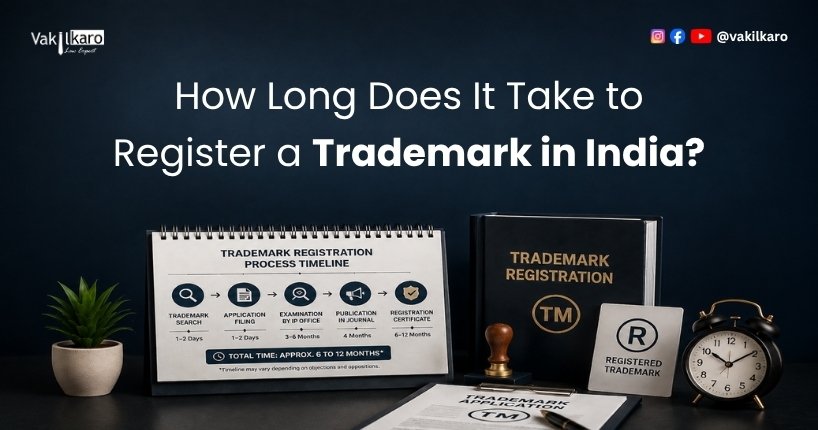
Registering a trademark in India is essential for brand protection, but the process involves multiple steps that can take anywhere from 12 to 36 months. It starts with a trademark search (1-2 days), followed by filing a trademark application (1 day). The Trademark Office examines the application within 6-12 months, and if there are no issues, it is published in the Trademark Journal for 4 months. If a trademark opposition or trademark objection arises, resolving them can add 6-24 months. To speed up the process, ensure accurate filings, respond promptly to objections, and seek professional assistance if needed.
Key Takeaways
- Trademark Registration Timeline in India: How Long Does It Take?
- Trademark registration in India is a crucial step in safeguarding brand identity, but the process involves multiple stages and can take anywhere from 12 to 36 months.
- In India, the process to register a trademark involves several stages, including conducting a trademark search, filing an application, examination by the Trademark Office publication in the Trademark Journal, and the issuance of the Trademark Registration Certificate.
- Understanding the Trademark Registration Process Before understanding how long it takes to register a trademark, it is essential to go through the different stages involved in the process.
- Factors That Can Delay Trademark Registration Several factors can affect the time it takes to register a trademark: Trademark Objection: If the examiner raises an objection, responding promptly helps avoid unnecessary delays.
Trademark Registration Timeline in India: How Long Does It Take?
Trademark registration in India is a crucial step in safeguarding brand identity, but the process involves multiple stages and can take anywhere from 12 to 36 months. Understanding the timeline helps businesses plan effectively and avoid unnecessary delays.
Step 1: Conducting a Trademark Search (1-2 Days)
Before filing a trademark application, conducting a thorough search is essential to check if a similar or identical mark already exists. This step typically takes 1-2 days and helps in avoiding future objections or oppositions.
Step 2: Filing the Trademark Application (1 Day)
Once the search confirms availability, the next step is to file a trademark application. This process involves submitting details like the applicant’s name, trademark logo, and product description. After filing, the applicant can start using the TM symbol immediately.
Step 3: Examination by the Trademark Office (6-12 Months)
After submission, the Trademark Office examines the application to check compliance with legal requirements. If no issues are found, the application moves forward. However, if concerns arise, a trademark objection is issued, requiring a response within 30 days.
Step 4: Trademark Publication & Opposition (3-24 Months)
If approved, the trademark is published in the Trademark Journal for 4 months. During this period, third parties can file a trademark opposition, which may extend the registration timeline by 6-24 months if legal proceedings occur.
Step 5: Issuance of Trademark Registration Certificate (1-2 Months)
If no opposition arises or is successfully resolved, the Registrar issues the Trademark Registration Certificate granting the right to use the ® symbol.
To speed up registration, ensure error-free filings, respond promptly to objections, and seek expert assistance if necessary.
Trademark registration plays a vital role in protecting the unique identity of businesses and individuals by securing exclusive rights to their brand name, logo, or symbol. In today’s competitive market, having a registered trademark ensures that no other entity can use a similar mark, preventing brand misuse and legal disputes.
In India, the process to register a trademark involves several stages, including conducting a trademark search, filing an application, examination by the Trademark Office publication in the Trademark Journal, and the issuance of the Trademark Registration Certificate. Each of these steps requires time, and the overall duration can vary due to factors like trademark objections, oppositions, or delays in government processing.
If you wish to apply for a trademark, it is crucial to understand these stages and their timelines. Once an application is filed, it undergoes scrutiny by the Registrar to check for uniqueness and compliance with legal provisions. In some cases, a trademark objection may be raised due to similarities with existing trademarks or discrepancies in the application. Timely responses to such objections help avoid delays.
Additionally, after the trademark is published in the Trademark Journal, third parties have the right to file a trademark opposition if they believe the mark conflicts with their rights. Resolving these oppositions through legal means can further impact the overall registration time.
By understanding the entire process, businesses can strategically plan their brand protection approach, ensuring their intellectual property remains safeguarded. Whether you need to file a trademark, address objections, or handle trademark assignment, being aware of the expected timeline helps in making informed decisions. Seeking professional assistance can also streamline the process, reducing delays and ensuring a smooth trademark registration experience.
Understanding the Trademark Registration Process
Before understanding how long it takes to register a trademark, it is essential to go through the different stages involved in the process. Each step plays a significant role in determining the overall registration timeline. Here’s a detailed breakdown of the key steps:
Trademark Search
The first and most crucial step before you file a trademark application is conducting a comprehensive trademark search. This helps determine whether a similar or identical trademark already exists in the Indian Trademark Registry. A well-executed search minimizes the risk of objections or oppositions later in the process. This can be done manually through the official website or with the help of a trademark attorney.
Filing the Trademark Application
Once the trademark search confirms availability, the next step is to officially apply for a trademark by submitting Form TM-A. The application should include details such as the applicant’s name, address, a clear representation of the mark, and a description of the goods or services it represents. This application can be filed online or offline, and upon successful submission, the applicant receives an acknowledgment, allowing them to use the TM symbol with their brand name.
Examination by the Trademark Office
After submission, the application undergoes scrutiny by an examiner at the Trademark Office. This examination ensures that the trademark complies with the Trademark Act, 1999 and does not conflict with existing registered marks. If the examiner finds any issue, a trademark objection is raised, requiring a response from the applicant within 30 days. If the response is satisfactory, the application moves to the next stage.
Publication in the Trademark Journal
Once the trademark clears the examination stage, it is published in the Trademark Journal for public viewing. This step is necessary to allow third parties an opportunity to raise a trademark opposition if they believe the mark conflicts with their own. The trademark remains in the journal for a period of four months. If no opposition is raised, the application proceeds toward final registration.
Opposition Period
During the publication phase, any individual or business with objections to the trademark can file a trademark opposition. The applicant is given an opportunity to respond and defend their trademark. If the opposition is successfully resolved, or if no opposition is filed within four months, the application advances to the final stage.
Issuance of Trademark Registration Certificate
If the trademark application passes all previous stages without opposition, or after successful resolution of objections, the Trademark Registration Certificate is issued. Once granted, the trademark owner receives exclusive rights to use the ® symbol, signifying that the mark is legally protected.
Trademark Renewal (After 10 Years)
A registered trademark remains valid for 10 years from the date of registration. To maintain exclusive rights, trademark owners must renew their trademark before its expiry. The renewal process can be initiated six months before the expiration date, ensuring continued brand protection.
Each of these steps takes a specific amount of time, and together they determine how long the entire process of trademark registration in India takes. Delays may occur due to objections, oppositions, or procedural backlogs, making it crucial to approach trademark registration with proper planning and professional assistance.
Step-by-Step Breakdown of Trademark Registration Timeline
Conducting a Trademark Search
Before proceeding with the application, conducting a thorough trademark search is highly recommended. This step helps identify existing trademarks that may be similar or identical to the one you intend to register. A proper search minimizes the risk of trademark objection or trademark opposition, which can significantly delay the process.
Trademark searches can be done using the official Indian Trademark Registry database, which provides information on already registered trademarks and pending applications. Alternatively, businesses can seek assistance from a trademark attorney for a more in-depth search. A successful search ensures that your proposed trademark has a higher chance of approval.
Filing the Trademark Application
Once the search confirms that the trademark is available, the next step is to file a trademark application with the Indian Trademark Registry. The application is submitted using Form TM-A, which requires details such as:
- Applicant’s Name and Address – Whether an individual, business, or legal entity is applying.
- Trademark Representation – A clear image or description of the mark.
- Goods or Services Classification – The category under which the trademark will be registered.
- Power of Attorney – Required if a trademark agent is filing the application on behalf of the applicant.
The application can be filed online through the official website or physically at the designated Trademark Registrar’s office. Once submitted, the applicant receives an acknowledgment, which allows them to start using the TM (Trademark) symbol immediately.
Examination by the Trademark Office
After the application is filed, it is assigned to an examiner who reviews it for compliance with the Trademark Act, 1999. The examiner checks for:
- Uniqueness of the Trademark – Ensuring it does not conflict with existing marks.
- Legal Compliance – Verifying that the application adheres to the relevant laws and regulations.
If the application meets all requirements, it proceeds to the next stage. However, if the examiner identifies any issues, they may raise a trademark objection through an official examination report. The applicant must respond to this objection within 30 days by providing valid explanations, evidence, or modifications. A strong response can ensure that the trademark moves forward in the registration process.
Publication in the Trademark Journal
If the application successfully passes the examination stage, it is published in the Trademark Journal for public review. This publication serves as a public notice, allowing third parties to raise any objections if they believe the trademark conflicts with their own registered mark.
The trademark remains in the journal for four months during which interested parties can file a trademark opposition. If no opposition is raised within this period, the application progresses to the next step.
Opposition Period and Resolution
During the opposition period, any third party can legally challenge the trademark application by filing a trademark opposition. Common reasons for opposition include:
- The trademark is too similar to an existing one.
- It is misleading or descriptive in nature.
- It violates legal or ethical standards.
If an opposition is filed, the applicant must respond within two months by submitting a counterstatement. The case may proceed to hearings, where both parties present their arguments. Depending on the complexity of the dispute, resolving an opposition may take several months to years. If the applicant successfully defends the trademark, the application moves toward final registration.
Issuance of the Trademark Registration Certificate
Once all objections and oppositions (if any) are resolved, the Trademark Registrar officially registers the trademark and issues the Trademark Registration Certificate. This certificate grants the applicant exclusive rights to use the ® (Registered) symbol, signifying that the trademark is legally protected.
From this point onward, the trademark owner has full ownership rights, preventing others from using a similar mark for similar goods or services.
Trademark Renewal (After 10 Years)
A registered trademark in India is valid for 10 years from the date of registration. To ensure continued protection, the owner must renew the trademark before its expiry.
The renewal process can be initiated six months before the expiration date. If the trademark is not renewed on time, it may be removed from the registry, requiring a lengthy restoration process to regain legal protection.
How to Ensure a Smooth and Efficient Trademark Registration?
To avoid unnecessary delays, businesses and individuals should take a strategic approach:
- Conduct a Proper Trademark Search: Identifying existing trademarks in advance reduces the risk of objections and oppositions.
- File a Well-Prepared Application: Ensuring that all details are correct and complete can prevent rejection or re-filing.
- Respond Promptly to Objections and Oppositions: Timely and well-drafted replies to objections or opposition claims help move the application forward.
- Seek Expert Assistance: Consulting trademark attorneys or professionals can streamline the process and help navigate legal complexities.
Total Time Required to Register a Trademark in India
Thus, registering a trademark in India typically takes 12-24 months if there are no objections or oppositions. If there are legal hurdles, the process can extend to 36 months or more.
Factors That Can Delay Trademark Registration
Several factors can affect the time it takes to register a trademark:
- Trademark Objection: If the examiner raises an objection, responding promptly helps avoid unnecessary delays.
- Trademark Opposition: If a third party opposes your application, it can extend the timeline significantly.
- Incorrect or Incomplete Application: Errors in the application can lead to rejections or requests for clarification.
- Backlog at the Trademark Office: Government processing delays can affect the timeline, though digitization has improved speed.
Trademark Assignment and Its Impact on Registration Timeline
If ownership of a trademark changes due to a business sale or partnership changes, a trademark assignment must be filed. This process can take 3-6 months and requires additional approvals.
Conclusion: How to Speed Up the Trademark Registration Process?
If you want to register a trademark quickly, follow these best practices:
- Conduct a thorough trademark search to avoid objections.
- File a trademark application correctly with all necessary documents.
- Respond promptly to objections to prevent unnecessary delays.
- Monitor the Trademark Journal to handle oppositions proactively.
- Hire a trademark attorney to ensure smooth processing and handle legal issues effectively.
Registering a trademark in India is a lengthy process, but with careful planning, you can secure your brand identity efficiently. Whether you are filing a trademark, applying for a trademark, or dealing with a trademark assignment, staying informed about the timeline helps you make strategic business decisions.
Why Choose Vakilkaro for Other Legal and Business Services?
Vakilkaro stands out as a trusted partner for businesses, entrepreneurs, and individuals seeking professional legal, compliance, and financial services. With a team of experienced legal experts and consultants, Vakilkaro provides comprehensive solutions tailored to meet diverse business needs. Whether you require company registration, trademark filing, tax advisory, or compliance assistance, Vakilkaro ensures seamless, cost-effective, and efficient service delivery.
One of the key advantages of choosing Vakilkaro is its end-to-end support across various legal domains. From business formation (Private Limited Company Registration LLP Registration, OPC registration) to intellectual property protection (trademark, copyright, patent filing) and regulatory compliance (GST filing, ROC compliance, RBI licenses), Vakilkaro simplifies complex legal procedures. Additionally, the firm provides customized legal documentation, contract drafting, labor law compliance, and corporate restructuring services, making it a one-stop solution for businesses at any stage.
Vakilkaro also specializes in microfinance company registration NBFC licensing and tax compliance—critical areas for businesses operating in the financial sector. With its expert guidance, fast processing, and transparent pricing, clients can navigate legal complexities with confidence. Moreover, Vakilkaro’s strong customer support ensures timely updates and expert advice, allowing businesses to focus on growth while leaving legal formalities in capable hands.
By choosing Vakilkaro, businesses benefit from personalized consultation, hassle-free execution, and a commitment to legal excellence, ensuring that every legal and compliance requirement is met with precision and professionalism.
Official External Resources
Use these primary/official sources to verify rules, forms, fees, timelines and regulatory updates before publication.
Frequently asked questions
How Long Does It Take to Register a Trademark in India?+
Trademark Registration Timeline in India: How Long Does It Take? In India, the process to register a trademark involves several stages, including conducting a trademark search, filing an application, examination by the Trademark Office publication in the Trademark Journal, and the issuance of the Trademark Registration Certificate.
