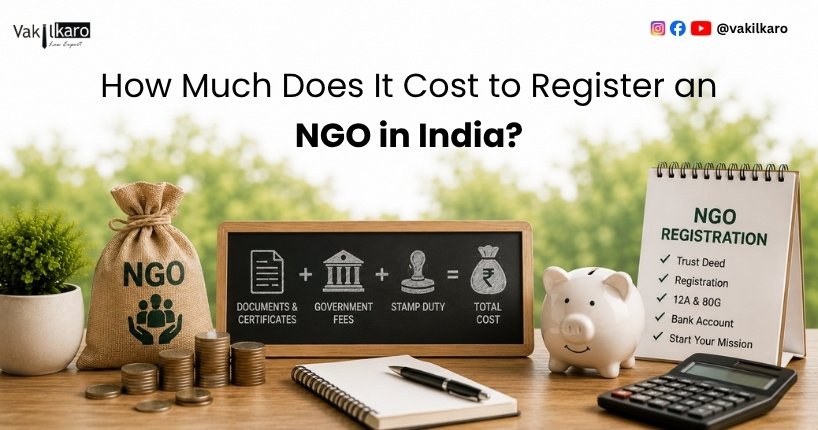
Starting an NGO in India involves understanding the costs associated with registration. The process varies depending on the type of NGO, including Trust, Society, or Section 8 Company registration. Trust registration costs range from ₹5,000 to ₹15,000, while Society registration can range from ₹10,000 to ₹25,000. Section 8 Company registration typically costs ₹20,000 to ₹40,000. Additionally, 12A and 80G registrations for tax exemptions range from ₹10,000 to ₹25,000. Other expenses include auditing fees, office setup, and marketing. Choosing the right structure and understanding the fees will help ensure a smooth and successful NGO registration process.
Key Takeaways
- Whether you choose to register your NGO as a Trust, Society, or Section 8 Company, each has its own advantages, registration procedures, and costs associated with it.
- The cost of registering an NGO can vary widely depending on the structure you choose and the services required to complete the process.
- Section 8 Company Registration Costs Registering an NGO as a Section 8 company is the most formal and expensive option due to the more structured process and governance framework required.
- The cost for this service can range from ₹10,000 to ₹30,000 annually, depending on the scale of your NGO.
- Our services are designed to be cost-effective, enabling you to establish your NGO without exceeding your budget.
Understanding the Costs of Registering an NGO in India
Starting an NGO in India requires a thorough understanding of the costs involved in its registration, as it can vary depending on the legal structure you choose. Whether you are opting for a Trust, Society, or Section 8 Company, each registration type has distinct procedures and fees.
The cost of registering a Trust is typically more affordable than other structures. Trusts are governed by the Indian Trusts Act, 1882, and the registration process generally involves legal fees ranging from ₹5,000 to ₹15,000. Additionally, stamp duty charges may apply, typically ranging from ₹100 to ₹500, depending on the state. However, the overall expenses remain relatively low compared to other NGO structures.
On the other hand, registering a Society under the Societies Registration Act, 1860, involves slightly higher costs due to additional documentation and formalities. Legal fees for society registration generally range from ₹10,000 to ₹25,000. State-specific stamp duties range from ₹500 to ₹2,000. Societies often focus on educational, cultural, or scientific purposes, and the registration process is more complex compared to Trusts.
Section 8 Company registration, under the Companies Act, 2013, is the most formal NGO registration structure. This type of registration is preferred for larger NGOs or those looking for a structured governance framework. The costs for Section 8 Company registration range from ₹20,000 to ₹40,000 for legal fees, with government fees ranging from ₹7,000 to ₹12,000. Additional costs include stamp duty for the Memorandum and Articles of Association, which can range from ₹1,000 to ₹5,000.
Apart from registration, NGOs often apply for tax exemptions under 12A and 80G of the Income Tax Act. These registrations allow NGOs to attract donations and access funding. Fees for 12A and 80G registration typically range from ₹10,000 to ₹25,000.
In conclusion, registering an NGO in India involves a range of costs depending on the legal structure and additional registrations. It's crucial to plan for these expenses to ensure a smooth setup process.
Starting a Non-Governmental Organization (NGO) in India is not only a noble endeavor but also a significant step toward creating meaningful social change. Whether your passion lies in improving education, providing healthcare, combating poverty, or preserving the environment, establishing an NGO allows you to actively contribute to the welfare of society. NGOs have the power to address specific social issues, uplift marginalized communities, and bring about lasting, positive change. However, the journey of starting an NGO involves several steps, one of the most crucial being the registration process.
While the motivation behind starting an NGO may stem from a desire to serve the community, it's essential to recognize the complexities involved in the process of registration. The legal framework for NGO registration in India can be intricate, with several different options available for structuring the organization. Whether you choose to register your NGO as a Trust, Society, or Section 8 Company, each has its own advantages, registration procedures, and costs associated with it.
Before diving into this noble cause, it is vital to understand the financial commitments involved. The cost of registering an NGO can vary widely depending on the structure you choose and the services required to complete the process. While some registration methods may be more affordable, others might require substantial investment, especially when additional procedures such as obtaining tax exemptions (12A and 80G registrations) are involved.
This blog will provide you with a detailed guide on the costs involved in registering an NGO in India. We will focus on key aspects, including the registration fees, procedures, the distinction between different legal structures such as Section 8 company registration, and how to benefit from tax exemptions like 12A and 80G. By the end of this article, you will have a clear understanding of the financial implications and the steps you need to take to ensure a smooth and successful registration process for your NGO.
Types of NGO Registration in India
When registering an NGO in India, it’s essential to choose the appropriate legal structure based on the organization’s objectives, scale, and governance preferences. The choice of registration determines the legal framework, responsibilities, and compliance obligations that an NGO will have to adhere to. The three most common types of NGO registrations in India are Section 8 Company Registration Trust Registration, and Society Registration, each having its own advantages and considerations.
Section 8 Company Registration
A Section 8 company is a non-profit organization that operates under the Companies Act, 2013. It is a formal structure that provides legal status to the NGO and is suitable for organizations looking to have a structured governance system. Unlike other NGOs, a Section 8 company can raise funds from both domestic and international sources, making it an ideal choice for those planning to operate on a large scale. This registration type mandates the formation of a Memorandum of Association (MOA) and Articles of Association (AOA) to outline the company's objectives and operations, and it requires a board of directors for proper governance.
This type of registration is particularly suited for NGOs intending to engage in substantial social work, such as healthcare, education, or large-scale environmental projects, as it ensures greater transparency and credibility. Furthermore, Section 8 companies are eligible for tax exemptions under Sections 12A and 80G of the Income Tax Act, which can attract donations from individuals and corporate donors.
Trust Registration
Trust registration is one of the oldest and simplest ways to form an NGO in India. Governed by the Indian Trusts Act, 1882, a trust can be created with as few as two trustees and does not require a formal governance structure. A trust is most commonly used for charitable purposes, such as providing aid to the poor, advancing education, or promoting healthcare.
The registration process for a trust is straightforward, involving the creation of a trust deed that defines its objectives and the trustees’ responsibilities. The deed must be signed by all trustees and submitted to the relevant local authority for registration. While it is a relatively simple and cost-effective structure, trusts are usually not suited for larger organizations due to the absence of a formal governance framework. Trusts are also not allowed to carry out commercial activities and are subject to fewer regulations than other NGO types.
Society Registration
Under the Societies Registration Act, 1860 societies can be formed by at least seven members. This structure is flexible and widely used for NGOs focused on educational, scientific, cultural, or charitable activities. Societies are particularly advantageous when the organization is community-driven, as they are governed by a general body of members who elect the governing body.
Society registration provides more flexibility than a trust and offers a more democratic form of governance, as decisions are made by the members. This type of registration is typically chosen by organizations that wish to operate at a regional or national level, as it allows greater autonomy in terms of governance and management. Societies can also apply for tax exemptions under the 12A and 80G provisions of the Income Tax Act, making them more attractive to potential donors. The registration process involves drafting a Memorandum of Association (MOA) and Rules and Regulations for the society, which are then submitted for registration with the relevant authority.
Costs Involved in NGO Registration in India
Registering an NGO in India involves several financial aspects that must be carefully considered. Depending on the legal structure chosen for the NGO, the costs associated with the registration process will vary. Below, we break down the costs involved in registering an NGO under the three most common legal structures: Trust, Society, and Section 8 Company.
Trust Registration Costs
Registering an NGO as a trust is one of the simplest and least expensive options. However, even this structure involves some financial commitment:
- Legal Fees: The cost of legal services for drafting and registering a trust deed typically ranges from ₹5,000 to ₹15,000. The variation in fees depends on the complexity of the trust deed and the legal professional's expertise. Trusts are relatively straightforward to set up, but having a lawyer draft the deed ensures that all legal requirements are met.
- Stamp Duty: Stamp duty for trust registration is charged based on the state where the trust is registered. Generally, the stamp duty ranges between ₹100 and ₹500, depending on the specific state regulations.
- Additional Costs: Some extra costs could be involved in notarizing documents, drafting the trust deed, and obtaining any necessary approvals or clearances from local authorities. These additional expenses could range from ₹500 to ₹2,000, depending on the complexity and location.
Society Registration Costs
Society registration is slightly more complex than trust registration due to the involvement of more paperwork and a higher level of governance. As a result, the associated costs are higher:
- Legal Fees: The legal fees for registering a society range from ₹10,000 to ₹25,000, depending on the complexity of the society's formation documents and the state in which it is being registered. The legal professional’s services typically include drafting the Memorandum of Association (MOA) and Rules and Regulations for the society.
- Stamp Duty: The stamp duty for society registration varies by state, typically ranging from ₹500 to ₹2,000. This fee is calculated based on the society's capital and operational scope.
- Additional Costs: There are other potential costs to consider, such as notary fees, registration fees, and the cost of obtaining certified copies of the registered documents. These can add anywhere from ₹1,000 to ₹3,000 depending on the state.
Section 8 Company Registration Costs
Registering an NGO as a Section 8 company is the most formal and expensive option due to the more structured process and governance framework required. Here are the key costs:
- Legal Fees: The legal fees for registering a Section 8 company Registration typically range from ₹20,000 to ₹40,000. These costs depend on the complexity of the company’s operations and the services offered by the legal professional, such as drafting the Memorandum and Articles of Association (MOA and AOA), and providing advice on governance and compliance.
- Government Fees: The government fees for Section 8 company registration are between ₹7,000 and ₹12,000. This fee varies based on factors like the company’s authorized capital and the number of directors on the board. The government charges a registration fee that reflects the scale of operations.
- Stamp Duty: For a Section 8 company, stamp duty on the Memorandum and Articles of Association typically ranges from ₹1,000 to ₹5,000, depending on the value of the authorized capital and the state.
- Additional Costs: Additional costs may include notary fees, Registrar of Companies (ROC) fees, and administrative expenses. These can range from ₹2,000 to ₹5,000, depending on the legal firm and location.
12A and 80G Registration Fees
While registering an NGO is an important step, applying for tax exemptions through 12A and 80G registration under the Income Tax Act is equally crucial for attracting donations and ensuring financial sustainability.
- 12A Registration 12A registration is essential for any NGO that wants to avail of income tax exemptions. The cost of obtaining 12A registration varies based on the complexity of the application and whether you are hiring a legal professional. The fees for 12A registration typically range from ₹10,000 to ₹20,000. The process involves submitting the necessary documentation to the Income Tax Department, including the NGO's Memorandum of Association (MOA) and Articles of Association (AOA), financial statements, and a detailed application.
- 80G Registration Section 80G registration allows donors to claim tax deductions on the donations they make to your NGO. This registration is essential for attracting funds and ensuring that your NGO can receive support from individuals and corporations who seek to benefit from tax deductions. The fees for 80G registration usually range from ₹10,000 to ₹25,000, depending on the complexity of the application and the services provided by the legal professional assisting with the registration process. Both 12A and 80G registration are crucial for NGOs looking to raise funds effectively.
Other Costs Associated with NGO Registration
While the costs mentioned above cover the primary expenses for NGO registration, there are several other costs that may arise during the process:
- Accountancy and Auditing Fees: For NGOs, financial transparency is crucial. To ensure compliance with tax laws and maintain proper financial records, you may need to hire a chartered accountant (CA) or auditor. The cost for this service can range from ₹10,000 to ₹30,000 annually, depending on the scale of your NGO.
- Office Setup Costs: Setting up an office space is an additional cost that should be considered. This includes rent, utilities, office supplies, and staff salaries.
- Marketing and Awareness Costs: If your NGO plans to raise awareness about its work, costs related to marketing, website development, printing brochures, and social media promotion should be factored in.
Advantages of Section 8 Company Registration
While the costs of registering an NGO as a Section 8 company are higher, this structure offers several advantages that make it a popular choice for many social entrepreneurs:
- Greater Credibility: Section 8 companies are governed by the Companies Act, 2013, which provides a structured governance framework. This lends greater credibility to the NGO, making it easier to attract donors, investors, and collaborators.
- Tax Benefits: NGOs registered under Section 8 are eligible for tax exemptions under Section 12A and Section 80G of the Income Tax Act making it easier to raise funds and attract donations.
- Legal Protection: Section 8 companies provide limited liability to their members, which means that they are not personally liable for the organization’s debts.
- Enhanced Fundraising Opportunities: Section 8 companies can apply for government grants, international funding, and corporate sponsorships, which are typically not available to other types of NGOs.
Conclusion
Registering an NGO in India is a significant step toward creating a positive impact in society. The costs associated with NGO registration can vary based on the structure you choose and the services required to complete the registration process. While setting up a trust or society is relatively affordable, the costs of registering a Section 8 company are higher due to the more formalized process and governance structure.
In addition to the registration fees, obtaining 12A and 80G registrations is essential for availing tax exemptions and attracting donors. The legal costs associated with these registrations are generally reasonable, but they are an important consideration for ensuring the financial sustainability of your NGO.
If you are considering registering an NGO, it’s essential to plan ahead and budget for all associated costs, including legal fees, government charges, and additional operational expenses. Consulting with a legal professional can help streamline the process and ensure compliance with all regulatory requirements. With the right approach, you can establish a successful NGO that makes a lasting impact in your community and beyond.
Why Choose Vakilkaro for NGO Registration and Other Legal Services
Starting and managing an NGO can be a rewarding yet complex endeavor, requiring a thorough understanding of legal procedures and compliance. At Vakilkaro, we offer specialized legal services to assist you in setting up and managing your NGO, ensuring smooth registration and ongoing legal compliance. Here are some reasons why choosing Vakilkaro for NGO registration and other legal services is an excellent decision:
Expert Legal Guidance
Vakilkaro boasts a team of experienced legal professionals who are well-versed in NGO registration, Section 8 company registration, trust registration, and society registration. We offer personalized legal advice tailored to your NGO’s unique needs, ensuring that all legal aspects are carefully managed and complied with.
Comprehensive Services
Apart from NGO registration, Vakilkaro provides a wide array of legal services to NGOs and non-profit organizations, including 12A and 80G registration for tax exemptions, drafting of trust deeds, and assisting with compliance matters. Our comprehensive approach helps you navigate the complex landscape of non-profit operations, from registration to financial and legal compliance.
Smooth and Efficient Registration Process
At Vakilkaro, we understand that time is crucial when starting an NGO. Our team ensures a hassle-free registration process, handling all legal documentation and submitting your application to the relevant authorities promptly. Whether you are registering as a Section 8 company, trust, or society, we simplify the process, saving you time and effort.
Affordable and Transparent Pricing
Vakilkaro offers competitive pricing for NGO registration and other legal services. We provide clear, upfront pricing with no hidden fees, ensuring that you know exactly what to expect. Our services are designed to be cost-effective, enabling you to establish your NGO without exceeding your budget.
Post-Registration Support
Our services don’t end with registration. Vakilkaro offers ongoing support to ensure your NGO remains compliant with all regulations. From annual filings and audits to assistance with government grants and fundraising, we’re here to help your NGO thrive in the long term.
Trusted by Thousands
Vakilkaro has a strong reputation for delivering reliable and professional legal services. We have helped numerous clients establish successful NGOs and navigate the legal complexities associated with their operations. Our client-first approach ensures that your vision for social change is supported by the right legal framework.
Official External Resources
Use these primary/official sources to verify rules, forms, fees, timelines and regulatory updates before publication.
Frequently asked questions
How Much Does It Cost to Register an NGO in India?+
Whether you choose to register your NGO as a Trust, Society, or Section 8 Company, each has its own advantages, registration procedures, and costs associated with it. The cost of registering an NGO can vary widely depending on the structure you choose and the services required to complete the process.
