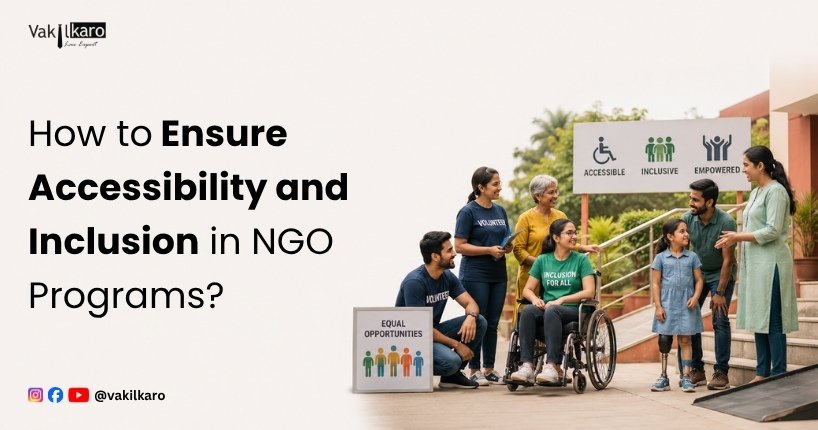
Ensuring accessibility and inclusion in NGO programs is crucial for maximizing social impact. Whether your NGO is registered under Section 8 company registration, NGO registration, or holds 12A and 80G registration, adopting inclusive practices is essential. These strategies include conducting needs assessments, ensuring physical and technological accessibility, fostering inclusive leadership, providing staff training, and collaborating with partners. By addressing the unique barriers faced by marginalized communities, NGOs can build trust, comply with legal frameworks, and attract donor support. Ultimately, inclusivity enhances your NGO’s credibility, promotes social equity, and creates lasting, positive change in the communities you serve.
Key Takeaways
- Ensuring Accessibility and Inclusion in NGO Programs In today's world, NGOs play a vital role in addressing the needs of marginalized and underserved communities.
- Incorporating accessibility and inclusion into an NGO’s programs also aligns with broader legal and regulatory frameworks, especially for organizations with Section 8 company registration, trust models, or 12A and 80G registration.
- This blog will discuss various strategies that can ensure accessibility and inclusion in NGO programs, including legal structures like Section 8 company registration and NGO registration, and highlight practical steps to make your programs more inclusive and accessible.
- Understanding Accessibility and Inclusion in NGO Programs To ensure accessibility and inclusion in NGO programs, it is important first to understand the difference between these two concepts: Accessibility refers to making resources, services, and programs available to everyone, including people with disabilities, people from rural or underserved areas, or people facing technological or financial barriers.
- Key Strategies to Ensure Accessibility and Inclusion in NGO Programs Here are several strategies that NGOs can implement to ensure their programs are accessible and inclusive: 1.
Ensuring Accessibility and Inclusion in NGO Programs
In today's world, NGOs play a vital role in addressing the needs of marginalized and underserved communities. However, to maximize the impact of their programs, NGOs must ensure that their services are both accessible and inclusive. Accessibility and inclusion go beyond just removing physical barriers; they involve addressing social, economic, and psychological challenges that some communities face. This is crucial for NGOs, whether they are registered under Section 8 company registration, traditional trust models, or society models with NGO registration.
For NGOs with 12A and 80G registration, ensuring accessibility and inclusion becomes even more critical. These legal registrations offer tax exemptions and donor incentives, which can be a powerful tool to attract support. Demonstrating a commitment to inclusivity can help build credibility with donors, partners, and stakeholders. It shows that the organization is not only adhering to legal and ethical standards but is also actively working towards reducing systemic inequalities.
To create inclusive and accessible programs, NGOs must start by conducting a thorough needs assessment. This helps in understanding the unique challenges faced by the communities they serve. For example, rural areas may face infrastructure issues like limited access to roads or electricity. NGOs can address these by designing programs that do not rely heavily on technology, offering mobile units for healthcare, or education.
Moreover, accessibility in program delivery is essential. Ensuring physical accessibility includes making venues, offices, and events accessible to individuals with disabilities. Technologically, NGOs should ensure digital tools are usable for people with visual, auditory, or cognitive impairments. Financial accessibility can be achieved by offering free services or creating a sliding scale based on income.
Inclusive leadership and governance are also critical. NGOs should involve marginalized groups in decision-making processes to ensure their needs are reflected in the organization’s strategies. By adopting these practices, NGOs can create programs that are not only legally compliant but also socially impactful.
In today's rapidly evolving world, where social issues and community needs are becoming increasingly urgent, Non-Governmental Organizations (NGOs) play an indispensable role in addressing some of the most pressing challenges faced by marginalized and underserved communities. As society shifts towards greater awareness of human rights, diversity, and equity, the focus on social impact has never been more pronounced. NGOs, which are often at the forefront of addressing social inequities, work tirelessly to uplift disadvantaged populations, including those from lower-income backgrounds, disabled individuals, minorities, and rural communities.
Whether your NGO is registered under Section 8 company registration, a traditional trust model, or a society model with NGO registration, the core mission remains the same: to bring about social change. However, ensuring that your programs are accessible and inclusive is paramount to the success and effectiveness of any NGO’s work. Accessibility and inclusion are not simply about removing physical barriers or ensuring that everyone can attend a meeting or use a service. These concepts go much deeper and extend to addressing the social, economic, and psychological barriers that some communities face in participating in social programs or accessing necessary services.
For example, an NGO working in rural areas must overcome geographical isolation, limited infrastructure, and lack of technology, while an organization serving disabled individuals must ensure that its facilities, materials, and staff are prepared to accommodate people with diverse physical and mental abilities. In addition to these logistical considerations, NGOs must address social factors like stigma, discrimination, and the exclusion that marginalized groups often face. Accessibility and inclusion should be integrated into every stage of an NGO’s operations, from planning and delivery to evaluation.
Incorporating accessibility and inclusion into an NGO’s programs also aligns with broader legal and regulatory frameworks, especially for organizations with Section 8 company registration, trust models, or 12A and 80G registration. These frameworks ensure that organizations meet compliance standards and are transparent in their operations, thus fostering greater trust and credibility with donors, partners, and stakeholders.
Ultimately, a commitment to accessibility and inclusion is about ensuring that no one is left behind. It involves creating a level playing field where all individuals, regardless of their background or abilities, can benefit from the NGO's efforts. By focusing on these aspects, NGOs can amplify their social impact and make a lasting difference in the lives of those who need it most.
Why Accessibility and Inclusion Matter in NGO Programs?
Ensuring that your NGO's programs are accessible and inclusive is not only a moral imperative but also a practical one. With 12A and 80G registration providing NGOs with tax exemptions, as well as benefits to donors, a commitment to inclusivity strengthens your organizational credibility.
- Social Impact: NGOs often serve people in vulnerable situations. Ensuring inclusivity helps to address systemic inequalities and offers marginalized groups the tools they need to thrive.
- Legal Compliance: In some cases, your NGO’s Section 8 company registration or any other legal registration may require you to adhere to specific rules and regulations around accessibility, especially if your work involves public engagement, international partnerships, or government-funded projects.
- Fundraising Potential: Donors and partners are increasingly concerned with the social return on their investments. Demonstrating your NGO's commitment to inclusive practices increases trust with donors and stakeholders.
Incorporating accessibility and inclusion ensures that your NGO can work effectively and ethically, reaching the maximum number of individuals while respecting their unique needs and aspirations. This blog will discuss various strategies that can ensure accessibility and inclusion in NGO programs, including legal structures like Section 8 company registration and NGO registration, and highlight practical steps to make your programs more inclusive and accessible.
Understanding Accessibility and Inclusion in NGO Programs
To ensure accessibility and inclusion in NGO programs, it is important first to understand the difference between these two concepts:
- Accessibility refers to making resources, services, and programs available to everyone, including people with disabilities, people from rural or underserved areas, or people facing technological or financial barriers.
- Inclusion goes a step further by making these people feel a part of the program, ensuring they have a voice in decision-making and actively engaging them in the process, whether as beneficiaries, partners, or stakeholders.
Legal Frameworks that Support Accessibility and Inclusion
For NGOs registered under Section 8 company registration or traditional trust/society models, understanding the legal framework around accessibility and inclusion is key to compliance and operational effectiveness.
- Section 8 Company Registration: If your NGO is registered as a Section 8 company, your legal obligations for accessibility and inclusion are influenced by the Companies Act, 2013. You must ensure that the programs your company runs adhere to the values of social justice and human rights. Furthermore, with Section 8 registration, you can take advantage of more professional governance structures, which may make it easier to implement effective inclusivity programs.
- NGO Registration: An NGO registration under the Societies Registration Act or Trust Act also requires the incorporation of accessibility and inclusion initiatives into the NGO’s mission and operational framework. By fostering inclusive practices, NGOs improve the sustainability of their operations and enhance their credibility within both local and international communities.
- 12A and 80G Registration: For NGOs aiming for tax exemptions and enhancing donor confidence, 12A and 80G registration offer opportunities to demonstrate responsible fund usage. Creating inclusive programs ensures that donors feel confident their contributions are being put to effective use.
Key Strategies to Ensure Accessibility and Inclusion in NGO Programs
Here are several strategies that NGOs can implement to ensure their programs are accessible and inclusive:
Conducting Needs Assessment
A needs assessment is a critical first step in designing accessible and inclusive programs. This process involves gathering information from the communities you intend to serve, understanding their unique challenges, and identifying barriers to participation. NGOs, whether registered under Section 8 company registration or as a trust or society, should consult beneficiaries, local leaders, and experts to gain a clear understanding of the population’s needs.
For example:
- Rural Areas: Communities in remote areas may have limited access to basic infrastructure like roads, electricity, and internet connectivity. Design programs that do not rely heavily on technology and incorporate solutions like mobile units for healthcare or education.
- Disability Inclusion: If serving people with disabilities, your programs should consider physical accessibility, such as ramps, wheelchair access, and Braille materials for the visually impaired.
Accessibility in Program Delivery
Ensuring that your NGO’s programs are physically, technologically, and financially accessible is essential. Here are some considerations for accessibility:
- Physical Accessibility: Ensure that your event venues, offices, or training spaces are accessible to people with physical disabilities. This includes things like ramps, accessible bathrooms, and transportation arrangements for disabled individuals.
- Technological Accessibility: If your NGO uses digital tools (for fundraising, communication, or service delivery), ensure that these tools are accessible to people with visual, auditory, or cognitive impairments. This could involve using screen readers, captioning videos, or designing simple and intuitive web interfaces.
- Financial Accessibility: Offering free services, or a sliding scale fee based on income, can help ensure that people from economically disadvantaged backgrounds are able to access your services. NGOs with 12A and 80G registration can use these provisions to attract donors who support such inclusive practices.
Inclusive Leadership and Governance
Inclusive governance is fundamental for an NGO committed to ensuring accessibility. NGOs with Section 8 company registration and NGO registration have the advantage of establishing formal governance structures, which can be utilized to ensure representation from marginalized groups in leadership roles. Including women, minorities, disabled individuals, and other marginalized groups in decision-making positions helps your NGO create policies that reflect the needs of diverse communities.
- Diverse Board Representation: NGOs should work towards ensuring that their boards and management teams are diverse and reflect the communities they serve. For instance, people with disabilities, members of disadvantaged ethnic or socio-economic groups, and marginalized women should have a seat at the table.
- Community Involvement: When designing programs, involving the community in the decision-making process ensures that the programs are truly reflective of the needs and desires of those you aim to serve.
Training and Capacity Building
One of the most effective ways to promote accessibility and inclusion is through capacity building. This involves training both your staff and the beneficiaries of your programs.
- Staff Training: Ensure your staff and volunteers understand the importance of accessibility and inclusion. Provide regular training sessions on diversity, equity, and inclusion. Additionally, training staff on working with people from diverse backgrounds ensures that all beneficiaries feel welcomed and respected.
- Beneficiary Empowerment: Your NGO should invest in empowering beneficiaries by equipping them with the skills needed to improve their livelihoods. This could include technical training, leadership programs, or financial literacy workshops.
Collaboration and Partnerships
Collaboration with other organizations, government bodies, and the private sector is crucial to overcoming barriers to inclusion and accessibility. Partnerships can provide the resources and expertise needed to design more inclusive programs.
- Partnering with Other NGOs: Collaborating with other NGOs that focus on accessibility can bring in specialized knowledge and resources that your organization may lack.
- Corporate Partnerships: Work with corporates who are invested in social responsibility programs to provide financial or material support for inclusive projects. Section 8 company registration gives your organization a more professional image, which can enhance your ability to forge such partnerships.
Feedback and Monitoring Systems
It’s essential for NGOs to incorporate robust feedback and monitoring systems to assess the impact and accessibility of their programs. NGOs should regularly review their programs to ensure they are achieving their inclusivity and accessibility goals. Collecting feedback from participants can help identify areas for improvement.
- Monitoring and Evaluation (M&E): NGOs, especially those registered under Section 8 company registration, should establish strong M&E systems to track program outcomes and identify any gaps in accessibility.
- Beneficiary Feedback: Implementing anonymous feedback mechanisms for beneficiaries can help ensure that marginalized groups feel comfortable expressing concerns and suggestions.
Conclusion
Creating accessible and inclusive programs is not just a matter of fulfilling regulatory requirements or meeting compliance standards—it's about genuinely committing to serve diverse communities and making a real, tangible difference in their lives. The true essence of an NGO’s work lies in its ability to cater to the needs of all people, especially those who are marginalized or disadvantaged. Accessibility and inclusion are central to ensuring that the benefits of social programs reach everyone, regardless of their background, economic status, or physical ability. NGOs must recognize that inclusivity is not merely about access to resources but also about ensuring that these communities are given a voice in shaping the programs that impact their lives.
By embedding accessibility and inclusion into every aspect of their operations, NGOs not only improve the reach and effectiveness of their programs but also help foster a stronger, more equitable society. Inclusivity ensures that no one is left behind, allowing individuals from all walks of life to participate in the development, implementation, and evaluation of initiatives that are designed to uplift their communities. In this way, NGOs contribute to the dismantling of systemic barriers that perpetuate inequality and exclusion, providing opportunities for all to thrive.
For NGOs registered under Section 8 company registration or other legal frameworks such as trusts or societies, accessibility and inclusion are critical to the overall governance and credibility of the organization. These legal structures not only provide the legitimacy needed to operate efficiently but also reinforce the NGO’s commitment to transparency, accountability, and ethical practices. Additionally, for NGOs with 12A and 80G registration, adhering to accessibility and inclusion principles becomes even more important. Such practices demonstrate to donors, stakeholders, and regulatory authorities that the organization is dedicated to responsible fund utilization, making it more likely to attract support from those who value social equity and the fair distribution of resources.
Ultimately, the integration of accessibility and inclusion within an NGO’s programs is a powerful statement about the organization’s dedication to social justice. It shows that the NGO is not just a passive service provider but an active participant in the pursuit of a more equitable society. Through this approach, NGOs can strengthen their impact, attract greater support, and build sustainable relationships with both beneficiaries and donors.
By incorporating these strategies and staying committed to best practices, your NGO can create a lasting, positive impact. In turn, your organization will gain more trust, credibility, and support from your community, donors, and stakeholders, allowing you to expand your efforts and further your mission.
Why Choose Vakilkaro for Your Legal Services?
When it comes to legal services, especially in the context of setting up and managing an NGO, the right support can make all the difference. Vakilkaro stands out as a trusted partner for organizations navigating the complexities of NGO registration, Section 8 company registration, and compliance with laws like 12A and 80G registration. Here’s why choosing Vakilkaro for your legal needs is a smart decision:
- Expertise in NGO and Section 8 Registration: Vakilkaro has extensive experience in handling the legal processes involved in NGO and Section 8 company registration. Whether you are registering a trust, society, or a Section 8 company, Vakilkaro guides you through each step, ensuring compliance with the latest legal requirements and regulations. Their expertise helps you build a strong legal foundation for your organization, enabling you to focus on your mission and objectives without worrying about legal complexities.
- End-to-End Legal Services: Vakilkaro offers a comprehensive range of services to support your NGO from registration to ongoing compliance. Beyond initial registration, they assist with obtaining 12A and 80G registration, which are critical for securing tax exemptions and building trust with donors. Vakilkaro ensures that your organization meets all regulatory obligations and operates smoothly, even as laws and regulations evolve.
- Tailored Solutions: Understanding that every NGO has unique needs, Vakilkaro provides personalized legal solutions. Whether you are focused on accessibility and inclusion in your programs or need advice on governance structures and compliance, Vakilkaro’s team takes the time to understand your goals and offers tailored legal strategies that align with your organization’s mission.
- Transparency and Trust: Vakilkaro values transparency in its dealings, ensuring that you are informed at every stage of the legal process. Their approach fosters trust, helping you make informed decisions that benefit your organization and its stakeholders.
- Affordable and Efficient Service: Vakilkaro is committed to providing high-quality legal services at competitive prices. Their efficient processes and clear communication help reduce the time and effort involved in legal tasks, so you can focus on scaling your impact.
- Ongoing Support: Legal needs don’t stop after registration. Vakilkaro offers ongoing support to ensure your NGO remains compliant with tax regulations, governance standards, and other legal requirements, such as filing annual returns and audits. This long-term relationship helps you avoid legal pitfalls and stay on track with your mission.
- Reputation and Trustworthiness: Vakilkaro has earned a reputation for reliability and professionalism. They are trusted by a wide range of clients, including NGOs, startups, and businesses, for their ability to deliver timely and accurate legal services. With Vakilkaro, you can be confident that your NGO is in capable hands.
By choosing Vakilkaro, you’re not just securing legal services—you’re partnering with a dedicated team that is genuinely invested in helping your NGO grow, comply with legal standards, and make a meaningful impact. Whether you're just starting or looking for ongoing support, Vakilkaro’s legal expertise is an invaluable resource for your organization.
Official External Resources
Use these primary/official sources to verify rules, forms, fees, timelines and regulatory updates before publication.
Frequently asked questions
How to Ensure Accessibility and Inclusion in NGO Programs?+
This blog will discuss various strategies that can ensure accessibility and inclusion in NGO programs, including legal structures like Section 8 company registration and NGO registration, and highlight practical steps to make your programs more inclusive and accessible. Understanding Accessibility and Inclusion in NGO Programs To ensure accessibility and inclusion in NGO programs, it is important first to understand the difference between these two concepts: Accessibility refers to making resources, services, and programs available to everyone, including people with disabilities, people from rural or underserved areas, or people facing technological or financial barriers.
