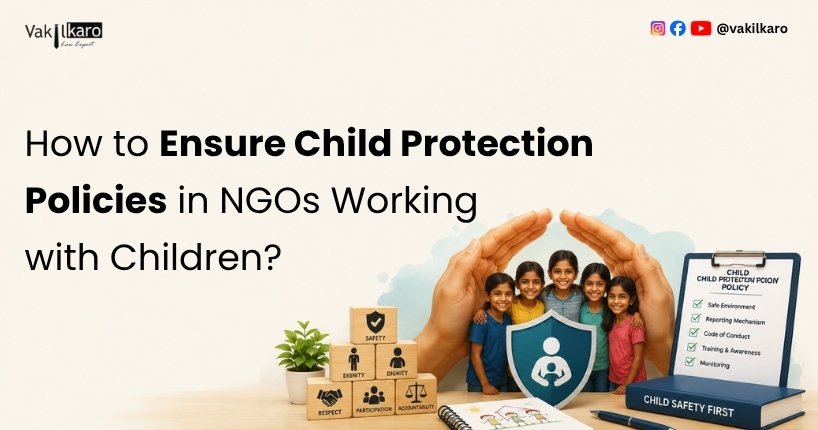
Child protection is essential for NGOs working with children. By adopting robust policies and practices, these organizations can safeguard children from abuse, neglect, and exploitation. Key components of effective policies include clear definitions of abuse, strict recruitment processes, staff training, monitoring, and robust reporting mechanisms. Legal frameworks such as NGO registration, Section 8 company registration, and 12A and 80G certifications help NGOs maintain transparency, accountability, and compliance, enhancing their ability to protect children. NGOs must integrate child protection into their operations, engage experts, and create open communication channels to ensure a safe environment for all children involved in their programs.
Key Takeaways
- NGOs must integrate child protection into their operations, engage experts, and create open communication channels to ensure a safe environment for all children involved in their programs.
- To ensure that children are protected from abuse, neglect, and exploitation, NGOs must implement rigorous child protection policies.
- Key Components of Child Protection Policies for NGOs Developing an effective child protection policy involves several key components that ensure the safety and welfare of children.
- NGOs working with children must ensure that all potential employees and volunteers undergo thorough background checks, including criminal record verification and child protection training.
- Conclusion Ensuring child protection in NGOs working with children is a complex and ongoing process that demands a combination of commitment, strategic planning, and continuous effort from all involved.
Ensuring Child Protection in NGOs: A Vital Responsibility
Child protection is a cornerstone of any NGO that works with children, as their safety and well-being are paramount. NGOs play a critical role in education, healthcare, and community development for children, and it is essential that they create environments that are not only supportive but also safe. To ensure that children are protected from abuse, neglect, and exploitation, NGOs must implement rigorous child protection policies. These policies not only provide guidelines on safeguarding but also reflect the organization’s commitment to children's welfare.
A child protection policy needs to be comprehensive, covering key aspects such as the recruitment process for staff and volunteers, their training in identifying and responding to abuse, and the establishment of clear, confidential reporting mechanisms. These policies should clearly define what constitutes abuse, including physical, emotional, sexual abuse, and neglect. They should also specify the responsibilities of all staff and volunteers, ensuring that everyone understands their role in protecting children.
For NGOs registered under NGO laws, including those with Section 8 company registration, the legal framework ensures they adhere to governance standards, making it easier to enforce child protection policies. Such legal structures add credibility and transparency, which further strengthens the organization's efforts in protecting children. Additionally, compliance with 12A and 80G regulations allows NGOs to access more funding and resources, which can be channeled into child protection initiatives.
Furthermore, monitoring and regular supervision are crucial to ensure that child protection policies are effectively implemented. This could involve regular audits, safety assessments, and continuous training. External collaboration with child protection experts and constant feedback from children in care are also essential components of a strong child protection system.
Ultimately, ensuring child protection in NGOs requires ongoing commitment, planning, and adherence to legal and ethical standards, with NGO registration and certifications providing a robust foundation for these efforts.
Child protection is a cornerstone of any NGO that works with children, as their safety and well-being are paramount. NGOs play a critical role in education, healthcare, and community development for children, and it is essential that they create environments that are not only supportive but also safe. To ensure that children are protected from abuse, neglect, and exploitation, NGOs must implement rigorous child protection policies. These policies not only provide guidelines on safeguarding but also reflect the organization’s commitment to children's welfare.
A child protection policy needs to be comprehensive, covering key aspects such as the recruitment process for staff and volunteers, their training in identifying and responding to abuse, and the establishment of clear, confidential reporting mechanisms. These policies should clearly define what constitutes abuse, including physical, emotional, sexual abuse, and neglect. They should also specify the responsibilities of all staff and volunteers, ensuring that everyone understands their role in protecting children.
For NGOs registered under NGO laws, including those with Section 8 company registration, the legal framework ensures they adhere to governance standards, making it easier to enforce child protection policies. Such legal structures add credibility and transparency, which further strengthens the organization's efforts in protecting children. Additionally, compliance with 12A and 80G Registration and regulations allows NGOs to access more funding and resources, which can be channeled into child protection initiatives.
Furthermore, monitoring and regular supervision are crucial to ensure that child protection policies are effectively implemented. This could involve regular audits, safety assessments, and continuous training. External collaboration with child protection experts and constant feedback from children in care are also essential components of a strong child protection system.
Ultimately, ensuring child protection in NGOs requires ongoing commitment, planning, and adherence to legal and ethical standards, with NGO registration and certifications providing a robust foundation for these efforts.
The Importance of Child Protection Policies
Child protection policies are essential frameworks designed to safeguard children from abuse, neglect, and exploitation. These policies serve as a guide for how NGOs working with children can create environments where children's rights are respected and upheld. The importance of these policies cannot be overstated. A child protection policy ensures that every individual associated with the NGO – from staff to volunteers – understands their role in protecting children, and it establishes clear reporting and response mechanisms in the event of incidents.
For an NGO working with children, safeguarding practices are fundamental not only for the physical and emotional wellbeing of children but also for the credibility and trust of the organization. Adopting a robust child protection policy is a powerful way to demonstrate the NGO's commitment to the best interests of the children it serves.
Key Components of Child Protection Policies for NGOs
Developing an effective child protection policy involves several key components that ensure the safety and welfare of children. These policies must be comprehensive and cover every aspect of the organization’s operations, from recruitment and training to incident reporting and response. Here are the essential elements:
Clear Definitions and Scope of Abuse
A strong child protection policy must begin with a clear definition of what constitutes child abuse, including physical, emotional, sexual abuse, exploitation, neglect, and bullying. It should cover both active forms of abuse and more passive forms, such as neglect. In addition, the policy should be clear about the scope of its application—who it covers, including children in temporary care, project activities, and other outreach programs.
Recruitment and Screening of Staff
One of the most important safeguards for child protection is a strict recruitment process. NGOs working with children must ensure that all potential employees and volunteers undergo thorough background checks, including criminal record verification and child protection training. This process not only protects children but also demonstrates the NGO’s commitment to maintaining a safe environment.
In the context of Section 8 company registration, which is often adopted by social welfare-focused NGOs, it is essential that these legal structures also integrate child protection measures into their governance framework. As these organizations are registered under the Ministry of Corporate Affairs, they are obligated to adhere to specific compliance standards that enhance their legal credibility and organizational integrity.
Training and Awareness
Child protection is not just about policies but also about a culture of safety. NGOs should ensure that all staff members, volunteers, and stakeholders are trained on child protection practices. This includes recognizing signs of abuse, how to respond if a child is at risk, and how to report incidents properly. NGOs should also conduct regular refresher courses to ensure that everyone remains informed of new developments in child protection standards.
For NGOs that are registered under NGO registration laws or Section 8 company registration, child protection policies should be included in governance and operational strategies. It is essential that the board of directors and key decision-makers understand their legal responsibilities and help lead the effort to establish a child-safe culture within the organization.
Monitoring and Supervision
Effective child protection policies also require continuous monitoring and supervision. NGOs must implement regular safety audits and ensure that safety measures are being followed on the ground. This can include monitoring interactions between staff and children, ensuring children have a voice in their care and that their concerns are taken seriously.
For NGOs that have undergone 12A and 80G registration, monitoring child protection practices becomes a part of their transparency and accountability framework. The credibility gained from such registrations also helps NGOs attract resources and funding to maintain the safety and security of children under their care.
Reporting and Response Mechanisms
A robust reporting and response system is crucial for ensuring that child protection incidents are dealt with effectively and transparently. Child protection policies should outline how to report suspected or witnessed abuse, who to contact within the organization, and how external authorities (like law enforcement) should be involved. Confidentiality must be maintained for the safety of the child involved.
Furthermore, NGOs should clearly define the roles and responsibilities of staff members when it comes to responding to incidents. This includes setting up a system to track incidents and ensuring appropriate follow-up actions.
How Legal Frameworks Support Child Protection Policies
Legal frameworks such as NGO registration, Section 8 company registration, and 12A and 80G certifications are integral to ensuring that NGOs are equipped to enforce child protection policies effectively. These legal frameworks provide NGOs with the tools and resources they need to maintain compliance, operate transparently, and manage financial resources responsibly.
NGO Registration
In India, registering an NGO is the first step in ensuring its legitimacy. NGO registration provides legal recognition, enabling the organization to receive donations and access government support. It is essential for any organization aiming to protect children and work in a structured and professional manner. With proper NGO registration, an NGO is legally empowered to implement a wide range of child protection measures, from recruiting staff to managing funds responsibly.
Additionally, NGOs with formal registration can create clear legal frameworks within their operations, ensuring that they are fully compliant with national and international child protection standards. This enhances the organization’s credibility, making it easier to attract funding, build partnerships, and maintain public trust.
Section 8 Company Registration
Section 8 company registration is an ideal structure for NGOs aiming to focus on social causes, including child protection. NGOs registered as Section 8 companies must comply with corporate governance standards, ensuring that they operate transparently and ethically. The legal framework provided by Section 8 company registration is designed to foster accountability, ensuring that funds are used appropriately and that the NGO is committed to its social mission.
Child protection policies can be integrated into the governance structure of Section 8 companies, and the organizational bylaws can outline the procedures for dealing with incidents of abuse or neglect. In this way, legal registration enhances the integrity and accountability of the NGO, which is crucial when working with vulnerable populations like children.
12A and 80G Registration
The 12A and 80G registration are key for NGOs in India looking to secure tax exemptions and attract donors. For organizations working with children, these certifications enhance credibility and enable the organization to raise more funds for child protection initiatives.
By obtaining 12A and 80G registrations, NGOs not only ensure tax exemptions on donations but also gain access to a wider pool of donors who seek to contribute to transparent, legally compliant organizations. This additional funding can then be directed towards strengthening child protection systems, such as staff training, implementing safety measures, and setting up reporting systems.
Implementation of Child Protection Policies in Practice
While creating a child protection policy is essential, the true measure of success is in the implementation. For NGOs, the focus should be on integrating child protection into every facet of their operations. This requires ongoing training, monitoring, and evaluation to ensure that the policy is effective.
- Collaboration with External Experts: NGOs should work with child protection experts and legal advisors to ensure that their policies are up to date and compliant with national and international laws. External experts can also help provide specialized training and support in addressing specific child protection challenges.
- Engaging with Children: Children should be involved in the process of creating a child-safe environment. NGOs should provide children with avenues to express their concerns, complaints, and suggestions in a safe and supportive manner.
- Establishing an Open-Door Policy: NGOs should have clear communication channels for staff, children, and families. An open-door policy helps to build trust, making it easier for children to report abuse or neglect and ensuring that concerns are addressed promptly.
Conclusion
Ensuring child protection in NGOs working with children is a complex and ongoing process that demands a combination of commitment, strategic planning, and continuous effort from all involved. It is not enough to simply have child protection policies in place; these policies must be actively implemented, regularly updated, and enforced at every level of the organization. Only then can NGOs provide a safe, supportive environment that fosters the welfare of children in their care. These policies are not only a protective measure but also a demonstration of the NGO’s dedication to upholding the rights and well-being of children in their programs.
The importance of a structured, well-defined child protection policy cannot be overstated. When NGOs put child protection at the forefront of their operations, they are taking proactive steps to prevent abuse and neglect. This requires establishing clear guidelines, implementing thorough staff recruitment processes, offering regular training to staff and volunteers, and ensuring there is a well-documented process for reporting and responding to incidents of abuse or neglect. These policies serve as a foundation for creating a culture of safety, transparency, and accountability, where children’s rights are respected and protected at all times.
Moreover, the role of legal frameworks like NGO registration, Section 8 company registration, and certifications like 12A and 80G cannot be overlooked. These legal structures provide the necessary foundation for NGOs to operate with integrity and accountability. By adhering to legal standards, NGOs ensure they are not only compliant with national laws but also gain credibility, which is crucial for building trust among stakeholders, donors, and the public. Additionally, these legal frameworks offer NGOs the means to mobilize resources efficiently and sustain long-term child protection initiatives.
Adhering to child protection best practices and integrating them into daily operations is essential for the long-term success of an NGO’s mission. When child protection is embedded into the fabric of the organization, it ensures that every decision, program, and action taken is aligned with safeguarding children’s rights. NGOs must continuously evaluate their policies, learn from experience, and engage with child protection experts to enhance their practices. By doing so, they can fulfill their commitment to promoting and safeguarding children's welfare effectively, creating lasting impact in the communities they serve.
Why Choose Vakilkaro for Your Legal Needs?
Vakilkaro stands out as a trusted partner for NGOs seeking legal assistance, particularly in navigating the complexities of child protection policies and other regulatory requirements. Here’s why you should choose Vakilkaro for this and other legal services:
- Expertise in NGO Legal Frameworks: Vakilkaro offers deep expertise in helping NGOs with crucial legal services such as NGO registration, Section 8 company registration, and 12A and 80G certifications. These legal structures are essential for ensuring that your organization is compliant with government regulations and can access funding opportunities, making your child protection policies and programs more effective.
- Comprehensive Legal Support: Whether you are setting up an NGO or revisiting your child protection policies, Vakilkaro provides a full range of services, including assistance with governance structures, compliance, and operational guidance. We ensure that your policies align with legal frameworks and best practices, helping you focus on what matters most—your mission.
- Streamlined Process: With Vakilkaro, you don’t have to worry about complex legal procedures. We simplify the process of registration, certification, and compliance, ensuring that everything is in place efficiently and quickly. This allows your NGO to focus on its core activities while we handle the legalities.
- Tailored Solutions for NGOs: Vakilkaro understands the unique needs of NGOs, especially those working with vulnerable populations such as children. Our solutions are specifically designed to help NGOs adhere to child protection standards while securing the necessary legal framework for growth, sustainability, and success.
- Building Trust with Donors and Partners: Vakilkaro’s assistance in acquiring 12A and 80G certifications is crucial for enhancing your NGO’s credibility. These registrations not only provide tax exemptions but also attract donors, ensuring a steady flow of funds to maintain and improve your child protection programs.
- Ongoing Legal Guidance: Legal requirements evolve, and so should your NGO’s compliance strategies. Vakilkaro offers ongoing legal support to help your NGO stay updated with changes in laws and regulations, ensuring you remain compliant and avoid potential risks.
In short, Vakilkaro is your reliable partner in ensuring your NGO is legally sound, child-safe, and able to thrive while making a positive impact.
Official External Resources
Use these primary/official sources to verify rules, forms, fees, timelines and regulatory updates before publication.
Frequently asked questions
How to Ensure Child Protection Policies in NGOs Working with Children?+
To ensure that children are protected from abuse, neglect, and exploitation, NGOs must implement rigorous child protection policies. Key Components of Child Protection Policies for NGOs Developing an effective child protection policy involves several key components that ensure the safety and welfare of children.
