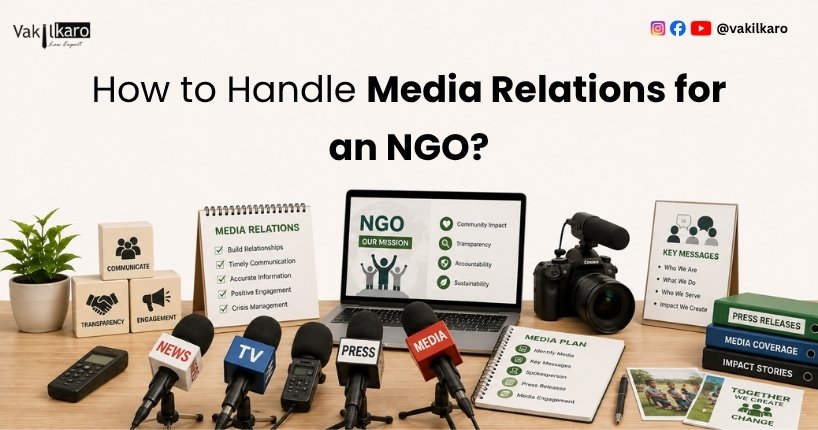
For NGOs that have undergone the NGO registration process and secured 12A and 80G registration, strong media relations offer additional value. Media relations are an essential pillar of success for any non-governmental organization (NGO), especially in a competitive, information-saturated world.
In today’s digital age, effective media relations are essential for NGOs to build visibility, attract donors, and showcase impact. Whether operating under NGO registration or Section 8 company registration, organizations benefit from strategic communication with press and digital platforms. Media coverage reinforces public trust, highlights compliance with 12A and 80G registration, and supports fundraising and advocacy efforts. From crafting press releases and building journalist relationships to managing crises and leveraging social media, handling media requires planning, consistency, and legal awareness. This blog explores key strategies to help NGOs enhance their media presence and stay aligned with legal and ethical standards.
Key Takeaways
- Building strong relationships with journalists who report on development issues is equally important, as is creating a comprehensive media kit with your NGO registration, Section 8 documents, and 12A/80G certificates.
- Whether your organization is structured as a trust, society, or has opted for Section 8 company registration, understanding how to manage media relations can significantly enhance your ability to fulfill your mission.
- For NGOs that have undergone the NGO registration process and secured 12A and 80G registration, strong media relations offer additional value.
- Media relations are an essential pillar of success for any non-governmental organization (NGO), especially in a competitive, information-saturated world.
- In short, whether your NGO is newly registered or long-established, structured as a trust, society, or Section 8 company, media relations are a powerful tool to elevate your impact and secure sustained support.
Mastering Media Relations: A Guide for NGOs to Boost Visibility and Trust
In today’s digitally driven world, media relations play a pivotal role in helping NGOs build visibility, credibility, and public trust. It goes far beyond issuing press releases or seeking event coverage—effective media engagement has become an essential part of an NGO’s strategy to amplify its mission, attract funding, and influence policy. Whether your organization is registered as a trust, society, or through Section 8 company registration, strategic media handling can significantly increase your outreach and overall impact.
For NGOs that have completed the NGO registration process and obtained 12A and 80G registration, engaging the media helps demonstrate transparency and accountability—both of which are crucial for gaining donor confidence and public support. Positive media coverage can validate your legal status and highlight your work in a way that resonates with diverse stakeholders including funders, volunteers, and government bodies.
To effectively manage media relations, NGOs must begin by developing a clear media strategy. This involves identifying target audiences, defining communication goals, and selecting appropriate media platforms—ranging from traditional press to social media. Building strong relationships with journalists who report on development issues is equally important, as is creating a comprehensive media kit with your NGO registration, Section 8 documents, and 12A/80G certificates.
Preparedness is key when interacting with the media. Designating trained spokespersons, crafting compelling press releases, and using simple, impactful language go a long way in securing meaningful coverage. Leveraging digital tools for real-time engagement, storytelling, and crisis communication further strengthens your presence.
By aligning media efforts with legal compliance and organizational objectives, NGOs can not only enhance their visibility but also drive meaningful change. With the right strategy, even smaller NGOs can make a big impact—backed by the credibility that comes from strong media relations and formal registrations.
In today’s hyper-connected and fast-evolving digital landscape, effective media relations are no longer an optional activity for NGOs—they are a core strategic necessity. Gone are the days when media engagement was limited to occasional press releases or event announcements. Now, media relations encompass a wide range of tools and practices that allow NGOs to tell their stories, highlight their impact, and engage meaningfully with diverse audiences. A well-crafted media presence not only increases visibility but also fosters public trust, builds institutional credibility, and can powerfully influence public opinion and policymaking.
Whether your organization is structured as a trust, society, or has opted for Section 8 company registration, understanding how to manage media relations can significantly enhance your ability to fulfill your mission. Media exposure provides a platform to spotlight your causes, showcase the real-world outcomes of your programs, and engage with supporters, stakeholders, and the public at large.
For NGOs that have undergone the NGO registration process and secured 12A and 80G registration, strong media relations offer additional value. Coverage in reputable media outlets reinforces your legitimacy and accountability—two critical factors for attracting donors, corporate CSR partners, and institutional funding. It signals that your organization is transparent, compliant with regulatory frameworks, and actively engaged in community development.
This blog will walk you through the essential steps to build and maintain strong media relations. From developing a targeted media strategy and building relationships with journalists, to preparing impactful press materials and navigating digital platforms, you’ll learn how to effectively tailor your communication efforts. We’ll also discuss how to remain legally compliant under the frameworks of NGO registration, Section 8 incorporation, and 12A and 80G registration. With the right approach, your NGO can elevate its public profile and make a lasting, meaningful impact.
Why Media Relations Matter for NGOs?
Media relations are an essential pillar of success for any non-governmental organization (NGO), especially in a competitive, information-saturated world. For NGOs striving to bring about social change, working closely with media outlets offers a powerful avenue to connect with the public, build credibility, and drive meaningful action. When managed strategically, media engagement becomes more than just visibility—it becomes a catalyst for growth, trust, and long-term impact.
One of the primary benefits of media relations is creating awareness. NGOs often work on complex or underrepresented issues such as poverty, gender justice, climate action, or education reform. By sharing stories, data, and impact narratives through traditional and digital media, NGOs can educate the public, policymakers, and potential partners about the causes they champion.
Equally important is attracting support. Whether through financial donations, grants, or volunteer time, NGOs rely on external support to function. Media exposure increases outreach, helping organizations connect with individuals and institutions that may resonate with their mission. A well-placed feature in a respected news outlet or a viral campaign on social media can significantly boost fundraising and volunteer recruitment efforts.
Another vital function is building credibility. For newly formed NGOs or those recently completing NGO registration or Section 8 company registration, media coverage validates their presence and professionalism. It signals to stakeholders that the organization is active, accountable, and mission-driven.
Media relations also help in demonstrating transparency. Publicizing achievements, goals, and even challenges, along with details of 12A and 80G registration, reflects a culture of openness. This is particularly important for donor confidence, as these registrations grant tax benefits and are tied to regulatory compliance.
Lastly, effective media strategies can support policy influence. NGOs advocating for legal or systemic change can use media to amplify their campaigns, giving voice to the communities they serve and influencing decision-makers.
In short, whether your NGO is newly registered or long-established, structured as a trust, society, or Section 8 company, media relations are a powerful tool to elevate your impact and secure sustained support.
Step 1: Develop a Media Strategy
Before reaching out to the press, your NGO must develop a strategic communication plan. This includes:
- Identifying Your Target Audience: Donors, beneficiaries, policymakers, or the general public?
- Setting Goals: Are you aiming to raise funds, attract volunteers, or promote a campaign?
- Crafting Key Messages: Align them with your mission, vision, and legal credibility—mention your NGO registration status and any 12A or 80G approvals to show compliance.
- Choosing the Right Channels: Traditional media (TV, newspapers), digital outlets (blogs, podcasts), and social media.
Step 2: Build Relationships with Journalists
Just like fundraising, media relations are about building long-term relationships. Here’s how:
- Identify Journalists: Focus on reporters who cover social issues, development, or NGOs.
- Engage Before You Pitch: Comment on their stories, follow them on social platforms, and attend press events.
- Maintain a Media List: Organize contacts with names, beats, and email IDs.
- Be a Reliable Source: Offer accurate, timely, and useful information. Highlight your NGO’s legal structure (trust, society, or Section 8 company) and compliance to establish credibility.
Step 3: Create a Media Kit
A press or media kit acts as a ready-to-use folder for journalists. It should include:
- A brief history of your NGO, its mission, and legal background (include NGO registration details or Section 8 company registration certificate).
- Profiles of key personnel or board members.
- Case studies and success stories.
- Recent press releases.
- 12A and 80G registration certificates to showcase tax exemptions and compliance.
Having a strong media kit makes it easier for reporters to write about your organization, especially when they are on tight deadlines.
Step 4: Craft Newsworthy Press Releases
Journalists get hundreds of emails daily—make yours stand out. Here’s how:
- Use a Clear Headline: It should tell the story in one line.
- Answer the 5Ws and 1H: Who, What, When, Where, Why, and How.
- Include Quotes: Statements from your team or beneficiaries.
- Add Legal Disclaimers: If relevant, state that your NGO is a registered entity under the Section 8 company framework and possesses 12A and 80G registration.
Share it through email, post it on your website, and promote it across social media platforms.
Step 5: Prepare for Interviews and Media Interactions
When your organization gains media attention, be prepared:
- Designate a Spokesperson: Someone articulate, informed, and trained.
- Media Training: Conduct mock interviews, teach body language, and prepare talking points.
- Stay On Message: Reinforce your NGO’s mission, registration status, and the value of public support.
- Avoid Jargon: Use accessible language, especially when discussing Section 8 company registration or 12A/80G benefits.
Consistency in message helps reinforce your brand and makes the interaction memorable.
Step 6: Leverage Digital and Social Media
Mainstream media is important, but don’t underestimate the power of digital:
- Content Calendar: Schedule updates, donor thank-yous, and campaign milestones.
- Storytelling: Share real stories with visuals that emotionally connect with audiences.
- Compliance Posts: Occasionally update your community about your registrations, financial transparency, and legal accountability.
- Live Sessions: Host webinars or Q&As to discuss projects and how your Section 8 company or registered NGO is making a difference.
Social media is also a great tool to attract younger audiences and potential volunteers.
Step 7: Crisis Communication
Things can go wrong. An allegation, mismanagement issue, or even a natural disaster can disrupt your operations. Having a crisis communication plan is crucial:
- Act Quickly and Honestly: Never hide facts. Share what happened, what you’re doing, and how people can help.
- Appoint a Crisis Spokesperson: Someone trained in both communications and legal aspects.
- Leverage Your Legal Standing: If you have Section 8 company registration or 12A/80G status, explain that your NGO operates under strict compliance norms.
Transparency during crises helps protect your reputation.
Step 8: Highlight Impact Metrics
Media outlets and the public are drawn to results. Share the tangible impact of your work:
- Data-Driven Stories: "We educated 1,000 girls last year with just ₹10 lakhs."
- Infographics and Reports: Publish annual reports showing donations received, fund utilization, and compliance with 12A and 80G requirements.
- Showcase External Validations: CSR partnerships, awards, or government collaborations.
Always link impact to your credibility, backed by legal registrations like NGO registration or Section 8 incorporation.
Step 9: Engage in Advocacy Campaigns
Media relations can also amplify your policy advocacy:
- Organize Roundtables and Panels: Invite media to cover these events.
- Submit Op-Eds: Share your views on pressing social issues and what your NGO is doing.
- Use Media to Influence Lawmakers: Especially useful if your NGO works in areas like education, gender justice, or health.
Ensure that any campaign communications reflect your NGO’s registered status and adherence to legal and ethical standards.
Step 10: Measure Media Impact
Finally, measure what’s working:
- Media Monitoring: Track mentions, sentiment, and reach.
- Google Alerts and Analytics: Monitor online presence and traffic sources.
- Feedback from Donors and Stakeholders: Are they aware of your campaigns and registration status?
Document your media reach in your annual report or donor briefings, especially if you're applying for new 80G recognition or CSR funding.
Bonus Tips for Section 8 Companies and Registered NGOs
- Display Legal Credentials: Mention NGO registration, Section 8 company registration, 12A and 80G Registration in all publications and press material.
- Maintain Updated Records: A well-maintained digital repository of certificates, registration documents, and audited statements builds trust.
- Involve Legal Advisors: Especially while making statements on policy or financial issues to stay compliant with regulatory frameworks.
Conclusion
In the dynamic landscape of social work and nonprofit advocacy, media relations are not a one-time effort but a continuous, strategic process that demands consistency, planning, and effective communication. For NGOs in India, where credibility and transparency are key factors for long-term success, managing media relations thoughtfully is crucial. It's not just about promoting events or sharing press releases—it's about building a sustainable reputation, engaging meaningfully with audiences, and influencing both public perception and policy.
Effective media engagement helps NGOs increase visibility, which is essential for educating communities, raising awareness about their mission, and attracting donors, volunteers, and collaborators. It also plays a central role in establishing trust, particularly when the NGO is newly registered or seeking to scale its operations. Stakeholders—be it the public, corporate partners, or government agencies—are more likely to support an NGO that presents itself as transparent, professional, and compliant with legal norms.
For NGOs registered under Section 8 company registration or traditional formats such as trusts or societies, consistently showcasing their compliance with 12A and 80G registration builds credibility and encourages donations by assuring supporters of their legal and financial integrity. These registrations signal that the organization adheres to ethical and financial standards and is eligible for tax-exempt donations—critical elements for long-term fundraising success.
Ultimately, by integrating strong media strategies into their overall organizational planning, NGOs can amplify their voice, extend their outreach, and maximize their impact. Whether through press features, social media campaigns, or crisis communication, every media interaction is an opportunity to reinforce the organization’s values, mission, and legitimacy. In doing so, NGOs not only grow their support base but also contribute to lasting social change across communities.
Why Choose Vakilkaro for Media Compliance and Other Legal Services for Your NGO
When it comes to navigating the legal landscape for NGOs in India, Vakilkaro stands out as a trusted partner, offering a wide range of services tailored specifically for nonprofit organizations. Whether you need assistance with Section 8 company registration, NGO registration, or obtaining 12A and 80G certification, Vakilkaro offers a smooth, expert-led process that ensures full legal compliance—so you can focus on your mission without bureaucratic headaches.
Here's why Vakilkaro is the right choice:
- Expertise in NGO Legalities: Vakilkaro has an experienced team of legal professionals who specialize in nonprofit laws and compliance. From registering your NGO to advising on media-related legal disclosures, they ensure your organization operates within the law.
- End-to-End Legal Services: Beyond registration, Vakilkaro offers assistance with:
- Drafting and vetting MOAs and bylaws
- Filing annual returns and audit reports
- Applying for FCRA licenses for foreign funding
- Trademark registration for NGO branding
- Legal advisory on CSR partnerships and government grants
- Simplified Media Compliance: If your NGO is working to build its public image, Vakilkaro can help ensure that all your media communication—press releases, digital campaigns, annual reports—includes the right legal disclosures, from 12A/80G status to Section 8 compliance mentions.
- Transparent Pricing and Timely Delivery: With affordable packages and milestone-based updates, Vakilkaro ensures no surprises—just smooth legal processes.
- Ongoing Support: Vakilkaro doesn’t stop at registration—they stay with you throughout your journey with legal consultations, document updates, and renewal assistance.
By choosing Vakilkaro, NGOs ensure they are not only legally sound but also positioned to grow with confidence and public trust.
Official External Resources
Use these primary/official sources to verify rules, forms, fees, timelines and regulatory updates before publication.
Frequently asked questions
How to Handle Media Relations for an NGO?+
For NGOs that have undergone the NGO registration process and secured 12A and 80G registration, strong media relations offer additional value. Media relations are an essential pillar of success for any non-governmental organization (NGO), especially in a competitive, information-saturated world.