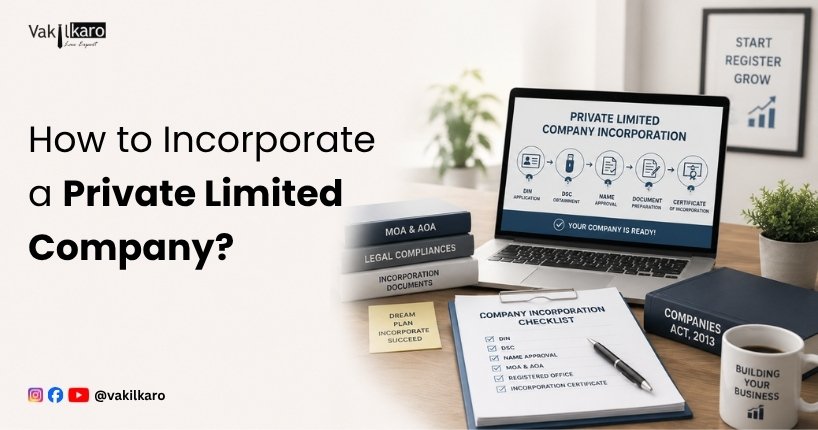
Starting your own company is an exciting venture, and a Private Limited Company (Pvt Ltd) offers ideal benefits like limited liability, brand trust, and investment opportunities. This structure suits startups, NGOs, and consultation businesses alike. From choosing the right company name through a business name search to registering your business online via SPICe+, each step ensures legal compliance and smoother growth. For NGOs, Section 8 company registration with 12A and 80G offers tax benefits. Compared to sole proprietorships and LLPs, Pvt Ltd provides greater security and scalability—making it the best business structure for long-term success and investment readiness.
Key Takeaways
- How to Start Your Company with a Private Limited Structure: A Practical Guide Starting your own company is a significant milestone filled with opportunities, challenges, and rewarding outcomes.
- One of the most preferred and reliable structures in India is the Private Limited Company (Pvt Ltd), known for its benefits such as limited liability, brand credibility, and ease of attracting investors.
- Incorporating a Private Limited Company involves a step-by-step process including company name selection through a business name search or LLC name search, obtaining Digital Signature Certificates (DSC) and Director Identification Numbers (DIN), drafting essential legal documents like the MoA and AoA, and completing the SPICe+ registration form with the Ministry of Corporate Affairs.
- Decide the Structure of Your Business Before anything else, decide if your business should be a: Sole Proprietorship Limited Liability Partnership (LLP) Public Limited Company Private Limited Company Section 8 Company (for NGOs) For businesses looking to scale, protect owners' liability, and gain credibility, a Private Limited Company is often the most suitable.
- Registration Process: The process for Section 8 company registration is similar to that of a Private Limited Company.
How to Start Your Company with a Private Limited Structure: A Practical Guide
Starting your own company is a significant milestone filled with opportunities, challenges, and rewarding outcomes. Whether you're launching a tech startup, a consultation business, or a nonprofit organization, selecting the right business structure is a foundational decision. One of the most preferred and reliable structures in India is the Private Limited Company (Pvt Ltd), known for its benefits such as limited liability, brand credibility, and ease of attracting investors.
Compared to sole proprietorships or even limited liability partnerships (LLPs), a Pvt Ltd company provides a stronger legal framework, ensuring that business owners are not personally liable for the company's debts. This structure is especially ideal for those planning for long-term growth, scalability, and external funding. Entrepreneurs looking to start a small business or expand their brand will also appreciate the formal recognition a Pvt Ltd company receives from clients, vendors, and financial institutions.
Incorporating a Private Limited Company involves a step-by-step process including company name selection through a business name search or LLC name search, obtaining Digital Signature Certificates (DSC) and Director Identification Numbers (DIN), drafting essential legal documents like the MoA and AoA, and completing the SPICe+ registration form with the Ministry of Corporate Affairs. This integrated application process simplifies business registration, including PAN, TAN, and GST if needed.
For nonprofits or charitable ventures, Section 8 company registration offers a suitable alternative under the Companies Act, with benefits such as 12A and 80G registration for tax exemptions. Regardless of the sector, using tools like limited liability company name search and corporate legal services ensures you build a strong foundation from the start.
By carefully choosing your structure and staying compliant, you can launch your business with confidence and long-term success in mind.
Starting your own company is not just a professional decision—it’s a bold leap toward independence, innovation, and long-term growth. Whether you’re dreaming of launching the next big tech startup, offering high-value consultation services, or even setting up a nonprofit organization through Section 8 company registration, the foundation of your success begins with choosing the right business structure.
Out of the many options available—like sole proprietorships, public limited companies, and limited liability partnerships (LLPs)—the Private Limited Company (Pvt Ltd) stands out as one of the most powerful and widely adopted forms of business in India. Its popularity is no coincidence. A Pvt Ltd offers multiple benefits that make it ideal for entrepreneurs who are serious about building a trustworthy, scalable, and legally sound enterprise. With features such as limited liability protection, enhanced brand credibility, better access to funding, and a separate legal identity, it offers a strong and secure starting point for both small and large businesses.
Incorporating a Private Limited Company can seem like a complex process, especially if you're navigating it for the first time. However, with the right knowledge and tools, it becomes a streamlined, step-by-step journey. This blog is designed to guide you through that journey—covering everything from how to name a company name using a business name search or limited liability company name search, to completing your business registration online.
We’ll also introduce you to essential terms that every entrepreneur should know before forming a business, including limited liability corporation, limited liability company, business register procedures, and even how to conduct a business entity search. Whether you want to run a for-profit business or aim for NGO registration with 12A and 80G Registration and exemptions, understanding these fundamentals is your first step toward building a successful and legally compliant business.
Why Choose a Private Limited Company for Your Business?
When starting your own company, selecting the right structure can define how your business grows, how much risk you're exposed to, and how easily you can scale operations. A Private Limited Company (Pvt Ltd) stands out as one of the most strategic choices available to new business owners. It combines the flexibility of a startup-friendly model with the solid legal foundation of a well-established corporate entity.
At its core, a Pvt Ltd company is a limited liability company—this means the personal assets of shareholders are protected, and their liability is restricted only to the value of their shares. This critical feature safeguards business owners from being held personally responsible for company debts or legal issues. It is a stark contrast to sole proprietorships, where the owner is personally liable for all obligations, often risking their savings, property, or other personal assets.
Another major advantage of incorporating as a Pvt Ltd company is the ease of raising capital. Investors, venture capitalists, and financial institutions are more likely to trust and invest in a formally registered business with a separate legal identity and a transparent structure. This makes Pvt Ltd ideal for entrepreneurs who are planning for growth and looking to attract investment in businesses from day one.
In addition to legal and financial security, a Pvt Ltd company boosts brand credibility. It enhances your company’s reputation in the eyes of clients, vendors, and potential partners. Many companies prefer dealing with a registered business rather than an informal or unregistered entity, especially in sectors where compliance and accountability are crucial.
For those starting their own company or planning to grow their business online or offline, a Private Limited Company offers the perfect balance of control, protection, and professionalism. It’s more than a legal status—it’s a launchpad for long-term success.
Step-by-Step Process to Start Your Company
Decide the Structure of Your Business
Before anything else, decide if your business should be a:
- Sole Proprietorship
- Limited Liability Partnership (LLP)
- Public Limited Company
- Private Limited Company
- Section 8 Company (for NGOs)
For businesses looking to scale, protect owners' liability, and gain credibility, a Private Limited Company is often the most suitable.
Choose and Reserve a Company Name
Selecting a unique company name is the foundation of brand identity. Conduct a business name search, name search, or even an LLC name search to ensure the availability of the desired name. This step is crucial as names already in use or violating existing trademarks can lead to rejection.
Use keywords relevant to your product or service, keep it simple, and ensure it aligns with your name for brand strategy.
Once finalized, submit it for approval to the Ministry of Corporate Affairs (MCA).
Obtain Digital Signature Certificate (DSC)
The next step is acquiring DSCs for all directors. This digital key is necessary for signing electronic documents during the incorporation process. It’s secure and ensures authenticity when filing applications online.
Get Director Identification Number (DIN)
Every proposed director must obtain a Director Identification Number (DIN). This unique number is issued by the MCA and acts as an ID for directors of Indian companies.
If you're planning on starting a small company, you’ll usually have two directors, and both will need DINs.
Draft MoA and AoA
The Memorandum of Association (MoA) and Articles of Association (AoA) are essential documents. The MoA outlines your company’s objectives, while the AoA sets the internal rules of operation.
These documents are legally binding and must comply with the Companies Act.
File the SPICe+ Form
This integrated form includes:
- Name reservation
- Incorporation
- DIN allotment
- PAN and TAN application
- GST registration (optional)
SPICe+ makes the business registration process smoother by combining everything in one application. It is perfect for those looking to start up a small business without getting lost in too many steps.
Obtain PAN and TAN
These are critical for tax purposes:
- PAN (Permanent Account Number) is used for financial transactions.
- TAN (Tax Deduction and Collection Account Number) is required if your company is deducting TDS.
Both are automatically applied for in the SPICe+ form, saving time for business owners.
Receive Certificate of Incorporation
Once your application is verified and approved, you will receive your Certificate of Incorporation. This officially recognizes your business as a registered Private Limited Company in India.
Now your limited liability corporation is legally valid and operational.
Apply for Business Licenses (If Required)
Depending on the industry, you may need additional licenses such as FSSAI, Import Export Code (IEC), Shops and Establishment License, etc.
A quick business search will help you identify the licenses your business may require.
Open a Bank Account
Use your Certificate of Incorporation, PAN, and other company documents to open a business bank account. It is vital to separate personal and business finances from day one.
Understanding Section 8 Company Registration
If you're passionate about creating a positive social impact through your business initiatives, Section 8 Company registration under the Companies Act, 2013, offers a powerful and legally recognized route. This structure is specifically designed for non-profit organizations (NGOs) that aim to promote social welfare, education, environmental causes, science, arts, religion, or charitable activities.
Unlike traditional business models focused on generating profit, a Section 8 Company is established with the primary objective of reinvesting its income or donations into fulfilling its core mission—not for distributing profits to its members. It is a recognized and respected business structure for those committed to driving change.
Key Advantages of a Section 8 Company:
- No Minimum Capital Requirement: Unlike other entities, a Section 8 Company does not require a predefined amount of capital to be incorporated. This makes it highly accessible to grassroots-level social entrepreneurs or individuals launching with limited funds.
- Tax Benefits: Once registered, a Section 8 Company is eligible to apply for 12A and 80G registration, which allows donors to claim tax deductions and enables the organization to enjoy tax exemptions on its income—making fundraising easier and more appealing to donors.
- Professional Image: Operating under a registered and regulated structure increases credibility. Government bodies, foreign donors, and corporate sponsors often prefer working with officially recognized Section 8 Companies over informal trusts or societies.
Registration Process:
The process for Section 8 company registration is similar to that of a Private Limited Company. You’ll need to draft a Memorandum of Association (MoA) and Articles of Association (AoA), obtain a Digital Signature Certificate (DSC) and Director Identification Number (DIN), and file the SPICe+ form online through the Ministry of Corporate Affairs (MCA) portal.
While the documentation is similar, the core difference lies in the intent—profit vs. purpose. If your dream is to start an NGO, raise awareness, and create change, registering under Section 8 is the most structured and legally supportive way to do it.
This route allows social entrepreneurs to formalize their efforts, attract funding more effectively, and operate within a framework that protects the mission and promotes long-term sustainability.
Understanding Limited Liability Company (LLC)
In the global context, Pvt Ltd companies are often referred to as Limited Liability Companies (LLCs) or Limited Liability Corporations. These structures allow entrepreneurs to protect personal assets while managing risk and taxes more efficiently.
A limited liability company name search and limited liability company search can help ensure you're not infringing on any existing trademarks, which is especially useful if you're planning to expand your brand internationally.
Comparison: Pvt Ltd vs. Sole Proprietorships and LLPs
This comparison shows why many entrepreneurs choose Pvt Ltd when starting your own company with future scalability and investment in mind.
Tips for Business Owners Starting a Company
- Search Name Business Carefully: A strong name not only builds identity but also avoids future legal troubles.
- Register Your Business Online: The government portal allows complete business on online registration.
- Invest Wisely: Understand your funding needs. Investment in businesses should be backed by a solid business plan.
- Use Corporate Legal Services: Experts can help with everything from documentation to NGO registration.
- Stay Compliant: Annual returns, audits, and board meetings are mandatory for Pvt Ltd companies.
- Maintain Proper Books: Transparency attracts investors and simplifies auditing.
Post-Incorporation Checklist
Once your company is incorporated, don't forget these steps:
- File for GST registration (if required)
- Conduct your first Board Meeting
- Issue share certificates to shareholders
- Maintain statutory registers
- Apply for 12A and 80G registration if you are a Section 8 company
Conclusion
Incorporating a Private Limited Company is not only a legal requirement but a strategic move that opens doors to funding, growth, and protection. From choosing the right company company name to conducting a thorough business entity search, every step lays the foundation of your future success.
Whether you're starting a small company, planning an NGO registration, or searching for the best business to start, the Pvt Ltd route provides structure, credibility, and flexibility. Use tools like business name search, limited liability company name search, and corporate support to ensure a smooth journey.
So, if you're ready to start your company, follow this guide to register it successfully and begin your journey with confidence.
Why Choose Vakilkaro for Section 8 Company Registration and Other Legal Services?
Choosing the right partner for your legal and business needs is essential when starting or managing a company. Vakilkaro has emerged as a trusted name in the field of legal and compliance services in India, offering end-to-end solutions for startups, NGOs, and established businesses alike.
Expertise and Experience Across Business Structures
Vakilkaro has a strong track record of assisting clients with a wide range of business registrations, including:
- Private Limited Company
- Limited Liability Partnership (LLP)
- Public Limited Company
- Sole Proprietorship
- Section 8 Company for NGOs
Whether you're starting your own company for profit or aiming to set up a non-profit organization, Vakilkaro ensures you choose the right structure by assessing your goals, budget, and compliance needs.
Simplified and Hassle-Free Process
Vakilkaro makes the complex business registration process smooth and understandable. From company name search, drafting MoA and AoA, filing the SPICe+ form, to obtaining your Certificate of Incorporation, Vakilkaro takes care of everything. They handle technical tasks like DIN, DSC, and PAN/TAN application, so you can focus on building your brand.
Affordable Pricing
One of the major reasons to go with Vakilkaro is its transparent pricing and affordable packages. Whether it’s Section 8 company registration, NGO registration, or 12A and 80G registration, you receive cost-effective plans tailored to your specific requirements—ideal for startups and small organizations.
Legal Compliance and Ongoing Support
Vakilkaro doesn’t just stop at registration. They offer ongoing support for:
- Tax filings
- Annual compliance
- Trademark registration
- GST filing
- Corporate legal services
Their dedicated experts ensure you remain compliant with Indian laws and avoid penalties or legal complications.
Trusted by Business Owners Across India
With a growing clientele of entrepreneurs, NGOs, and SMEs, Vakilkaro has become a go-to platform for individuals who want reliable, professional, and timely legal solutions.
Quick Turnaround and Digital Convenience
Vakilkaro supports complete business on online processes, saving you time and effort. No need for physical visits—just upload your documents, get on a call with their expert, and let them do the rest.
Official External Resources
Use these primary/official sources to verify rules, forms, fees, timelines and regulatory updates before publication.
Frequently asked questions
How to Incorporate a Private Limited Company?+
Incorporating a Private Limited Company involves a step-by-step process including company name selection through a business name search or LLC name search, obtaining Digital Signature Certificates (DSC) and Director Identification Numbers (DIN), drafting essential legal documents like the MoA and AoA, and completing the SPICe+ registration form with the Ministry of Corporate Affairs. Decide the Structure of Your Business Before anything else, decide if your business should be a: Sole Proprietorship Limited Liability Partnership (LLP) Public Limited Company Private Limited Company Section 8 Company (for NGOs) For businesses looking to scale, protect owners' liability, and.
