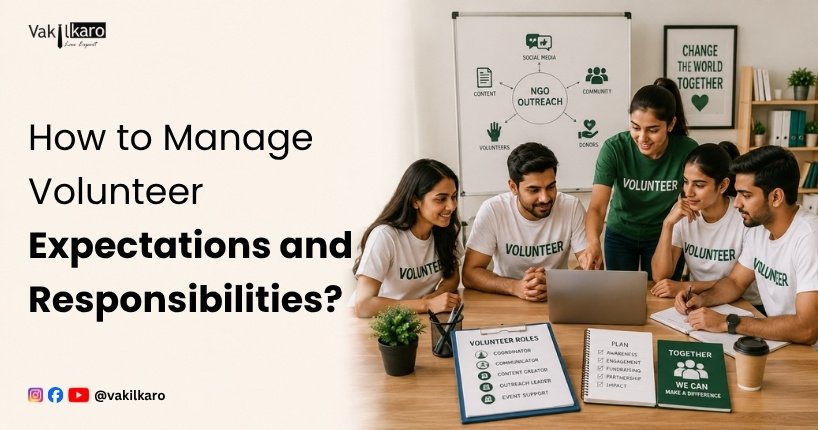
Non-governmental organizations (NGOs) rely heavily on volunteers to achieve their mission in areas like education, human rights, and environmental causes. Managing volunteer expectations is vital for ensuring smooth operations and meaningful engagement. This involves defining clear roles, aligning tasks with volunteer motivations, maintaining open communication, and recognizing their contributions. Compliance with legal requirements—such as NGO registration, Section 8 company registration, and 12A and 80G registration—is equally important to maintain credibility and operational transparency. Through structured onboarding, training, and feedback, NGOs can build a motivated, skilled volunteer base that supports long-term success and enhances the impact of their initiatives.
Key Takeaways
- To maximize their impact and ensure sustainable engagement, NGOs must adopt effective strategies for managing volunteer expectations and responsibilities.
- The key lies in managing volunteer expectations and responsibilities in a way that supports both the volunteers and the NGO's objectives.
- In this blog, we will explore practical and legal strategies to manage volunteer expectations effectively.
- Defining Volunteer Roles and Responsibilities One of the first steps in managing volunteer expectations is defining clear roles and responsibilities.
- Acknowledging and Recognizing Volunteers One of the best ways to manage volunteer expectations is by recognizing their efforts.
Effective Strategies for Managing Volunteer Expectations in NGOs
Volunteers are the driving force behind many non-governmental organizations (NGOs), playing a crucial role in advancing causes like education, human rights, environmental conservation, and social welfare. To maximize their impact and ensure sustainable engagement, NGOs must adopt effective strategies for managing volunteer expectations and responsibilities. This requires clear communication, thoughtful planning, and adherence to legal frameworks such as NGO registration, Section 8 company registration and 12A and 80G registration.
First and foremost, NGOs should invest time in understanding what motivates volunteers—whether it’s the desire to give back, gain experience, or support a particular cause. Aligning their roles with these motivations fosters a sense of purpose and long-term commitment. Clearly defining responsibilities, expected time commitments, and reporting structures prevents confusion and ensures that volunteers know exactly what is required of them.
Setting expectations early on is key to successful collaboration. This includes outlining performance standards, behavioral guidelines, and processes for conflict resolution. By incorporating these expectations into a volunteer orientation or handbook, NGOs create a foundation of mutual understanding and respect.
Regular communication is equally important. Through scheduled check-ins, feedback sessions, and open communication channels, NGOs can offer support, track progress, and adapt roles to suit evolving needs. Recognizing volunteer contributions—whether through public acknowledgment, certificates, or appreciation events—also boosts morale and retention.
Finally, legal compliance must not be overlooked. NGOs must operate within the scope of their legal registrations, including Section 8 company registration and 12A and 80G registration, which provide structure, credibility, and tax benefits. Volunteers should be made aware of these legal standards, especially when involved in sensitive roles such as fundraising.
By combining clarity, recognition, training, and compliance, NGOs can cultivate a reliable and motivated volunteer workforce that significantly enhances their mission and outreach.
Non-Governmental Organizations (NGOs) play an indispensable role in addressing a broad spectrum of societal challenges. From promoting environmental sustainability and upholding human rights to enhancing access to education and healthcare, NGOs often step in where governmental systems fall short. These impactful initiatives would not be possible without the immense contributions of volunteers, who generously offer their time, skills, and passion to further the mission of these organizations.
Volunteers form the backbone of many NGOs, and their support can significantly boost the reach and effectiveness of any project. However, to maintain a successful volunteer program, organizations must do more than simply recruit willing individuals. The key lies in managing volunteer expectations and responsibilities in a way that supports both the volunteers and the NGO's objectives. A lack of clarity, direction, or support can lead to frustration, disengagement, and high volunteer turnover.
To ensure smooth operations and meaningful volunteer engagement, NGOs must take a proactive approach by establishing clear guidelines, providing structured onboarding, and continuously supporting volunteers throughout their journey. Aligning volunteer interests with the organization’s mission and creating an environment of mutual respect and accountability are essential.
Equally important is understanding and complying with the legal and administrative frameworks that govern NGO operations in India. Whether an organization operates as a trust, society, or through Section 8 company registration, compliance with laws such as NGO registration, 12A and 80G registration is crucial. These registrations not only lend credibility and legitimacy to the organization but also influence how volunteers are recruited, managed, and involved in various activities, including fundraising.
In this blog, we will explore practical and legal strategies to manage volunteer expectations effectively. Topics include role definition, communication protocols, performance management, volunteer recognition, and compliance with statutory requirements, ensuring that NGOs can build a strong, motivated, and legally compliant volunteer base.
Understanding Volunteer Motivation
Before diving into managing volunteer expectations, it's essential to understand what motivates volunteers. Volunteers typically participate in NGO activities due to a desire to make a difference, gain skills, expand their network, or contribute to causes they believe in. NGOs need to align these motivations with the organization’s mission and goals.
Setting clear expectations from the outset can help ensure that volunteers feel they are making a meaningful contribution, and that their time and efforts are being valued. Volunteers should be given the chance to express their interests and how they wish to contribute, which allows NGOs to assign tasks that align with both the volunteer’s skills and the organization’s needs.
Defining Volunteer Roles and Responsibilities
One of the first steps in managing volunteer expectations is defining clear roles and responsibilities. A lack of clarity can lead to misunderstandings, frustration, and a sense of unfulfilled purpose. When volunteers are not sure of what is expected of them, their involvement can become unfocused and inefficient.
NGOs should take the time to outline the specific duties and tasks of each volunteer role. This could include:
- Specific Tasks: What will the volunteer be doing on a daily basis? Will they be helping with event organization, fundraising, outreach, or office work?
- Time Commitment: How many hours per week will the volunteer be expected to contribute? Be clear about whether it's a long-term or short-term engagement.
- Reporting and Accountability: Who will the volunteer report to, and what is the communication structure for providing feedback?
By having a defined framework, volunteers know what is expected of them, which helps them feel more confident in their role. Moreover, this structure helps the NGO maintain organization and efficiency.
For instance, an NGO with Section 8 company registration may be working in a more formalized and structured environment, where roles might require specific documentation, reporting, and regulatory compliance. In such a scenario, managing volunteers requires additional attention to adherence to both internal and legal processes.
Setting Clear Expectations from the Start
Clear expectations are essential to managing volunteer engagement effectively. NGOs should establish expectations related to both tasks and behavior. This includes:
- Work Performance: Define the level of professionalism expected from volunteers. This may include punctuality, quality of work, and adherence to deadlines.
- Behavioral Expectations: Volunteers should be aware of the organization’s culture, values, and code of conduct. This includes being respectful, collaborative, and maintaining a positive work ethic.
- Conflict Resolution: Make sure that volunteers know how to deal with conflicts or issues, whether they involve other volunteers or organizational leaders.
Having these expectations spelled out in a volunteer handbook or an initial orientation session ensures that both the volunteers and the organization are on the same page. Volunteers are more likely to remain motivated and committed when they understand what is expected and feel respected within the organization.
Furthermore, NGOs that are NGO registered must also ensure that their volunteer management processes comply with any legal requirements governing the employment or involvement of volunteers, which can vary by region. For example, a Section 8 company registration mandates certain governance and transparency standards that could influence how volunteers are managed and monitored.
Regular Communication and Feedback
Regular communication is key to maintaining a healthy relationship between volunteers and the NGO. Clear, open communication helps ensure that both parties understand each other’s expectations and any evolving needs.
Key communication strategies include:
- Onboarding and Orientation: Provide volunteers with a structured orientation that covers their roles, the organization's mission, and the values they should uphold.
- Regular Check-ins: Schedule regular check-ins with volunteers to provide feedback and understand any challenges they might be facing. This can be done through one-on-one meetings or group updates.
- Open Feedback Channels: Allow volunteers to provide feedback on their experiences, and be open to making changes based on their input. This can foster a sense of ownership and make them feel valued.
For example, volunteers with a 12A and 80G registration status (which provides NGOs with tax benefits and credibility in fundraising) may have specific goals tied to the sustainability of the organization. Regular communication ensures they know the impact of their contributions and how it relates to the organization’s mission.
By maintaining transparency and communication, NGOs can minimize misunderstandings and avoid potential conflicts with volunteers.
Acknowledging and Recognizing Volunteers
One of the best ways to manage volunteer expectations is by recognizing their efforts. Acknowledging volunteers’ hard work boosts morale, reinforces their commitment, and fosters a sense of achievement.
NGOs can recognize their volunteers in several ways:
- Public Acknowledgement: This could include recognizing volunteers during events, on social media, or in newsletters. Public recognition helps reinforce their value within the organization.
- Certificates of Appreciation: Providing volunteers with a certificate or award can be a meaningful way to show appreciation for their time and effort.
- Celebration Events: Organize events or gatherings to thank volunteers for their contributions. These events can help build a sense of community within the organization.
Recognition also plays a crucial role in volunteer retention. Volunteers who feel appreciated are more likely to continue their involvement with the organization. In turn, this allows the NGO to build a consistent and dedicated pool of volunteers who are well-aligned with its mission.
Legal and Compliance Considerations for Volunteers
NGOs must be mindful of the legal and regulatory frameworks that govern their operations, especially when working with volunteers. Compliance with laws related to NGO registration, Section 8 company registration, and 12A and 80G registration is crucial, as any violations could impact the organization’s legitimacy and operations.
- NGO Registration: NGOs must be legally registered to ensure they can operate within the legal framework of their jurisdiction. Volunteers should be aware that their work is being conducted under an official, legally recognized entity.
- Section 8 Company Registration: If an NGO is registered as a Section 8 company, it will need to follow the Companies Act, 2013, and may need to file annual reports and ensure that volunteers are working in compliance with these regulations.
- 12A and 80G Registration: These tax exemptions allow NGOs to accept donations and offer tax benefits to donors. Volunteers who are involved in fundraising may need to understand these exemptions to comply with tax regulations.
It is important for NGOs to clarify how these registrations impact their volunteer activities, especially when volunteers are involved in fundraising or other compliance-heavy roles.
Training and Development Opportunities
Providing training and development opportunities for volunteers is an excellent way to ensure that they are well-equipped to handle their responsibilities. Training can include:
- Skill Development: Offering training on specific skills such as project management, communication, or leadership can help volunteers grow professionally.
- Sector-Specific Knowledge: Provide training on the issues the NGO is tackling, such as climate change, human rights, or health care, so volunteers understand the broader impact of their work.
Offering development opportunities not only benefits the volunteers but also strengthens the organization by building a highly skilled volunteer base.
Handling Volunteer Burnout
Volunteer burnout is a real challenge. Volunteers, especially those involved in demanding projects, may face fatigue or a decline in motivation. Managing this requires:
- Balanced Workload: Ensure that volunteers are not overwhelmed with tasks and that their workload remains manageable.
- Encourage Time Off: Encourage volunteers to take breaks and step back when needed to maintain their long-term enthusiasm.
- Provide Support Systems: Create a supportive environment where volunteers feel comfortable discussing their challenges or concerns.
By addressing burnout proactively, NGOs can maintain volunteer satisfaction and ensure long-term success in managing volunteer efforts.
Conclusion
Volunteers are truly the heart and soul of many non-governmental organizations (NGOs), often serving as the driving force behind impactful projects and community-based interventions. Their commitment, energy, and diverse skill sets significantly contribute to the success and sustainability of various social initiatives, whether in education, health, environmental conservation, or human rights. However, this valuable contribution can only be sustained through effective management of their expectations and responsibilities.
To cultivate a productive and rewarding volunteer experience, NGOs must adopt a structured approach that includes transparent communication, well-defined roles, ongoing training, and consistent recognition. Volunteers thrive in environments where they feel respected, heard, and aligned with the organization's mission. This is especially important for NGOs operating under formal structures like Section 8 company registration, where regulatory standards, governance, and accountability are integral to daily operations.
Legal compliance plays a critical role in this process. Ensuring that the organization has proper NGO registration, along with 12A and 80G registration, not only enhances credibility but also ensures that volunteer-related activities, particularly those involving fundraising or public engagement, are conducted within a legally sound framework. These registrations also provide important tax benefits and build trust with stakeholders, including donors and volunteers.
Moreover, well-managed volunteer programs foster long-term engagement. Volunteers who feel appreciated and clearly understand their responsibilities are more likely to stay committed and become ambassadors for the organization’s work. This, in turn, strengthens the NGO’s reach, reputation, and overall impact.
In essence, managing volunteer expectations is not just about task delegation—it’s about building a culture of mutual respect, clarity, and purpose. With thoughtful planning, legal diligence, and a commitment to volunteer development, NGOs can create enduring partnerships that benefit not only their causes but also the dedicated individuals who help bring their vision to life.
Why Choose Vakilkaro for NGO and Legal Services?
Choosing the right legal partner is crucial when setting up and managing an NGO or navigating the complexities of legal compliance. Vakilkaro stands out as a trusted and comprehensive legal service provider, offering end-to-end support for NGOs, startups, and businesses across India. Here's why Vakilkaro is the preferred choice:
Expertise in NGO and Section 8 Company Registration
Vakilkaro has a team of experienced legal professionals who specialize in NGO registration, Section 8 company registration, and Trust and Society registration and its’formation. Whether you're starting a new non-profit or formalizing your structure, Vakilkaro ensures your registration is completed efficiently, with full legal compliance under applicable Indian laws.
Comprehensive 12A and 80G Registration Support
Obtaining 12A and 80G registration is critical for NGOs to avail tax exemptions and attract credible donors. Vakilkaro simplifies the application process and handles all documentation, helping NGOs gain the financial and legal recognition needed to operate transparently and sustainably.
FCRA Compliance and Advisory
For NGOs seeking international donations, compliance with the Foreign Contribution Regulation Act (FCRA) is essential. Vakilkaro provides step-by-step assistance in obtaining FCRA registration and helps ensure ongoing compliance with regulatory requirements, reducing the risk of legal issues.
Personalized Legal Assistance
Vakilkaro offers tailor-made legal solutions to meet your specific organizational needs. From drafting MOUs, contracts, and bylaws, to offering legal opinions and advisory on operational matters, you get a dedicated legal partner committed to your mission.
Affordable and Transparent Pricing
Vakilkaro provides high-quality legal services at competitive and transparent pricing. With no hidden fees and a strong focus on customer satisfaction, they ensure a hassle-free legal experience from start to finish.
Digital, Fast, and Reliable Service
Vakilkaro leverages digital tools to provide quick turnaround times without compromising accuracy. Most services are handled online—saving time, reducing paperwork, and offering nationwide support.
One-Stop Legal Solution
Beyond NGO services, Vakilkaro also offers a wide range of legal and compliance solutions including:
- Business registration (Private Limited, LLP, OPC)
- Trademark and IP services
- GST registration and filing
- Legal documentation
- Compliance audits and filings
Official External Resources
Use these primary/official sources to verify rules, forms, fees, timelines and regulatory updates before publication.
Frequently asked questions
How to Manage Volunteer Expectations and Responsibilities?+
To maximize their impact and ensure sustainable engagement, NGOs must adopt effective strategies for managing volunteer expectations and responsibilities. The key lies in managing volunteer expectations and responsibilities in a way that supports both the volunteers and the NGO's objectives.
