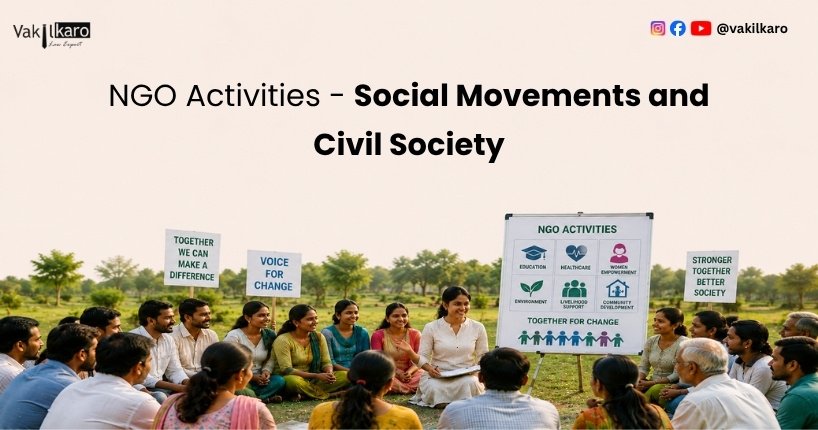
Non-Governmental Organizations (NGOs) play a crucial role in addressing social, economic, and environmental challenges through various initiatives, advocacy, and direct community engagement. Their activities range from providing education, healthcare, and disaster relief to promoting gender equality, human rights, and environmental sustainability. NGOs are instrumental in driving social movements and influencing policy reforms to create a more equitable society. To operate legally and effectively, NGOs must undergo proper NGO registration, with Section 8 Company Registration being the most preferred for structured governance. Additionally, obtaining 12A and 80G registration is essential for securing tax exemptions and attracting donations for sustainable operations.
Key Takeaways
- Their involvement in social movements and civil society has helped drive significant changes in policies, governance, and public awareness.
- This blog explores the diverse NGO activities, their role in social movements, and their contribution to civil society.
- Non-Governmental Organizations (NGOs) form a crucial part of civil society by addressing social issues that may be neglected by the government or private enterprises.
- Through these initiatives, NGOs enhance the effectiveness of civil society, ensuring sustainable development and social justice while empowering individuals to actively participate in governance and community development.
- Society Registration (Societies Registration Act, 1860): Societies are membership-based organizations engaged in social, cultural, and scientific activities.
The Role of NGOs in Social Development and Legal Compliance
Non-Governmental Organizations (NGOs) play an essential role in addressing societal, economic, and environmental challenges through advocacy, direct intervention, and policy influence. These organizations work across various sectors, including education, healthcare, gender equality, and environmental sustainability, ensuring marginalized communities receive the support they need. Their efforts contribute to raising awareness, promoting social justice, and driving long-term policy changes that create a more equitable and inclusive society.
The activities of NGOs extend beyond charitable work; they also focus on grassroots activism, capacity building, and mobilizing resources for large-scale impact. Many NGOs actively participate in social movements, advocating for human rights, environmental conservation, and governance reforms. Through structured initiatives, they empower individuals and communities, making a significant impact on social development.
To operate effectively and legally, NGOs must undergo proper NGO registration under recognized legal frameworks. One of the most preferred structures is Section 8 Company Registration as it ensures structured governance, credibility, and access to various funding opportunities, including government grants and Corporate Social Responsibility (CSR) contributions. Additionally, NGOs seeking financial sustainability and donor support must obtain 12A and 80G registration, which allows tax exemptions on income and provides tax benefits to donors, encouraging more contributions.
Despite their critical role, NGOs face challenges such as funding constraints, regulatory hurdles, and legal compliance complexities. Partnering with legal experts like Vakilkaro can help NGOs navigate the registration process, ensure adherence to legal requirements, and maintain operational efficiency. By following the right legal procedures and implementing well-structured management strategies, NGOs can continue to create meaningful change, advocate for social justice, and drive impactful community development initiatives.
Non-Governmental Organizations (NGOs) play a crucial role in addressing societal issues, advocating for human rights, and supporting marginalized communities. Their involvement in social movements and civil society has helped drive significant changes in policies, governance, and public awareness. The activities of NGOs range from grassroots activism to large-scale humanitarian efforts, making them integral to social progress.
NGOs engage in various functions, including education, healthcare, environmental conservation, women empowerment, and disaster relief. To operate legally and efficiently, NGOs must complete their NGO registration through appropriate legal structures such as Trust Registration Society Registration, or Section 8 Company Registration. Additionally, obtaining 12A and 80G registration ensures tax exemptions for NGOs and incentivizes donations from individuals and corporations.
This blog explores the diverse NGO activities, their role in social movements, and their contribution to civil society.
Understanding NGO Activities
The activities of NGOs encompass a wide range of sectors and initiatives. Their work extends beyond charitable services, often engaging in advocacy, research, policy influence, and direct community support. Below are key areas where NGOs contribute significantly:
Education and Skill Development
One of the primary NGO activities is improving access to education and skill development. Many NGOs establish schools, provide scholarships, and run literacy programs, especially in underprivileged areas. They also work on vocational training and career counseling, empowering individuals with employable skills.
Key Initiatives:
- Establishing schools and learning centers
- Conducting teacher training programs
- Running digital literacy and skill development workshops
- Advocating for education policies
Healthcare and Public Health Initiatives
NGOs play a vital role in healthcare, focusing on both preventive and curative measures. Many organizations run free medical camps, health awareness programs, and initiatives to combat malnutrition and communicable diseases.
Key Initiatives:
- Organizing health camps and vaccination drives
- Spreading awareness about hygiene and sanitation
- Running hospitals and health clinics for marginalized communities
- Supporting mental health and wellness programs
Women Empowerment and Gender Equality
Many NGOs actively work to promote gender equality and empower women by advocating for their rights, providing vocational training, and helping women become financially independent.
Key Initiatives:
- Providing legal aid and protection for women facing domestic violence
- Conducting self-defense training and awareness programs
- Supporting female entrepreneurship and employment opportunities
- Promoting women’s participation in politics and leadership roles
Environmental Protection and Sustainability
With the rise in environmental concerns, NGOs are actively involved in conservation efforts, climate change mitigation, and promoting sustainable practices.
Key Initiatives:
- Afforestation and reforestation programs
- Waste management and recycling awareness campaigns
- Advocacy for climate-friendly policies
- Water conservation and clean energy initiatives
Disaster Relief and Humanitarian Assistance
NGOs play a crucial role in providing immediate aid and long-term rehabilitation support in disaster-stricken areas.
Key Initiatives:
- Providing emergency relief supplies (food, water, shelter, and medical aid)
- Assisting in rebuilding infrastructure and homes
- Conducting disaster preparedness training
- Offering psychological support for affected individuals
NGOs and Social Movements
NGOs have historically played a significant role in social movements aimed at bringing systemic change. Whether fighting for civil rights, environmental conservation, or gender equality, NGOs serve as a catalyst for movements that demand justice and policy reforms.
Human Rights and Social Justice Movements
Many NGOs are actively involved in advocating for human rights, protecting vulnerable groups, and working toward social justice.
Notable Contributions:
- Fighting against child labor and human trafficking
- Promoting freedom of speech and democratic rights
- Supporting marginalized communities in legal battles
- Engaging in international human rights advocacy
Environmental and Climate Movements
With growing environmental concerns, NGOs have played a critical role in pushing for policy changes and spreading awareness about climate issues.
Notable Contributions:
- Leading campaigns against deforestation and pollution
- Advocating for renewable energy solutions
- Fighting against industrial environmental damage
- Engaging in global climate change dialogues
Gender Equality and LGBTQ+ Rights
NGOs have been instrumental in advocating for gender rights, including support for the LGBTQ+ community, equal pay, and protection against discrimination.
Notable Contributions:
- Advocating for legal protection of LGBTQ+ rights
- Providing safe spaces and support groups for marginalized individuals
- Conducting awareness programs to eliminate gender-based violence
- Promoting women’s and LGBTQ+ participation in leadership roles
Civil Society and the Vital Role of NGOs
Civil society comprises various independent organizations and institutions that work beyond government control to promote social welfare, human rights, and community development. Non-Governmental Organizations (NGOs) form a crucial part of civil society by addressing social issues that may be neglected by the government or private enterprises. They act as a bridge between communities and policymakers, advocating for change and ensuring that citizens' voices are heard in governance and development processes.
Strengthening Democracy and Governance
A well-functioning democracy requires active citizen participation, transparency, and government accountability. NGOs play a significant role in strengthening democratic processes by educating citizens, advocating for policy reforms, and ensuring that government programs are implemented effectively. Through research, activism, and legal interventions, NGOs hold governments accountable for their policies and expenditures.
Key Activities:
- Voter Awareness Campaigns: NGOs organize programs to educate citizens about their voting rights, the importance of elections, and how to make informed electoral choices.
- Policy Advocacy: By engaging with lawmakers, NGOs help draft and push for policy changes that promote social justice, economic equity, and human rights.
- Monitoring Government Programs: NGOs track public funds and government initiatives to ensure they are effectively utilized for community welfare.
- Promoting Civic Engagement: They encourage citizens to participate in decision-making processes, from local governance to national policymaking.
Encouraging Community Development
At the grassroots level, NGOs work directly with communities to improve living conditions by enhancing education, employment opportunities, and healthcare services. They focus on empowering individuals by equipping them with skills and resources to achieve self-sufficiency.
Key Activities:
- Establishing Self-Help Groups (SHGs): NGOs create SHGs to support small-scale entrepreneurs, particularly women and marginalized groups, to promote financial independence.
- Supporting Small Businesses and Entrepreneurship: By providing microfinance, skill training, and mentorship programs, NGOs help individuals start and sustain their businesses.
- Improving Access to Essential Services: NGOs work to ensure communities have access to clean water, sanitation, healthcare, and educational resources.
- Running Community Training Programs: Capacity-building initiatives empower individuals with technical skills, financial literacy, and leadership development to drive community-led progress.
Through these initiatives, NGOs enhance the effectiveness of civil society, ensuring sustainable development and social justice while empowering individuals to actively participate in governance and community development.
Legal Requirements for NGOs in India
For NGOs to function legally and effectively in India, they must comply with specific legal requirements that establish their legitimacy and allow them to access funding and operational benefits. Proper registration not only ensures transparency and accountability but also enhances the organization's credibility, making it eligible for government and corporate grants, tax exemptions, and donor contributions.
NGO Registration Methods
NGOs in India can be registered under three primary legal structures, each governed by different laws:
- Trust Registration (Indian Trusts Act, 1882): Suitable for charitable and religious organizations, trusts operate with a board of trustees and focus on long-term philanthropic activities. This structure is commonly used for educational institutions, orphanages, and healthcare initiatives.
- Society Registration (Societies Registration Act, 1860): Societies are membership-based organizations engaged in social, cultural, and scientific activities. They require a minimum of seven members to register and must operate with democratic governance. This structure is often chosen by NGOs working in research, advocacy, and welfare programs.
- Section 8 Company Registration (Companies Act, 2013): Section 8 companies are nonprofit organizations registered under the Ministry of Corporate Affairs They benefit from structured governance, higher credibility, and the ability to attract corporate grants and CSR (Corporate Social Responsibility) funding. Unlike trusts and societies, Section 8 companies are closely regulated and require compliance with financial reporting standards, making them a preferred choice for large-scale NGOs.
Importance of 12A and 80G Registration
To receive tax benefits and encourage donations, NGOs must obtain specific tax-related registrations under the Income Tax Act.
- 12A Registration: NGOs registered under 12A are granted a complete tax exemption on their income, allowing them to utilize funds more effectively for social initiatives without tax deductions.
- 80G Registration: This registration provides tax benefits to donors by allowing them to claim deductions on their donations. It incentivizes corporate and individual contributions, thereby increasing the NGO’s funding potential.
By ensuring proper NGO registration and obtaining 12A and 80G certification, organizations can strengthen their financial sustainability, attract donors, and enhance their impact on society.
Challenges Faced by NGOs
Despite their significant contributions to social development, NGOs encounter several obstacles that hinder their efficiency and growth. These challenges range from financial constraints to regulatory complexities and human resource issues. Overcoming these hurdles is crucial for NGOs to sustain their impact and fulfill their mission effectively.
Lack of Funding
One of the most pressing challenges NGOs face is insufficient financial resources. NGOs primarily depend on donations, government grants, and Corporate Social Responsibility (CSR) funds to sustain their operations. However, securing consistent funding is difficult due to economic fluctuations, changing donor priorities, and competition among NGOs. Limited funding restricts their ability to expand programs, hire skilled professionals, and invest in long-term sustainability initiatives. Many small and grassroots NGOs struggle to maintain basic operational costs, forcing them to rely on short-term projects instead of developing sustainable solutions.
Regulatory and Compliance Issues
NGOs must comply with multiple legal and financial regulations, which can be complex and time-consuming. Essential legal processes, such as NGO registration, Section 8 Company Registration and obtaining 12A and 80G registration, require thorough documentation and periodic renewals. Non-compliance with these regulations can result in financial penalties or even the cancellation of an NGO’s registration status. Additionally, the lack of awareness or expertise in handling these legalities often leads to administrative difficulties, diverting focus from social work to bureaucratic processes.
Government Restrictions
Many NGOs, particularly those receiving foreign funding, face scrutiny and regulatory restrictions. The Foreign Contribution Regulation Act (FCRA) governs the acceptance of foreign donations in India, and obtaining FCRA approval is a complex process. In some cases, NGOs have had their foreign funding suspended due to non-compliance or political scrutiny. These restrictions create operational challenges, as many NGOs rely on international grants to implement large-scale social programs. Government regulations can also limit advocacy efforts, making it difficult for NGOs to push for policy changes on critical social issues.
Volunteer Retention
NGOs often rely on volunteers to execute their programs effectively. However, retaining committed volunteers and skilled professionals is a significant challenge. Many volunteers join NGOs for short-term projects, making it difficult to maintain continuity in long-term initiatives. Additionally, NGOs often lack the financial resources to offer competitive salaries and benefits, leading to high staff turnover. The demanding nature of social work, coupled with limited incentives, can result in burnout among employees and volunteers. Ensuring proper training, motivation, and career growth opportunities is essential for retaining a dedicated workforce.
Conclusion
Non-Governmental Organizations (NGOs) serve as catalysts for social transformation, playing a crucial role in addressing pressing global and local challenges. Through grassroots activism, policy advocacy, and direct intervention, NGOs contribute significantly to various sectors, including education, healthcare, environmental sustainability, and human rights. Their ability to mobilize communities, influence policy decisions, and implement welfare programs makes them an integral part of civil society.
However, to maximize their impact and ensure long-term sustainability, NGOs must operate within a structured legal and financial framework. Proper NGO registration is essential for establishing legitimacy, enhancing credibility, and securing support from donors, government bodies, and corporate entities. Among the available legal structures, Section 8 Company Registration is often preferred due to its well-defined governance model and ability to attract funding through Corporate Social Responsibility (CSR) initiatives. Additionally, obtaining 12A and 80G registration allows NGOs to benefit from tax exemptions, making it easier to receive financial contributions from individuals and organizations while offering tax deductions to donors.
Despite their noble mission, many NGOs struggle with regulatory compliance, financial sustainability, and administrative complexities. Navigating legal requirements, managing financial records, and ensuring compliance with statutory obligations can be overwhelming, particularly for smaller organizations with limited resources. This is where professional legal service providers, such as Vakilkaro play a crucial role. By offering expert guidance on NGO registration, Section 8 Company Registration, and tax exemption registrations like 12A and 80G, Vakilkaro simplifies the legal processes, allowing NGOs to focus on their core mission without bureaucratic burdens.
As the world continues to face economic, social, and environmental challenges, the role of NGOs remains indispensable. By ensuring proper legal compliance, securing financial stability, and adopting efficient governance structures, NGOs can strengthen their operations and expand their impact, ultimately driving meaningful and lasting social change.
Why Choose Vakilkaro for NGO and Legal Services?
Vakilkaro is a trusted legal service provider that specializes in assisting NGOs, startups, and businesses with seamless compliance and registration processes. Whether you are looking to establish an NGO, register under Section 8 Company Registration, or secure 12A and 80G registration for tax benefits, Vakilkaro offers expert guidance to ensure a smooth and hassle-free experience.
Key Reasons to Choose Vakilkaro:
- Expert Legal Consultation: Vakilkaro has a team of experienced legal professionals who specialize in NGO laws, corporate compliance, taxation, and regulatory affairs. Their in-depth expertise ensures accurate guidance for NGO registration, tax exemptions, and governance.
- Comprehensive NGO Services: From NGO registration under Trust, Society, or Section 8 Company to obtaining 12A and 80G registration, Vakilkaro provides end-to-end support. They assist NGOs in structuring their operations efficiently while ensuring compliance with all legal formalities.
- Hassle-Free Documentation: Legal paperwork can be complex and time-consuming. Vakilkaro simplifies the process by handling document preparation, submission, and follow-ups, ensuring that your NGO meets all regulatory requirements without delays.
- Affordable and Transparent Pricing: Vakilkaro offers cost-effective legal solutions with clear and upfront pricing. Their services cater to NGOs and startups with budget-friendly plans, making legal compliance accessible for all.
- Timely and Efficient Service: Understanding the importance of time in legal matters, Vakilkaro ensures quick and reliable service delivery, helping NGOs and businesses complete registrations and compliance processes without unnecessary delays.
- Dedicated Support: Vakilkaro provides personalized assistance to clients, guiding them through the legal complexities of running an NGO or business. Their commitment to customer satisfaction ensures smooth and stress-free legal compliance.
Other Legal Services Provided by Vakilkaro
In addition to NGO registration and compliance services, Vakilkaro offers a wide range of legal solutions, including:
- Company & Business Registration: Private Limited Company Registration LLP Registration, One-Person Company (OPC) Registration, and Partnership firm registration.
- Trademark & Intellectual Property Services: Trademark registration copyright protection, and patent filing.
- Tax & Compliance Services: GST registration filing, tax advisory, and corporate compliance.
- Legal Documentation: Drafting contracts, agreements, and legal notices.
- RBI & Financial Compliance: Assistance with RBI licenses, microfinance company registration, and financial legalities.
Whether you are setting up an NGO, a business, or need legal support for compliance and taxation, Vakilkaro provides reliable and professional services, ensuring that your organization operates smoothly and legally.
Official External Resources
Use these primary/official sources to verify rules, forms, fees, timelines and regulatory updates before publication.
Frequently asked questions
NGO Activities - Social Movements and Civil Society+
Their involvement in social movements and civil society has helped drive significant changes in policies, governance, and public awareness. This blog explores the diverse NGO activities, their role in social movements, and their contribution to civil society.
