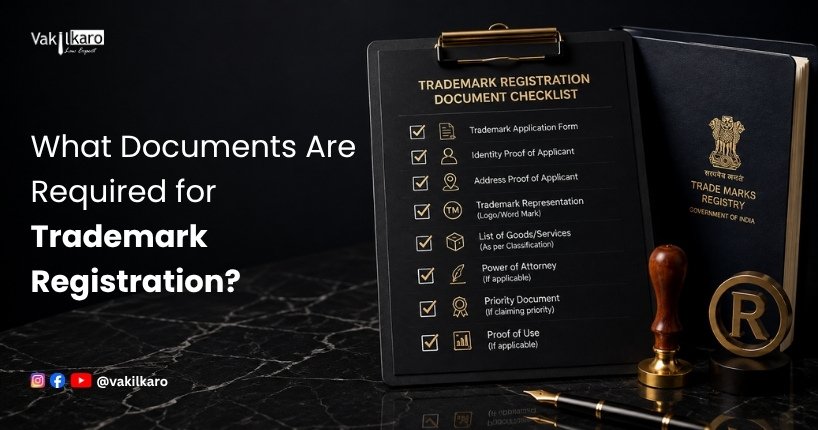
Protecting your brand through trademark registration is crucial in today’s competitive market. Whether you want to register a logo, register a trademark online, or secure a business name, the right documentation is essential. Trademark registration grants legal protection, exclusive rights, and brand recognition, preventing unauthorized use by others. Key documents required include identity proof, business registration certificates, a trademark representation (logo or wordmark), business description, address proof, and Power of Attorney if applying through an agent. Proper documentation ensures a hassle-free process, safeguarding your intellectual property. For smooth registration, consult professionals specializing in trademark and copyright registration.
Key Takeaways
- Key documents required include identity proof, business registration certificates, a trademark representation (logo or wordmark), business description, address proof, and Power of Attorney if applying through an agent.
- Ensuring all required documents are correctly submitted helps streamline the trademark registration process, reducing the risk of delays or objections.
- This blog will serve as a comprehensive guide on the essential documents required for trademark registration.
- Basic Documents Required for Trademark Registration To register a trade mark, the applicant needs to submit several key documents to ensure a successful application.
- Step 3: Prepare the Trademark Application Gather all the required documents for trademark registration and fill out Form TM-A.
Essential Documents for Trademark Registration
In today’s competitive business landscape, safeguarding your brand identity is crucial. One of the most effective ways to do this is by registering a trademark. Whether you want to register a logo, register a trademark online, or protect a business name, having the necessary documents in place is essential for a smooth registration process. A registered trademark grants legal protection, exclusive ownership rights, and brand recognition, preventing unauthorized use by competitors.
To successfully apply for trademark registration certain key documents must be submitted. The most important among them include identity proof (such as a PAN Card, Aadhaar Card, or Passport), business registration certificates for companies and partnerships, and address proof like a utility bill or voter ID. Additionally, if you are registering a logo trademark, you must submit a high-resolution image of the logo in black and white. If an agent or attorney is filing on your behalf, a Power of Attorney (Form TM-48) must also be provided.
Apart from these basic documents, the application must include a business description and the correct trademark class under which the business operates. Choosing the wrong class can lead to limited protection or rejection of the application. Furthermore, if the trademark has been previously used, proof of prior usage—such as invoices or promotional materials—must be attached.
Ensuring all required documents are correctly submitted helps streamline the trademark registration process, reducing the risk of delays or objections. Additionally, businesses may also consider copyright registration to protect creative elements such as logos, graphics, and branding materials. Seeking professional guidance can further simplify the process, ensuring compliance with legal requirements and safeguarding intellectual property.
In today’s highly competitive business landscape, establishing a strong brand identity is essential for long-term success. With thousands of businesses emerging every day, ensuring that your brand name, logo, and unique identity remain protected from unauthorized use is crucial. One of the most effective ways to secure your brand legally is through trademark registration. A registered trademark not only provides exclusive rights over your brand elements but also helps in maintaining credibility, recognition, and legal security against infringement.
Whether you wish to register a logo, register a trademark online, or safeguard your brand’s identity, the process requires proper documentation. Many businesses fail to recognize the importance of submitting the correct documents, which can lead to delays, objections, or even rejection of the trademark application. Ensuring that you have the necessary paperwork ready before initiating the process will make the entire registration procedure smooth and hassle-free.
This blog will serve as a comprehensive guide on the essential documents required for trademark registration. From identity proof and business registration certificates to power of attorney and proof of prior use, we will cover every crucial aspect needed for a successful application. Additionally, we will explore how the documentation requirements may vary based on the type of applicant—be it an individual, partnership firm, private limited company or NGO.
Why Register a Trademark?
In the business world, branding plays a significant role in establishing a company’s identity. A trademark is a unique identifier—such as a symbol, word, phrase, or design—that sets a business apart from its competitors. It serves as a distinctive representation of a company’s products or services, making it easier for consumers to recognize and trust a brand.
Registering a trademark provides businesses with legal protection, ensuring that their brand remains safeguarded from unauthorized use. Without proper trademark registration, competitors or third parties may use similar brand names, logos, or symbols, causing confusion among consumers and potentially harming the reputation of the original brand. By securing a trademark, businesses can prevent infringement, maintain brand exclusivity, and establish a strong market presence.
Key Benefits of Trademark Registration
- Legal Protection: Registering a trademark provides exclusive rights to the brand owner, preventing others from using similar marks that could mislead customers. If infringement occurs, legal action can be taken against unauthorized use.
- Exclusive Rights: A registered trademark grants ownership of the mark, ensuring that no other business can claim or use it without permission. This exclusivity strengthens brand value and market position.
- Brand Recognition: Trademarks contribute to consumer trust and credibility by making the brand easily recognizable. A distinctive logo or brand name helps customers associate quality and reliability with a business.
- Asset Creation: A registered trademark is not just a legal protection tool—it is a valuable business asset. It can be licensed, franchised, or even sold to generate revenue, making it a long-term investment for business growth.
- Nationwide Protection: Trademark registration ensures legal recognition across India, allowing businesses to operate confidently without the risk of brand duplication or misuse in different regions.
Basic Documents Required for Trademark Registration
To register a trade mark, the applicant needs to submit several key documents to ensure a successful application. These include:
Identity and Business Proof of the Applicant
The type of identity and business proof required depends on the applicant:
- Individual or Proprietor: PAN Card, Aadhaar Card, or Passport.
- Partnership Firm: Partnership Deed and PAN Card of the firm.
- Company (Private Limited, LLP, or Section 8 NGO): Certificate of Incorporation, PAN Card of the company.
- Trust or Society: Registration Certificate and PAN Card.
Trademark Representation (Logo or Wordmark)
A high-resolution image of the logo (if applicable) in black and white format must be submitted. If the applicant only wants to register a wordmark (business name), no logo is required.
Business Description and Trademark Class
The applicant must provide a brief description of business activities and choose the appropriate trademark class. There are 45 trademark classes – Classes 1-34 cover goods, and Classes 35-45 cover services.
Address Proof of the Applicant
Documents like Aadhaar Card, Voter ID, Passport, or utility bills can be submitted as address proof.
Power of Attorney (Form TM-48)
If an agent or attorney is filing the application on behalf of the applicant, a Power of Attorney (POA) – Form TM-48 must be signed and submitted.
Proof of Claim (If Applicable)
If the applicant has already used the trademark before applying, evidence of prior use must be provided. This could include invoices, advertising materials, or domain name registration documents.
Additional Documents for Different Types of Applicants
For Individuals or Sole Proprietors
Individuals can apply for a trademark in their personal capacity. The documents required include:
- PAN Card and Aadhaar Card.
- Logo (if applicable).
- Business description and trademark class.
- Power of Attorney (if applying through an agent).
For Partnership Firms & LLPs
- Partnership Deed.
- PAN Card of the firm.
- Logo (if applicable).
- Business description and trademark class.
- Power of Attorney (if applying through an agent).
For Companies (Private Limited, Public Limited, or One-Person Company)
- Certificate of Incorporation.
- PAN Card of the company.
- Logo (if applicable).
- Business description and trademark class.
- Board resolution authorizing a person to apply.
- Power of Attorney (if applying through an agent).
For NGOs, Trusts, and Societies
- Registration Certificate of the entity.
- PAN Card of the entity.
- Logo (if applicable).
- Power of Attorney (if applying through an agent).
Step-by-Step Process to Register a Trademark Online
To register a trademark online, follow these steps:
Step 1: Conduct a Trademark Search
Before applying, conduct a trademark search on the IP India website www.ipindia.nic.in to check for existing similar trademarks.
Step 2: Choose the Right Class
Select the appropriate trademark class based on your business activities.
Step 3: Prepare the Trademark Application
Gather all the required documents for trademark registration and fill out Form TM-A.
Step 4: File the Trademark Application Online
Submit the application through the IP India Trademark Filing Portal and pay the applicable fee.
Step 5: Examination by the Trademark Office
The Trademark Office examines the application and issues an Examination Report.
Step 6: Trademark Publication
If no objections arise, the trademark is published in the Trademark Journal for 4 months.
Step 7: Opposition Period
During this period, third parties can oppose the registration.
Step 8: Trademark Registration & Certificate Issuance
If no opposition is received, the trademark is registered, and a Trademark Registration Certificate is issued.
Copyright Registration vs. Trademark Registration
Many businesses opt for copyright registration alongside trademark registration to safeguard creative works. The key differences include:
If you want to register a logo, register a trade mark, or register a trademark online, considering copyright registration for creative elements like graphics and packaging can provide comprehensive protection.
Common Mistakes to Avoid in Trademark Registration
- Not Conducting a Proper Trademark Search – This may lead to rejection if a similar trademark exists.
- Choosing the Wrong Class – Registering under the wrong class limits protection.
- Using Generic or Descriptive Words – Such trademarks may not be granted.
- Delaying Renewal – Trademarks must be renewed every 10 years.
- Not Monitoring for Trademark Infringements – Unauthorized use must be monitored and addressed.
Conclusion
The trademark registration process involves several legal and procedural steps, and one of the most crucial aspects is ensuring that all necessary documents are in place. Proper documentation helps streamline the application process, reducing the risk of delays or rejections. Whether you aim to register a logo, register a trade mark, or register a trademark online, having the right paperwork ensures a hassle-free experience.
Every trademark application is reviewed by the Trademark Office, and incomplete or incorrect documentation can lead to objections or rejections. The documents submitted verify the applicant’s identity, business ownership, and trademark details, helping authorities validate the uniqueness of the trademark. Additionally, they serve as legal proof of ownership, which can be useful in case of disputes or infringement claims in the future.
The basic documents required for trademark registration include:
- Identity Proof (PAN Card, Aadhaar Card, or Passport for individuals)
- Business Proof (Partnership Deed, Certificate of Incorporation, or GST Registration for companies)
- Trademark Representation (High-resolution logo or wordmark)
- Power of Attorney (If an agent is filing on behalf of the applicant)
Apart from trademark registration, businesses dealing with creative elements such as logos, packaging designs, and advertising materials should consider copyright registration. While a trademark protects a brand name or logo, copyright safeguards artistic and original works from being copied. Combining both trademark and copyright registration provides comprehensive protection for a business’s intellectual property.
Why Choose Vakilkaro for Its Wide Range of Services?
Vakilkaro stands out as a trusted legal and business solutions provider, offering expert assistance in various areas, including NGO registration tax compliance, intellectual property protection, and financial advisory. Whether you need help with registering a business, obtaining licenses, or ensuring legal compliance, Vakilkaro provides seamless and cost-effective solutions tailored to your needs.
Key Reasons to Choose Vakilkaro:
- Comprehensive Legal Expertise – Vakilkaro’s team of experienced professionals offers expert guidance on GST compliance trademark registration, business licensing, and regulatory filings to ensure your business runs smoothly.
- One-Stop Solution for Businesses – From company incorporation (Private Limited, LLP, OPC) to intellectual property protection (trademark, copyright, and patent registration), Vakilkaro covers all essential legal services under one roof.
- Efficient Tax & Compliance Support – Ensuring tax compliance is critical for businesses. Vakilkaro assists with GST registration filing, tax advisory, and financial reporting, helping you stay compliant with regulatory requirements.
- Seamless Documentation & Filing – Handling legal paperwork can be complex, but Vakilkaro simplifies the process by ensuring accurate documentation, timely filings, and hassle-free processing for company registration, tax filings, and legal agreements.
- Expert Assistance in Microfinance & NBFC Registration – For businesses in the financial sector, Vakilkaro provides specialized services, including microfinance company registration RBI licensing, and NBFC compliance support.
- Affordable & Transparent Pricing – Vakilkaro offers cost-effective solutions with no hidden charges, ensuring affordable legal services for startups, entrepreneurs, and established businesses.
- Personalized Customer Support – Vakilkaro’s dedicated customer support team provides prompt assistance, answering queries and offering legal guidance tailored to your business needs.
Official External Resources
Use these primary/official sources to verify rules, forms, fees, timelines and regulatory updates before publication.
Frequently asked questions
What Documents Are Required for Trademark Registration?+
Key documents required include identity proof, business registration certificates, a trademark representation (logo or wordmark), business description, address proof, and Power of Attorney if applying through an agent. Ensuring all required documents are correctly submitted helps streamline the trademark registration process, reducing the risk of delays or objections.
