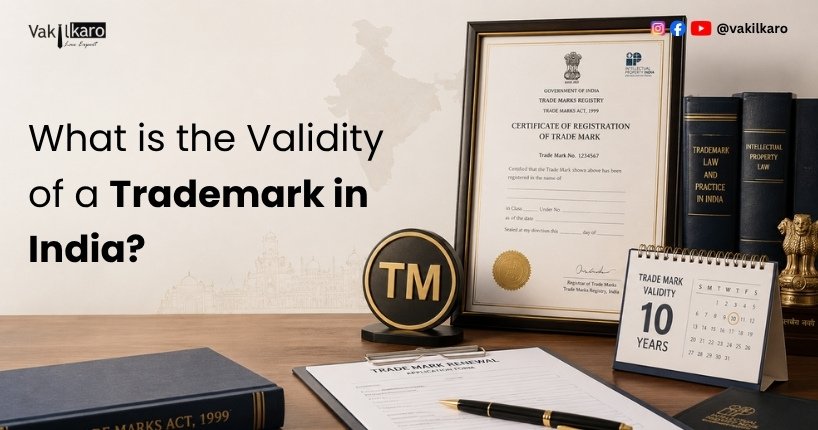
A trademark is a valuable asset that safeguards a brand's identity, logo, and slogans from unauthorized use. In India, trademarks are governed by the Trade Marks Act, 1999, with an initial validity of 10 years, renewable indefinitely. The renewal process involves filing Form TM-R before expiration or within a grace period with a late fee. Trademark assignment allows ownership transfer, while trademark objections may arise due to conflicts or legal issues. Businesses can register a brand, secure logo trademark registration, and apply for a trademark online through the IP India portal, ensuring long-term protection and legal exclusivity for their brand.
Key Takeaways
- Understanding Trademark Validity and Protection in India A trademark is a crucial intellectual property asset that protects a brand’s identity, including its name, logo, and slogan, from unauthorized use.
- This blog explores the validity period of a trademark, renewal procedures, trademark assignment trademark objections, and the process to apply for trademark online.
- Validity of a Trademark in India Once registered, a trademark in India is valid for 10 years from the date of application.
- Therefore, businesses must keep track of their trademark validity to ensure continuous brand protection.
- Validity: Copyright lasts for the creator's lifetime plus 60 years; a trademark is valid for 10 years but can be renewed indefinitely.
Understanding Trademark Validity and Protection in India
A trademark is a crucial intellectual property asset that protects a brand’s identity, including its name, logo, and slogan, from unauthorized use. In India, trademarks are regulated by the Trade Marks Act, 1999, which grants exclusive rights to the owner. Once registered, a trademark remains valid for 10 years from the date of application and can be renewed indefinitely to maintain its legal protection.
To continue holding rights over a trademark, owners must renew it before expiration by submitting Form TM-R along with the required fee. If renewal is not completed on time, an additional grace period of six months is provided with a late fee. Failure to renew the trademark even after this period can lead to its removal from the register, making it vulnerable to infringement. However, restoration is possible within one year of expiration by filing Form TM-13.
Trademark assignment allows the transfer of ownership from one party to another. This is common during mergers, acquisitions, or business restructuring. Trademark Assignments can be complete (full ownership transfer) or partial (limited to specific products/services). To formalize the process, Form TM-P must be submitted to update ownership records.
Trademark objections can arise if the registrar finds the application similar to an existing mark or non-compliant with legal requirements. To resolve objections, applicants must respond with justifications, and if necessary, attend hearings to defend their case.
Businesses can register a brand and obtain logo trademark registration to secure exclusive rights. The government provides an option to apply for a trademark online through the IP India portal, streamlining the process. Ensuring timely renewal and addressing objections strengthens brand protection, enhancing credibility and market value in a competitive business environment.
A trademark is a crucial asset for businesses, protecting brand identity, logos, slogans, and distinctive symbols from unauthorized use. It grants the owner exclusive rights to use the mark and prevents competitors from misusing it. In India, trademarks are governed by the Trade Marks Act, 1999, and their validity is an essential aspect that businesses must understand. This blog explores the validity period of a trademark, renewal procedures, trademark assignment trademark objections, and the process to apply for trademark online.
Validity of a Trademark in India
Once registered, a trademark in India is valid for 10 years from the date of application. To maintain its protection, the trademark owner must renew it every 10 years indefinitely. Failing to renew the trademark can result in its removal from the registry, making it vulnerable to unauthorized use by competitors. Therefore, businesses must keep track of their trademark validity to ensure continuous brand protection.
Trademark Renewal Process
Trademark renewal is necessary to maintain the exclusive rights associated with a brand name or logo. The trademark renewal process can be initiated six months before the trademark expires. If the owner fails to renew within this period, they get an additional six months grace period, but with a late fee.
Steps to Renew a Trademark
- Filing a Renewal Application: The owner must submit Form TM-R along with the prescribed fee to the Trademark Registry.
- Review by Registrar: The registrar examines the application and ensures that there are no conflicts or objections.
- Trademark Renewal Confirmation: If there are no issues, the registrar renews the trademark for another 10 years.
- Trademark Publication: The renewal is published in the Trademark Journal as official confirmation.
If the owner fails to renew the trademark even after the grace period, the registrar may remove it from the Trademark Register. However, the owner can restore the trademark by filing Form TM-13 within one year of expiration, subject to an additional fee.
Trademark Assignment and Transfer
Trademark assignment refers to transferring ownership rights from one party to another. This is common in business mergers, acquisitions, or brand sales. The assignment can be full (complete transfer of ownership) or partial (transfer limited to certain goods/services).
Types of Trademark Assignment
- Complete Assignment: Full rights of the trademark are transferred to the assignee.
- Partial Assignment: Rights are transferred for specific goods/services.
- With Goodwill Assignment: The assignee gets rights along with the brand’s reputation.
- Without Goodwill Assignment: The assignee can use the trademark but not in association with the goodwill of the original business.
To officially register a trademark assignment, Form TM-P must be filed with the required details and fees. The registry will review and update ownership records accordingly.
Trademark Objection: A Common Hurdle
A trademark objection occurs when the registrar finds the application conflicting with existing trademarks or violating the law. Objections can be raised for various reasons, such as similarity to an existing mark, lack of distinctiveness, or offensive nature.
Steps to Handle a Trademark Objection
- Examination Report Issued: The registrar issues an objection notice.
- Filing a Response: The applicant must reply within 30 days by submitting a counterstatement explaining why the trademark should be registered.
- Hearing: If the response is not satisfactory, a hearing is scheduled where the applicant can present arguments.
- Acceptance or Rejection: If the registrar is convinced, the mark proceeds to publication. Otherwise, it gets rejected, and the applicant may file an appeal.
If your application faces an objection, seeking expert assistance can help navigate the process effectively.
Register a Brand: Importance and Process
Registering a brand protects its uniqueness and prevents others from using similar names or logos. It grants legal recognition and exclusive ownership rights.
Steps to Register a Brand in India
- Conduct a Trademark Search: Before applying, it is crucial to ensure that no similar trademarks exist.
- Prepare an Application: The applicant must provide details like logo, brand name, category of goods/services, and the applicant’s details.
- Submit Application Online: Using the Trademark Registry's online portal, one can apply for a trademark online.
- Examination and Publication: The registrar reviews the application and, if approved, publishes it in the Trademark Journal.
- Trademark Registration Certificate: If no opposition arises within four months of publication, the trademark is officially registered, granting exclusive rights to the owner.
Logo Trademark Registration
A logo represents a brand's identity and is one of the most protected intellectual properties. Logo trademark registration ensures that the logo remains exclusive to the business, preventing others from using similar designs.
Steps for Logo Trademark Registration
- Design a Unique Logo: The logo should be distinctive and not similar to existing trademarks.
- Trademark Search: Verify its uniqueness through a trademark database search.
- File an Application: Submit Form TM-A online or offline with details like logo design and business information.
- Application Review: The registrar examines the logo and ensures it complies with trademark laws.
- Publication and Approval: If no objections arise, the logo gets published and registered.
A registered logo strengthens brand recognition and legal security against trademark infringement
Apply for Trademark Online: The Digital Route
The Indian government has simplified trademark registration through an online trademark application system. This allows businesses to apply for a trademark online without visiting physical offices.
How to Apply for a Trademark Online?
- Visit the IP India Website: The official Intellectual Property India (IP India) portal provides a digital trademark filing system.
- Create an Account: Register an account as an individual, business, or legal entity.
- Fill Form TM-A: Enter details like trademark type (wordmark, logo, slogan), class of goods/services, and applicant details.
- Upload Documents: Required documents include business registration proof, logo (if applicable), and Power of Attorney (if filed through an attorney).
- Pay Fees and Submit: The application fee varies based on entity type (₹4,500 for individuals/startups and ₹9,000 for companies).
- Track Application Status: The system provides real-time tracking of the application’s progress.
Applying for a trademark online saves time, reduces paperwork, and offers transparency in the registration process.
Online Process of Copyright Registration vs. Trademark Registration
Both copyright and trademark registration protect intellectual property but serve different purposes. Copyright safeguards original literary, artistic, musical, and cinematic works, while trademark registration protects brand names, logos, and slogans used in commerce. Below is a comparison of their online registration processes in India.
Online Process for Copyright Registration
- Visit the Official Website: Go to the Copyright Office portal https://copyright.gov.in
- Create an Account: Register as a new user on the portal.
- Fill the Application (Form XIV): Provide details such as the nature of the work, title, applicant details, and description.
- Upload Required Documents: Submit a copy of the work, author details, NOC (if applicable), and a Power of Attorney (if filed through an attorney).
- Payment of Fees: Pay the prescribed fee based on the category of work.
- Diary Number Issued: After submission, a diary number is generated for tracking purposes.
- Examination and Objection Handling: The Copyright Office reviews the application, and objections (if any) must be addressed within 30 days.
- Registration Certificate: If no objections arise or they are successfully resolved, the copyright is registered, and a certificate is issued.
Online Process for Trademark Registration
- Access the IP India Portal: Visit the official trademark registration site https://ipindia.gov.in
- Create a User ID: Register an account as an individual or business entity.
- Conduct a Trademark Search: Check the database to ensure the chosen mark is unique.
- Fill Form TM-A: Provide details such as the trademark name/logo, class of goods/services, and applicant information.
- Upload Necessary Documents: Submit business registration proof, logo (if applicable), and Power of Attorney (if filed by an agent).
- Pay Fees and Submit Application: The fee varies (₹4,500 for individuals/startups and ₹9,000 for companies).
- Examination and Publication: The registrar examines the application, and if approved, it is published in the Trademark Journal for public opposition.
- Trademark Registration Certificate: If no opposition arises within four months, the trademark is officially registered.
Key Differences
- Purpose: Copyright protects creative works; trademarks protect brand identity.
- Validity: Copyright lasts for the creator's lifetime plus 60 years; a trademark is valid for 10 years but can be renewed indefinitely.
- Process Complexity: Trademark registration involves publication and potential opposition, while copyright registration mainly requires verification.
Both processes can be completed online, ensuring ease and legal protection for intellectual property owners.
Conclusion
Trademark validity in India is initially 10 years, and renewal is essential to maintain brand protection. Businesses must stay vigilant about renewal deadlines, handle trademark objections effectively, and ensure a smooth trademark assignment process when transferring ownership. Whether registering a brand name, securing logo trademark registration, or seeking trademark renewal, a structured approach ensures long-term benefits.
For hassle-free trademark registration, always apply for a trademark online and consult legal experts to safeguard your intellectual property. A valid trademark strengthens brand identity, offers legal protection, and enhances business credibility, making it a valuable asset in today’s competitive market.
Why Choose Vakilkaro for Trademark Registration and Related Services?
Vakilkaro is a trusted legal services provider offering expert assistance in GST registration NGO registration and private limited company registration With a team of experienced professionals, Vakilkaro ensures a smooth and hassle-free process for businesses and individuals seeking trademark protection Their services include step-by-step guidance, document preparation, and legal representation to safeguard intellectual property rights effectively.
Official External Resources
Use these primary/official sources to verify rules, forms, fees, timelines and regulatory updates before publication.
Frequently asked questions
What is the Validity of a Trademark in India?+
Understanding Trademark Validity and Protection in India A trademark is a crucial intellectual property asset that protects a brand’s identity, including its name, logo, and slogan, from unauthorized use. This blog explores the validity period of a trademark, renewal procedures, trademark assignment trademark objections, and the process to apply for trademark online.
