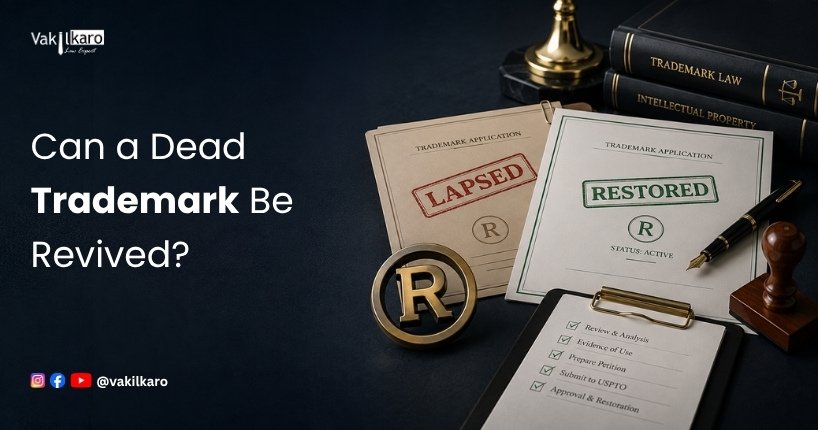
A trademark is a vital business asset, representing a company's identity and ensuring legal protection for its brand elements. However, trademarks can become "dead" due to non-renewal, non-use, or legal disputes. Reviving a dead trademark requires understanding the abandonment reason and following legal procedures, such as filing a petition for revival or reapplying for registration. Conducting a registered trademark search or trademark registration search is crucial before taking action. Similar processes apply to reviving dead patent and copyright registrations. Proactively maintaining trademarks by filing trademark online and monitoring renewal deadlines helps businesses safeguard their intellectual property assets effectively.
Key Takeaways
- However, despite its importance, a trademark can lose its active status and become "dead" or "abandoned" due to various factors, including failure to renew within the required timeframe, prolonged non-use, or legal disputes that challenge ownership or validity.
- When a trademark is marked as dead, business owners often face uncertainty about whether it can be revived.
- In many cases, a dead trademark can be revived, provided the owner follows the necessary legal procedures.
- Reapply for Trademark Registration If the grace period has passed, and the trademark cannot be revived through a petition, the owner may need to reapply for trademark registration This involves filing a new application with the appropriate authorities, ensuring compliance with all legal requirements.
- However, when a trademark is abandoned or marked as "dead," many business owners wonder if it can be revived.
Reviving a Dead Trademark: A Guide to Reclaiming Your Brand Rights
A trademark is a crucial intellectual property asset that protects a business’s brand identity, including its name, logo, or slogan. However, trademarks can become "dead" or "abandoned" due to reasons such as failure to renew, prolonged non-use, or legal disputes. When this happens, business owners often wonder if their trademark can be revived. Fortunately, in many cases, a dead trademark can be restored through a structured legal process.
The first step in reviving a dead trademark is to determine why it was abandoned. If the trademark expired due to non-renewal, many jurisdictions provide a grace period during which the owner can file for renewal by paying the required fees. If abandonment occurred due to non-use, the owner must provide evidence of intent to use the trademark in commerce. Conducting a registered trademark search or trademark registration search helps verify whether the trademark is eligible for revival.
Trademark owners can file a petition for revival with the relevant intellectual property office, explaining the reason for abandonment and submitting proof of use or intent to use. In cases where revival is not an option, the owner may need to reapply for trademark registration Additionally, businesses dealing with expired patents or copyrights may wonder if those can be restored. Similar to trademarks, patent and copyright registrations can often be revived through reinstatement petitions, provided legal requirements are met.
To prevent abandonment, businesses should track renewal deadlines, use trademarks actively, and monitor for unauthorized use. Filing trademark online and keeping up with legal compliance ensures continued protection. By taking the right steps, businesses can successfully revive a dead trademark and maintain their brand’s legal security and market value.
A trademark serves as a vital asset for any business, offering legal protection for its name, logo, or symbol while also strengthening brand identity and consumer trust. By securing exclusive rights, a trademark safeguards a company’s market presence and distinguishes its products or services from competitors. However, despite its importance, a trademark can lose its active status and become "dead" or "abandoned" due to various factors, including failure to renew within the required timeframe, prolonged non-use, or legal disputes that challenge ownership or validity.
When a trademark is marked as dead, business owners often face uncertainty about whether it can be revived. The good news is that, in many cases, abandoned trademarks can be restored through specific legal procedures, provided the necessary steps are followed. The revival process typically involves determining the cause of abandonment, conducting a registered trademark search or a trademark registration search to confirm its status, and filing trademark online for renewal or reinstatement. Additionally, owners may need to demonstrate continued use or intent to use the trademark in commerce.
Beyond trademarks, intellectual property rights such as patents and copyrights can also lapse due to non-compliance with renewal requirements. Many businesses, therefore, ask the critical question: Can a dead patent registration and copyright registration be revived? Just like trademarks, the possibility of restoring these IP rights depends on legal provisions, timelines, and the reason for expiration. This article provides a comprehensive guide on reviving a dead trademark, as well as insights into restoring abandoned patents and copyrights. Understanding these processes can help businesses regain ownership of their intellectual property, protect their brand identity, and maintain their competitive edge in the market.
Understanding a Dead Trademark
A trademark is a legally protected asset that grants exclusive rights to its owner, ensuring brand recognition and consumer trust. However, if the owner fails to maintain the trademark as per legal requirements, it can lose its active status and be declared "dead" or "abandoned." Several factors contribute to a trademark’s abandonment, each carrying significant implications for businesses.
One of the most common reasons a trademark becomes dead is failure to renew. Trademarks require periodic renewal, typically every 10 years, depending on the jurisdiction. If the trademark owner does not file the necessary renewal application and pay the prescribed fees within the stipulated timeframe, the trademark is automatically considered abandoned. Some jurisdictions offer a grace period for late renewals, but if the owner fails to act within this period, reviving the trademark becomes more complex.
Another major cause of abandonment is non-use. Trademark laws in many countries mandate that a registered trademark must be actively used in commerce. If the trademark remains unused for an extended period—usually three to five years—third parties can challenge its validity, leading to its cancellation. In such cases, owners may have to provide evidence of genuine use or intent to use the trademark to prevent its abandonment.
Additionally, legal disputes can render a trademark dead. If a third party challenges the trademark’s ownership or validity and wins the case in court, the original trademark owner may lose their rights, and the mark may be declared abandoned.
Lastly, a trademark can also be marked as dead due to application rejection. If an applicant fails to comply with legal requirements during the trademark registration process—such as responding to office actions, providing necessary documentation, or rectifying objections raised by the trademark office—the application may be abandoned, resulting in the loss of registration rights.
Understanding the reasons behind trademark abandonment is crucial for business owners to prevent unintentional loss of intellectual property. Proper maintenance, timely renewals, and active use in commerce can help ensure the longevity and legal protection of a trademark.
How to Check if a Trademark is Dead?
Before taking steps to revive a trademark, it is crucial to confirm its current status. A trademark may be marked as "dead" or "abandoned" due to various reasons, including non-renewal, non-use, or legal disputes. However, not all abandoned trademarks can be revived, making it essential to conduct thorough research to determine if restoration is possible.
The first step in this process is conducting a registered trademark search or a trademark registration search through the relevant intellectual property (IP) office. Most trademark offices provide online databases where businesses and individuals can check the status of a trademark by entering its registration number, name, or associated details. This search helps determine whether the trademark is officially considered abandoned, if it is still within a grace period for renewal, or if another party has claimed rights over it.
If the search confirms that the trademark is indeed abandoned, the next step is to evaluate whether it can be restored. Some trademarks may be eligible for revival if the abandonment occurred due to failure to renew within the deadline and the owner acts within the grace period set by the trademark office. However, if the abandonment was due to prolonged non-use or legal disputes, revival may require additional legal procedures, such as proving intent to use the trademark or resolving disputes with third parties.
By verifying the trademark’s status before proceeding with revival, business owners can save time and resources while ensuring compliance with trademark laws. If necessary, consulting a trademark attorney or legal expert can help navigate the complexities of restoring an abandoned trademark effectively.
Can a Dead Trademark Be Revived?
In many cases, a dead trademark can be revived, provided the owner follows the necessary legal procedures. The process varies depending on the reason for abandonment, jurisdiction, and time elapsed since the trademark became dead. Below are the steps involved in reviving a trademark:
Assess the Reason for Abandonment
The first step in reviving a trademark is identifying why it became dead. If the abandonment was due to failure to renew, the trademark office might allow a grace period during which the owner can file for renewal. If the abandonment was due to non-use, the owner must provide evidence of intent to use the trademark.
File a Petition for Revival
Many intellectual property offices allow trademark owners to file trademark online to revive a dead trademark. A petition for revival typically includes:
- An explanation of why the trademark was abandoned.
- Evidence of continued use or intent to use the trademark.
- Payment of any necessary renewal or restoration fees.
Reapply for Trademark Registration
If the grace period has passed, and the trademark cannot be revived through a petition, the owner may need to reapply for trademark registration This involves filing a new application with the appropriate authorities, ensuring compliance with all legal requirements.
Prove Continuous Use
To successfully revive a trademark, the owner must prove that the trademark is still in use or that there is a legitimate intent to use it. This can be demonstrated through business records, advertising materials, and other documents showing the trademark in active use.
Respond to Office Actions
If the trademark office issues an office action requesting additional information or clarification, the owner must respond promptly. Failure to do so may result in the rejection of the revival request.
Can a Dead Patent Registration and Copyright Registration Be Revived?
Similar to trademarks, patents and copyrights can also become abandoned or expired. Business owners often ask, "Can a dead patent registration and copyright registration be revived?" The answer depends on the circumstances surrounding the abandonment.
Reviving a Dead Patent Registration
A patent can become abandoned if the owner fails to pay maintenance fees or respond to office actions. However, in many jurisdictions, a petition to revive can be filed, provided the owner can show that the delay in maintenance fee payment was unintentional.
Reviving a Dead Copyright Registration
Unlike patents and trademarks, copyrights generally do not expire unless their legal term has ended. However, if a copyright registration is abandoned due to non-filing of renewal documents (where required), the copyright owner can often reinstate it by submitting a renewal application.
Preventing Trademark Abandonment
To avoid the hassle of reviving a dead trademark, businesses should take proactive steps to maintain their trademarks. This includes:
- Regularly Checking Renewal Deadlines: Setting reminders for trademark renewal dates ensures that owners do not miss deadlines.
- Using the Trademark in Commerce: Continuously using the trademark in business operations strengthens its legal standing.
- Monitoring for Unauthorized Use: Regularly conducting a registered trademark search can help detect trademark infringement or unauthorized use that may impact the trademark’s validity.
Conclusion
A trademark is a vital intellectual property asset that helps businesses establish their brand identity and protect their unique symbols, names, and logos. However, when a trademark is abandoned or marked as "dead," many business owners wonder if it can be revived. Fortunately, reviving a dead trademark is possible, but it requires a thorough understanding of legal procedures and compliance with intellectual property regulations.
The first step in restoring a trademark is determining the reason for its abandonment. If the trademark lapsed due to failure to renew, many trademark offices allow a grace period during which the owner can file a petition for revival and pay any applicable fees. If the trademark was abandoned due to non-use, the owner may need to demonstrate intent to resume use through business records, advertisements, or product packaging. In cases where a trademark was lost due to legal disputes, resolving the conflict or reapplying for registration may be necessary.
Before taking any action, conducting a trademark registration search is essential to confirm the trademark’s current status and assess the chances of revival. If another party has claimed rights over the abandoned trademark, the original owner may face challenges in reclaiming it. Similarly, businesses dealing with expired patents or copyrights often ask, "Can a dead patent registration and copyright registration be revived?" In many cases, patents and copyrights can also be reinstated by filing for renewal or proving unintentional abandonment.
To prevent trademark abandonment in the future, businesses should take proactive steps, such as filing trademark online, regularly monitoring renewal deadlines, and maintaining continuous use of the trademark. By staying compliant with intellectual property laws, businesses can safeguard their brand identity and ensure the long-term protection of their valuable assets.
Why Choose Vakilkaro for Its Comprehensive Legal and Business Services?
Vakilkaro stands out as a trusted legal services provider, offering end-to-end solutions for businesses, startups, and individuals. Whether you need assistance with company registration GST compliance trademark registration, tax advisory, or legal documentation, Vakilkaro simplifies the process with expert guidance and seamless execution.
One of the key reasons to choose Vakilkaro is its personalized approach—each client receives tailored legal solutions based on their unique needs. The platform ensures accuracy, compliance, and efficiency, helping businesses stay legally protected while focusing on growth. Additionally, Vakilkaro provides cost-effective services, making quality legal support accessible to businesses of all sizes.
Beyond company incorporation and compliance, Vakilkaro also specializes in intellectual property protection, including trademark registration, copyright registration, and patent filing. If you're looking to sell, license, or revive a trademark, Vakilkaro’s experts can assist in navigating the legal formalities with ease.
For businesses seeking regulatory approvals, Vakilkaro offers support in obtaining RBI licenses for NBFCs, Section 8 microfinance companies business licenses, and other compliance-related certifications. The firm also provides legal support in mergers, acquisitions, labor law compliance, and dispute resolution.
With a team of experienced legal professionals, a transparent process, and a commitment to client satisfaction, Vakilkaro ensures a hassle-free experience for all legal and business requirements. Whether you are a startup, an established business, or an individual looking for legal assistance, Vakilkaro provides a one-stop solution for all your legal needs.
Official External Resources
Use these primary/official sources to verify rules, forms, fees, timelines and regulatory updates before publication.
Frequently asked questions
Can a Dead Trademark Be Revived?+
When a trademark is marked as dead, business owners often face uncertainty about whether it can be revived. In many cases, a dead trademark can be revived, provided the owner follows the necessary legal procedures.
