Learning Centre
From the Vakilkaro blog
Practical guides on registration, trademark, tax, NGO and compliance — written and reviewed by our legal team.
 Business Registrations
Can a Private Limited Company be Converted into an LLP?
A Private Limited Company can be converted into a Limited Liability Partnership (LLP) under the LLP Act, 2008, by meeting legal requirements. Businesses that have undergone Private Limited Company registration often opt for this transition for lower compliance costs, tax benefits, and operational fl
 Business Registrations
Impact of the death of Shareholder in a Private Limited Company
When a shareholder of a private limited company passes away, the company's structure and operations can be affected significantly. Typically, the deceased's shares would be transferred according to their will or, in the absence of one, by the laws of intestacy. This transfer can lead to changes in o
 Business Registrations
Are there any tax benefits for Private Limited Companies?
Private Limited Companies can take advantage of various tax benefits that enhance their financial efficiency. These may include deductions for operational expenses, exemptions on certain types of income, and tax incentives for investments in specific sectors. Additionally, these companies often bene
 Corporate Advisory
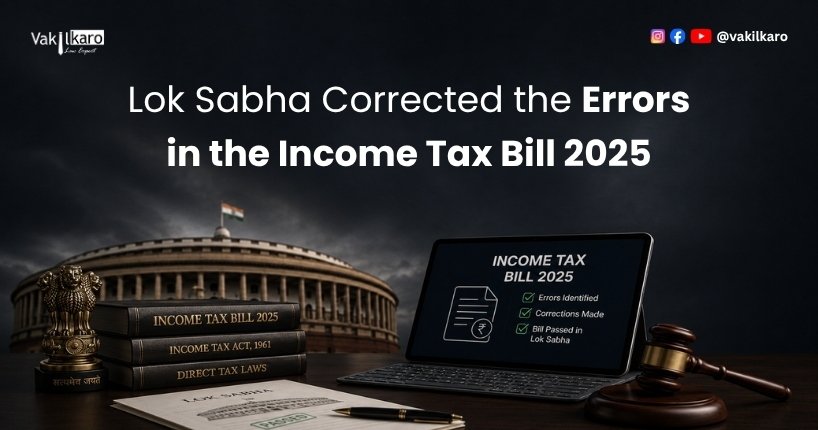
Lok Sabha Corrected the Errors in the Income Tax Bill 2025
The Lok Sabha has issued a corrigendum for the Income Tax Bill, 2025, addressing formatting errors, reference corrections, and legal citation refinements. Key changes include modifying section numbers, correcting typographical errors, and ensuring consistency in terminology. References to the repeal
 Business Registrations
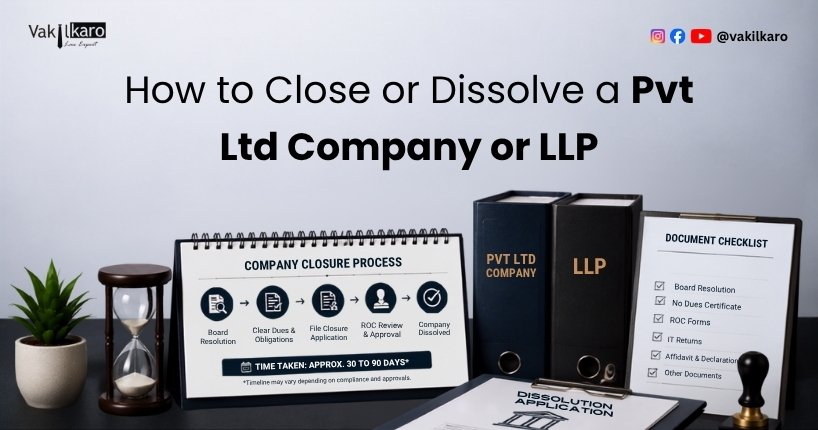
How to Close or Dissolve a Pvt Ltd Company or LLP
Closing a Private Limited Company (Pvt Ltd) or a Limited Liability Partnership (LLP) in India involves legal procedures under the Companies Act, 2013, and LLP Act, 2008. Businesses can opt for voluntary strike-off, liquidation, or tribunal-ordered closure based on financial or strategic reasons. The
 Business Registrations
The Role of a Company Secretary in Private Limited Companies
A Company Secretary (CS) plays a vital role in ensuring legal compliance, corporate governance, and smooth operations in a Private Limited Company. They handle regulatory filings, maintain statutory records, conduct board meetings, and act as a liaison with government authorities like the MCA, SEBI,
 Corporate Advisory
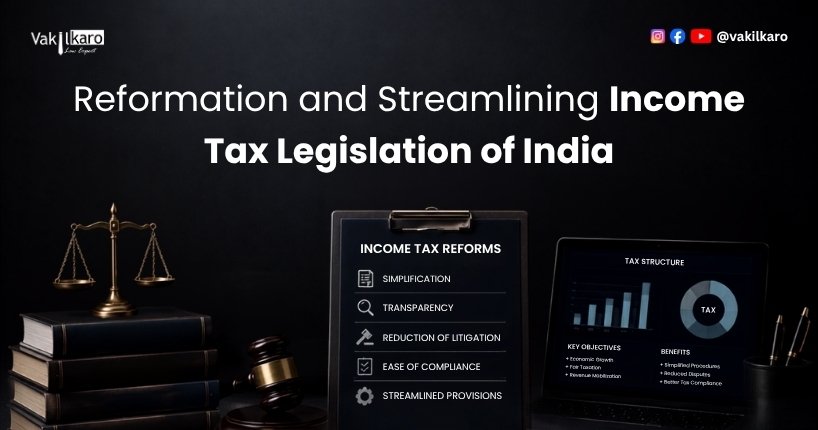
Reformation and Streamlining Income Tax Legislation of India
India's Income Tax Act, 1961, has undergone extensive amendments over the years, making it complex and difficult to navigate. To address these challenges, the government has introduced a new Income Tax Bill aimed at simplifying tax laws, enhancing legal clarity, and ensuring ease of compliance. By e
 NBFC & Finance
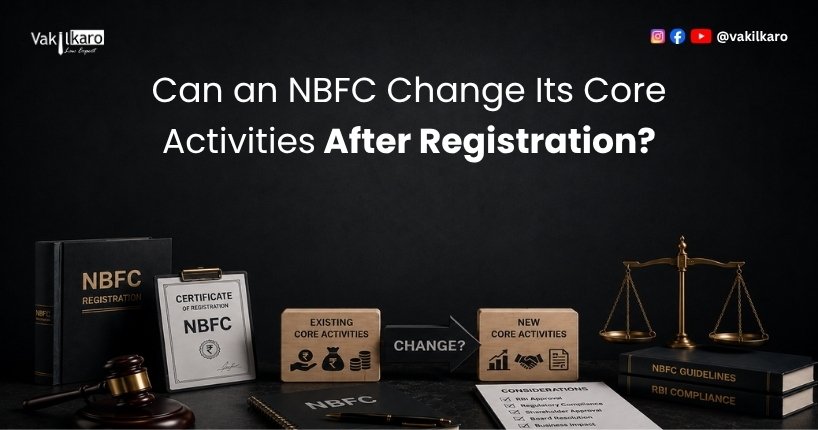
Can an NBFC Change Its Core Activities After Registration?
An NBFC can change its core activities after registration, but it requires approval from the Reserve Bank of India (RBI). The process involves submitting a detailed business plan, financial projections, and a board resolution. The RBI reviews the application to ensure the new activities comply with
 Business Registrations
Can LLP partners be held personally liable?
Limited Liability Partnership (LLP) partners generally enjoy limited liability, meaning they are not personally responsible for the LLP’s debts or obligations. However, there are certain circumstances where partners can be held personally liable. These include situations where a personal guarantee i
 Business Registrations
What happens if an OPC owner wants to sell the business?
When an OPC owner decides to sell the business, they must follow a structured process that includes business valuation, due diligence, and negotiating terms with the buyer. The ownership, assets, and liabilities of the company are transferred, often involving the sale of shares. Key steps include up
Can a Private Limited Company Operate Without a Director?
A Private Limited (Private Limited) company cannot operate without at least two directors, as mandated by the Companies Act, 2013. Directors are essential for governance, compliance, and decision-making, ensuring that the company meets legal obligations like filing annual returns and maintaining fin
 Business Registrations
Private Limited vs Limited Liability Partnership: Tax Differ
The tax differences between a Private Limited Company (Pvt Ltd) and a Limited Liability Partnership (LLP) primarily lie in the way profits are taxed. Pvt Ltd companies are taxed at 30% on profits, and dividend distributions are subject to Dividend Distribution Tax (DDT). They also face Minimum Alter
How Long Does It Take to Register a Company?
The time required to register a company varies based on the business type, country, and completeness of documents. For example, registering a Private Limited Company in India can take 7–15 days, while a Sole Proprietorship may take just 1–3 days. Key steps include obtaining a Digital Signature Certi
 NBFC & Finance
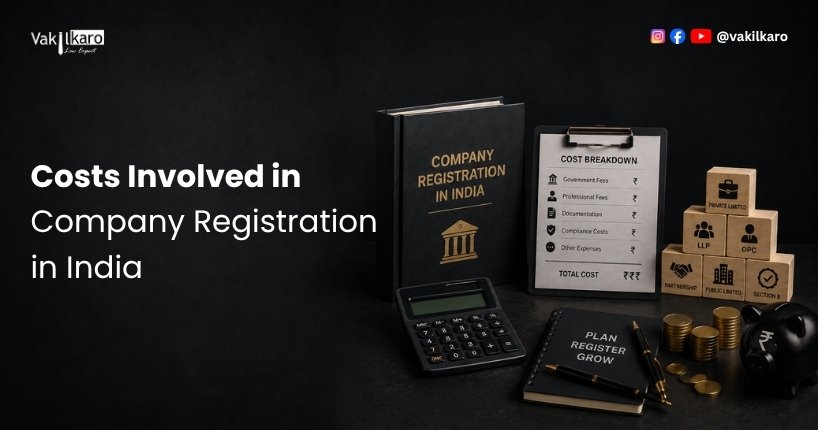
Costs Involved in Company Registration in India
The cost involved in company registration in India involves various costs, including government fees, professional charges, and other expenses depending on the business type. Government fees vary based on authorized capital, with additional costs for digital signature certificates (DSC) and director
 NBFC & Finance
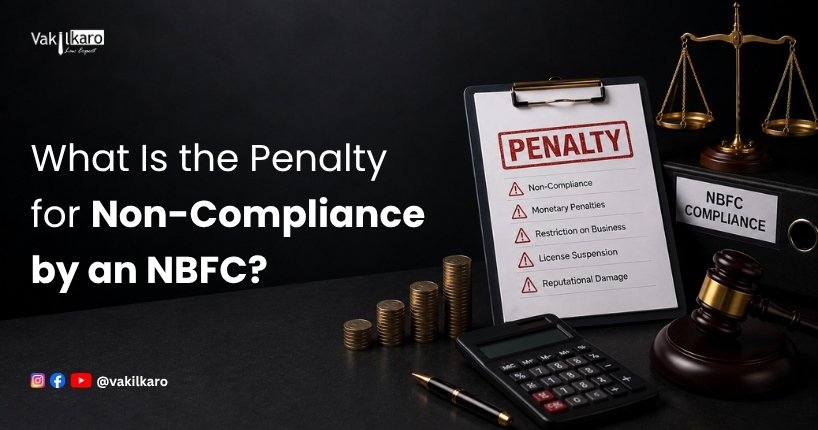
What Is the Penalty for Non-Compliance by an NBFC?
Non-compliance by Non-Banking Financial Companies (NBFCs) in India can result in severe penalties imposed by the RBI. These penalties may include monetary fines, suspension of operations, cancellation of deposit-taking licenses, and even the cancellation of the NBFC’s license in extreme cases. Viola
Can an NBFC Operate in Multiple States?
Yes, NBFCs can operate in multiple states in India, provided they comply with RBI regulations and state-specific laws. Expanding to multiple states offers benefits like increased market reach, diversified portfolios, and revenue growth. However, it also comes with challenges such as higher complianc
 NBFC & Finance
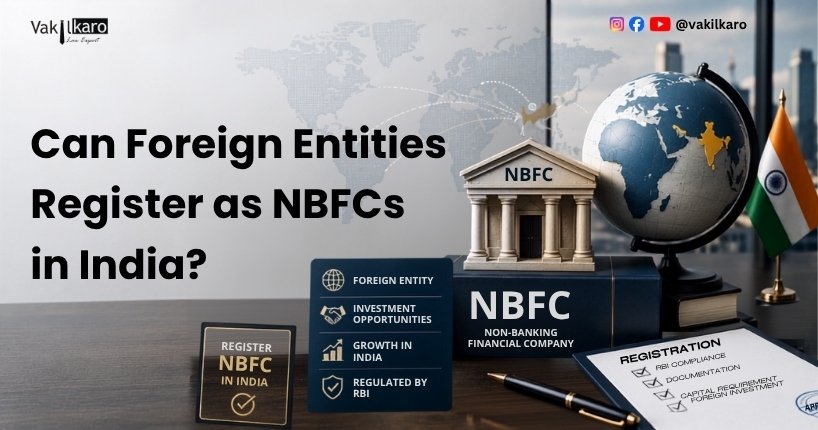
Can Foreign Entities Register as NBFCs in India?
Foreign entities can register as Non-Banking Financial Companies (NBFCs) in India by complying with regulatory requirements set by the Reserve Bank of India (RBI) and the Foreign Direct Investment (FDI) policy. Foreign investment is allowed up to 100% in NBFCs, with certain sector-specific caps. The
 NBFC & Finance
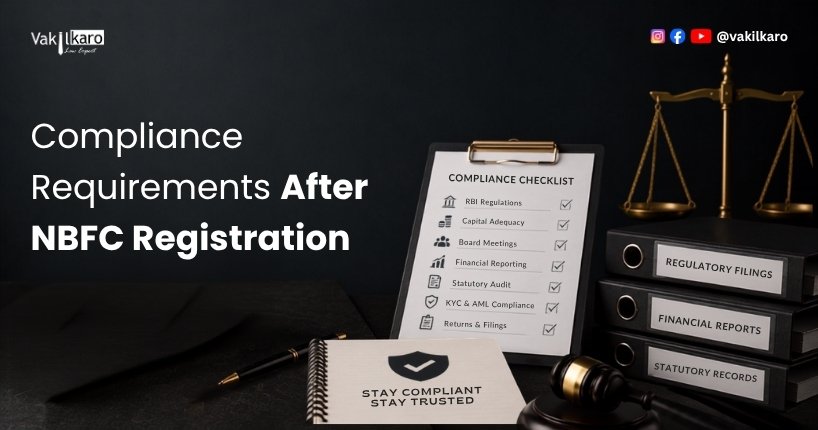
Compliance Requirements After NBFC Registration
Non-Banking Financial Companies (NBFCs) must adhere to ongoing compliance regulations set by the RBI after registration. These include maintaining capital adequacy, submitting quarterly and annual financial reports, ensuring proper governance, and following prudential norms. Regular audits, liquidit
 NBFC & Finance
Can an NBFC Convert into a Bank?
NBFCs in India can convert into banks by following a regulated process governed by the RBI. Conversion offers benefits like access to public deposits, enhanced credibility, and a broader range of services. NBFCs must meet strict eligibility criteria, including minimum net worth, strong corporate gov
 NBFC & Finance
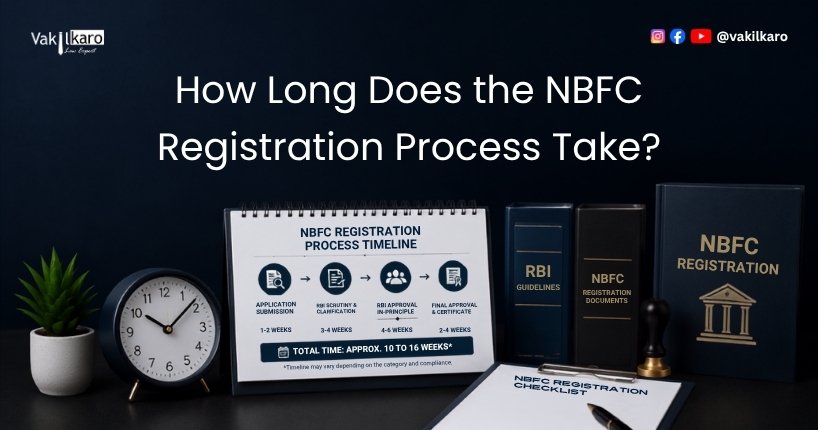
How Long Does the NBFC Registration Process Take?
The NBFC registration process with the Reserve Bank of India (RBI) typically takes 2 to 4 months, depending on factors like the completeness of the application, the company’s financial health, and the RBI’s processing time. The process involves steps such as company incorporation, meeting the minimu
 NBFC & Finance
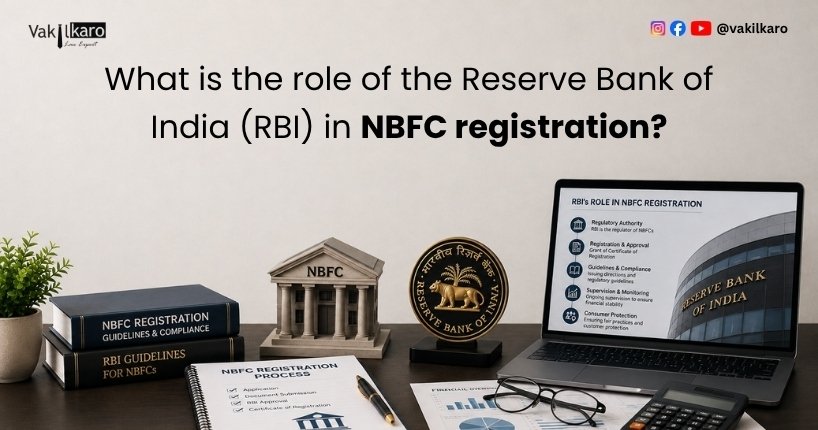
What is the role of the Reserve Bank of India (RBI) in NBFC registration?
The Reserve Bank of India (RBI) plays a critical role in the registration, regulation, and supervision of Non-Banking Financial Companies (NBFCs) in India. It ensures NBFCs meet eligibility criteria, including minimum capital requirements, and enforces compliance with regulations to maintain financi
 NBFC & Finance
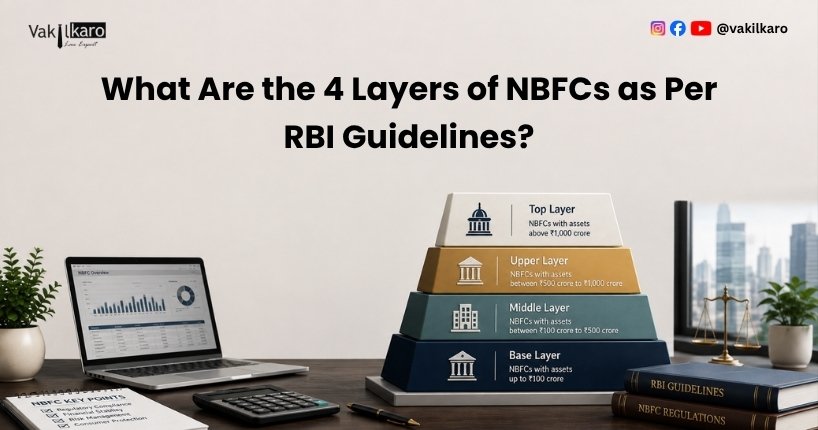
What Are the 4 Layers of NBFCs as Per RBI Guidelines?
The Reserve Bank of India (RBI) introduced a four-layer framework for classifying Non-Banking Financial Companies (NBFCs) based on their size, activity, and systemic importance. These layers are Base, Middle, Upper, and Top. The Base Layer consists of smaller NBFCs with less stringent regulations, w
What are the RBI guidelines for NBFC?
The RBI guidelines for Non-Banking Financial Companies (NBFCs) are essential for ensuring financial stability and compliance within the sector. These guidelines cover a range of aspects, including the registration process, minimum capital requirements (Net Owned Fund of ₹2 Crore), governance standar
 NBFC & Finance
What is the Cost of RBI NBFC License?
Obtaining an RBI NBFC license involves several costs, including an application fee of ₹3,00,000, which is paid at the time of applying. Additionally, the company must maintain a minimum Net Owned Fund (NOF) of ₹2 Crore, which must be deposited in the company’s bank account and reflected in the balan