Learning Centre
From the Vakilkaro blog
Practical guides on registration, trademark, tax, NGO and compliance — written and reviewed by our legal team.
 NBFC & Finance
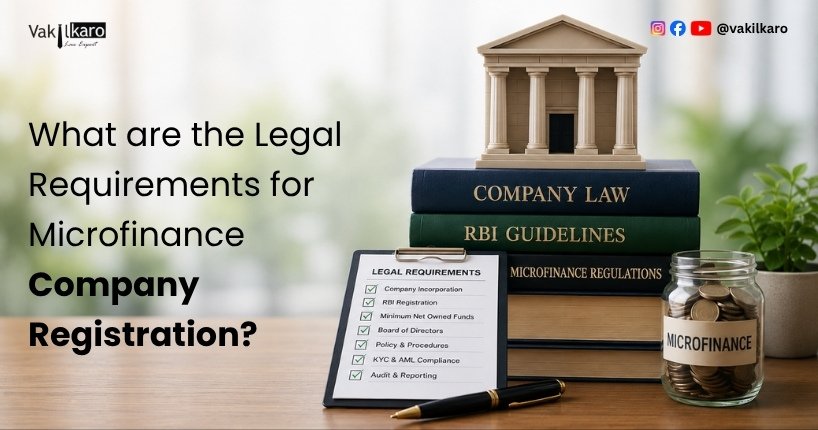
What are the Legal Requirements for Microfinance Company Registration?
Microfinance companies are vital in offering financial support to small businesses, low-income individuals, and rural communities lacking traditional banking access. Microfinance company registration ensures legal compliance and operational legitimacy. Understanding the different types of microfinan
What Are the Benefits of Trademark Registration?
Trademark registration is essential for protecting a brand’s identity in today’s competitive market. It grants exclusive rights to use a name, logo, or slogan while ensuring legal protection against unauthorized use. A registered trademark deters infringement, enhances brand recognition, and facilit
What Can Be Trademarked?
Trademark registration is essential for protecting a brand’s identity in today’s competitive market. It grants exclusive rights to use a unique name, logo, or symbol associated with a business. However, not everything qualifies for trademark registration. Elements that can be trademarked include bra
 Intellectual Properties
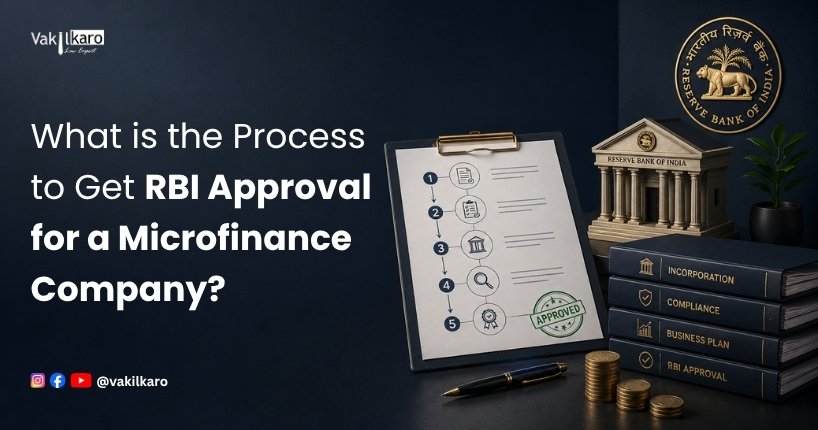
What is the Process to Get RBI Approval for a Microfinance Company?
A microfinance company plays a crucial role in financial inclusion by providing small loans to individuals and businesses lacking access to traditional banking. A Section 8 microfinance company can operate without RBI approval, but an NBFC-MFI must obtain an RBI license. To get RBI approval, a micro
What is Trademark Registration?
Trademark registration is essential for protecting a brand's identity, ensuring exclusive rights, and preventing unauthorized use. It involves conducting a trademark name search, selecting the correct class, and filing a trademark application either online or offline. The process includes examinatio
Can a Microfinance Company Provide Loans Without RBI Approval?
A microfinance Section 8 company can provide loans without RBI approval, making it an attractive option for social entrepreneurs. The Section 8 microfinance company registration process involves obtaining DSC and DIN, reserving a name, drafting MOA and AOA, filing incorporation documents with the MC
 NBFC & Finance
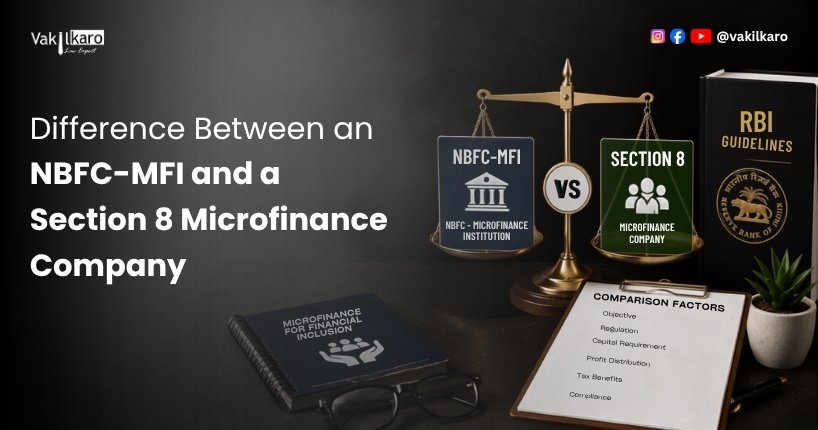
Difference Between an NBFC-MFI and a Section 8 Microfinance Company
Microfinance plays a crucial role in financial inclusion by offering credit to underserved individuals and small businesses. In India, microfinance institutions operate under two main structures: NBFC-MFIs and Section 8 Microfinance Companies. The micro finance company registration process differs f
Why is Trademark Registration Important?
Trademark registration is crucial for protecting a brand’s identity and preventing unauthorized use. Whether filing a trademark, trademarking a logo, or securing a brand name, TM registration grants exclusive rights, builds trust, and enhances business value. It ensures legal protection against infr
 NBFC & Finance
What Are the Benefits of Starting a Microfinance Company?
Starting a microfinance company offers numerous benefits, including promoting financial inclusion, fostering economic growth, and empowering underserved communities. These companies provide small loans, savings options, and insurance to individuals and businesses lacking access to traditional bankin
 NBFC & Finance
What are the Types of Microfinance Companies in India?
India has various types of microfinance companies, including NBFC-MFIs, Section 8 Companies, and Trusts/Societies, each with unique regulations. NBFC-MFIs require RBI approval and a minimum capital of ₹5 crores, while Section 8 Companies and Trusts operate as non-profits without RBI oversight. The m
 Intellectual Properties
What Happens If My Trademark Application Receives an Objection?
If your trademark application receives an objection, don’t panic. Trademark objections are common and can be resolved with a well-prepared response. The objection may arise due to similarity with existing trademarks, lack of distinctiveness, incorrect classification, or restricted words. To overcome
 NBFC & Finance
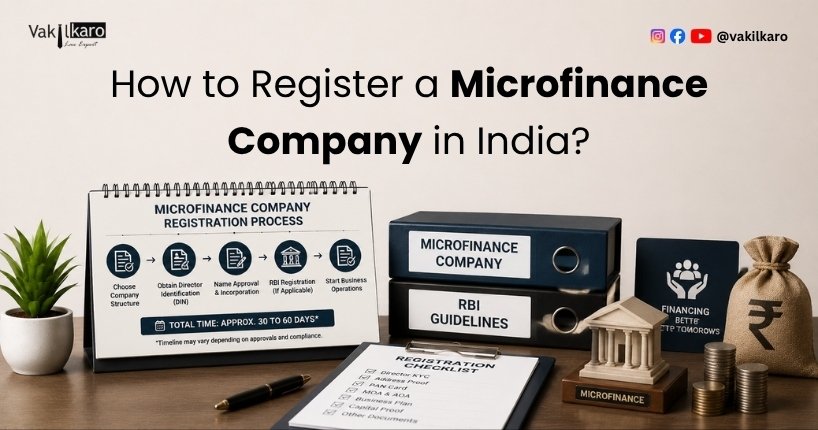
How to Register a Microfinance Company in India?
Registering a microfinance company in India involves choosing between an NBFC-MFI or a Section 8 Company, obtaining a Certificate of Incorporation, and complying with RBI regulations. Microfinance registration requires meeting capital requirements, submitting necessary documents, and securing RBI ap
 Intellectual Properties
How Long Does the Trademark Registration Process Take?
The trademark registration process varies by jurisdiction but generally takes 12 to 24 months to complete. It involves several stages, including a trademark search, application filing, examination, publication, and final registration. Trademarking a name or business name ensures exclusive rights and
Microfinance Company Registration: A Complete Guide
A Section 8 Microfinance Company registration is a nonprofit entity that provides financial services to low-income individuals and small businesses, promoting financial inclusion. Registration involves obtaining a license under the Companies Act, 2013, without requiring RBI approval. The process inc
 Intellectual Properties
Ultimate Guide to Trademark Protection
Trademarks are vital for a brand’s identity, representing trust, quality, and reputation. Protecting them is crucial, and trademark advocates help businesses and individuals navigate the complexities of trademark registration search, enforcement, and dispute resolution. These legal experts ensure co
 Intellectual Properties
Using a Brand Name Without Trademark Registration
Using a brand name without trademark registration is legally possible but comes with risks. While businesses can claim common law rights through usage, these rights are limited and harder to enforce. Without registration, there’s no exclusive legal protection, increasing the risk of infringement and
 Business Registrations
Minimum Director Requirement for a Private Limited Company
A Private Limited Company must have a minimum of two directors as per the Companies Act, 2013, ensuring efficient governance and decision-making. Directors play a key role in managing operations, compliance, and financial oversight. They must obtain a Director Identification Number (DIN) and meet el
 Intellectual Properties
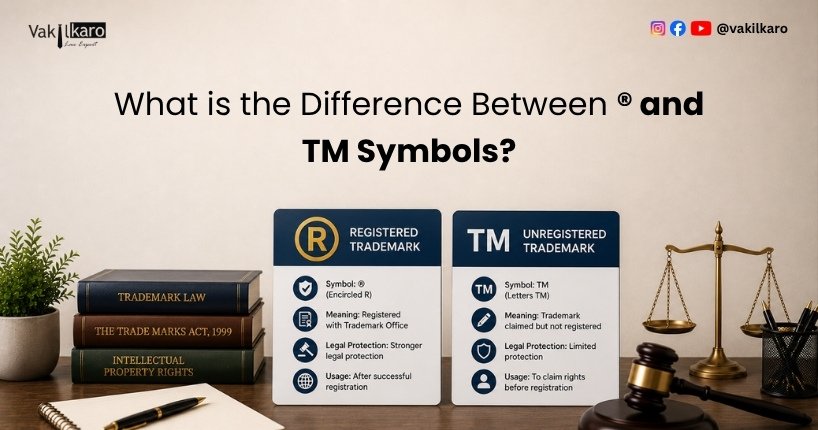
What is the Difference Between ® and TM Symbols?
The ® and TM symbols serve different purposes in trademark protection. The TM symbol indicates that a brand is claiming a trademark, even if it is not officially registered, while the ® symbol signifies a registered trademark with legal exclusivity. Using the TM symbol provides limited protection an
 Intellectual Properties
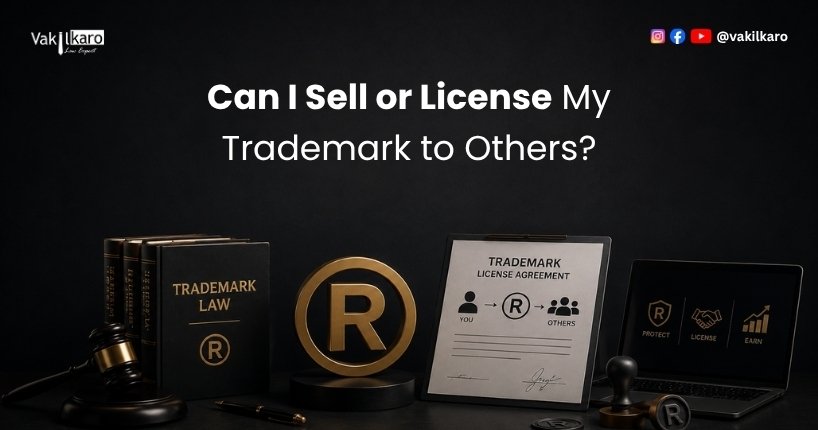
Can I Sell or License My Trademark to Others?
Selling or licensing a trademark allows owners to monetize their brand while maintaining or transferring ownership. Selling involves a complete transfer of rights, while licensing permits another party to use the trademark under specific terms, generating ongoing royalties. Both options require lega
 Business Registrations
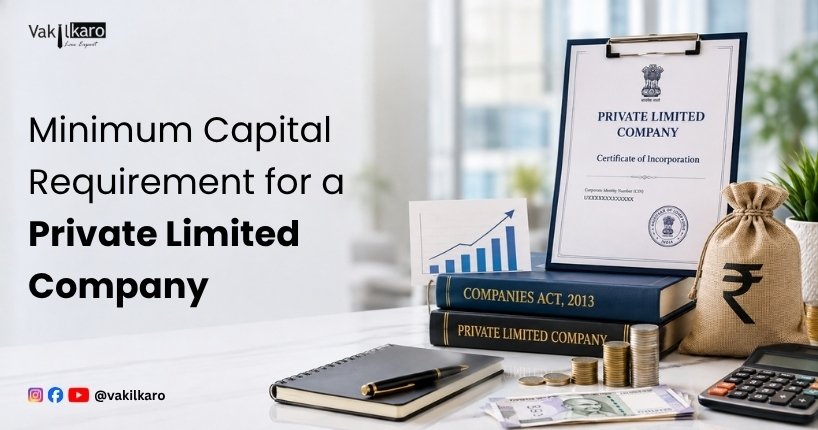
Minimum Capital Requirement for a Private Limited Company
The Companies Act, 2013 has removed the mandatory minimum capital requirement for a Private Limited Company, allowing businesses to start with any amount of capital. Previously, a minimum paid-up capital of ₹1 lakh was required, but now companies can determine their capital based on operational need
 Business Registrations
Maximum Directors in a Private Limited Company
A Private Limited Company must have at least two directors and can appoint up to 15 directors as per the Companies Act, 2013. However, this limit can be exceeded by passing a special resolution in a general meeting. Directors play a crucial role in corporate governance, compliance, and decision-maki
 Business Registrations
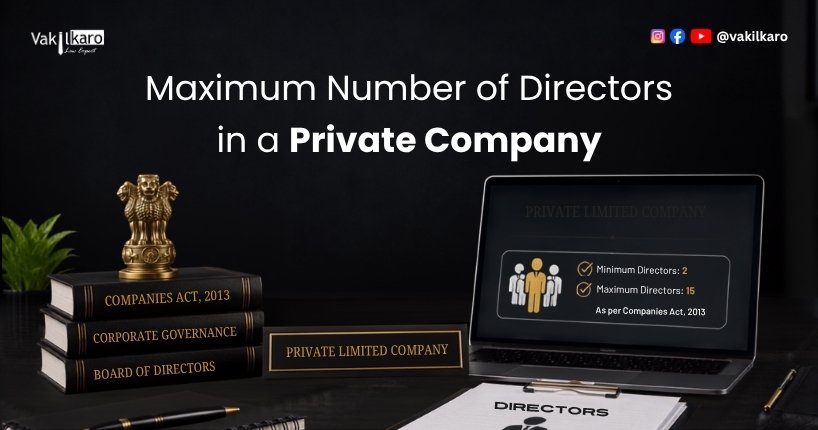
Maximum Number of Directors in a Private Company
As per the Companies Act, a private company must have a minimum of two directors and can appoint a maximum of 15 directors. However, the limit can be increased by passing a special resolution in a general meeting. Directors play a crucial role in managing the company’s affairs, ensuring compliance,
 NBFC & Finance
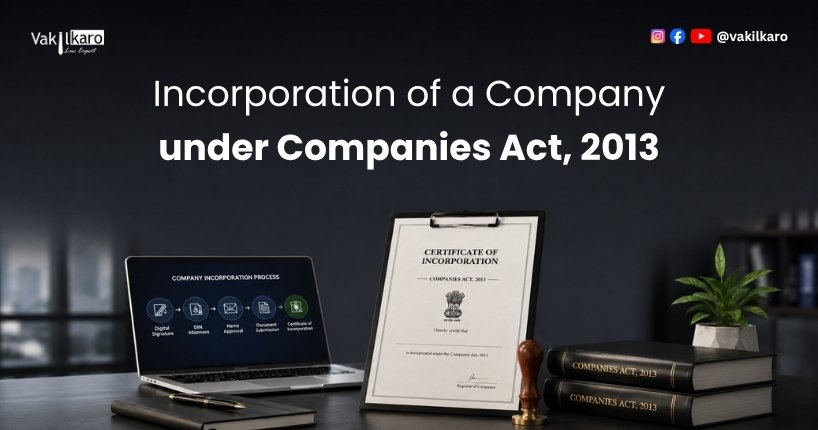
Incorporation of a Company under Companies Act, 2013
The incorporation of a company under the Companies Act, 2013 involves several key steps, including selecting a business structure, obtaining Digital Signature Certificates (DSC) and Director Identification Numbers (DIN), reserving a unique company name through the MCA portal, drafting essential docu
 Business Registrations
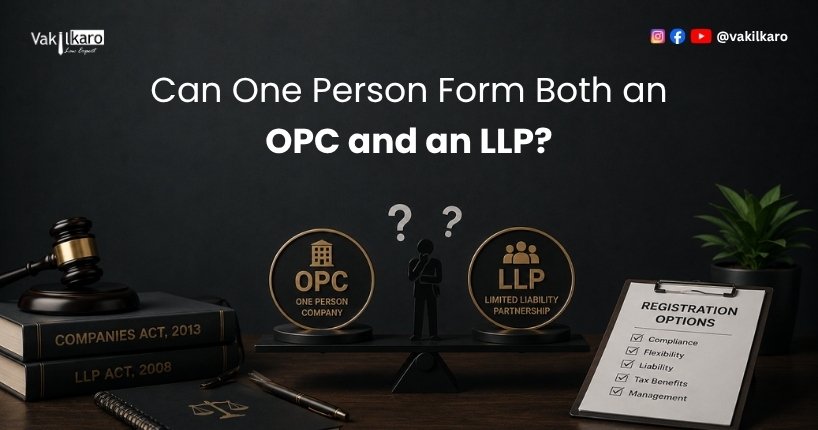
Can One Person Form Both an OPC and an LLP?
A single person can initiate both one person company registration and limited liability partnership registration, but specific legal conditions apply. One person company registration allows sole ownership with limited liability, while limited liability partnership registration requires at least two