Learning Centre
From the Vakilkaro blog
Practical guides on registration, trademark, tax, NGO and compliance — written and reviewed by our legal team.
 Business Registrations
How to Manage Finances and Budgeting for an NGO?
Non-Governmental Organizations (NGOs) play a vital role in addressing various societal challenges, but managing finances is key to their sustainability. A solid budgeting and financial strategy is essential for long-term impact and donor trust. In India, this includes proper NGO registration, Sectio
What are the Training Programs Available for NGO Staff in India?
Non-Governmental Organizations (NGOs) are key to India’s social development, working across sectors like health, education, and environment. Their success depends on the skills and training of their staff. Capacity-building programs help NGO teams manage projects, ensure legal compliance, and boost
 Business Registrations
How to Handle Media Relations for an NGO?
In today’s digital age, effective media relations are essential for NGOs to build visibility, attract donors, and showcase impact. Whether operating under NGO registration or Section 8 company registration, organizations benefit from strategic communication with press and digital platforms. Media co
What Are the Legal Implications of NGO Advocacy Work?
In India, NGOs play a crucial role in addressing societal challenges and advocating for change. Advocacy—whether through public campaigns, policy lobbying, or awareness drives—is a powerful tool, but it comes with legal responsibilities. NGOs operating as trusts, societies, or under Section 8 compan
 Business Registrations
How to Ensure Sustainability of NGO Projects in India?
Non-Governmental Organizations (NGOs) are key drivers of social progress in India, addressing issues like education, healthcare, environment, and women empowerment. Yet, many NGOs face the challenge of sustainability—not just financial, but strategic and operational. Whether operating as a trust, so
What Are the Steps to Dissolve an NGO in India?
Non-Governmental Organizations (NGOs) are vital in addressing key social issues in India. However, NGOs may need to dissolve due to various challenges like funding shortages or goal shifts. The dissolution process varies based on the NGO’s structure—Trust, Society, or Section 8 Company—and involves
 Business Registrations
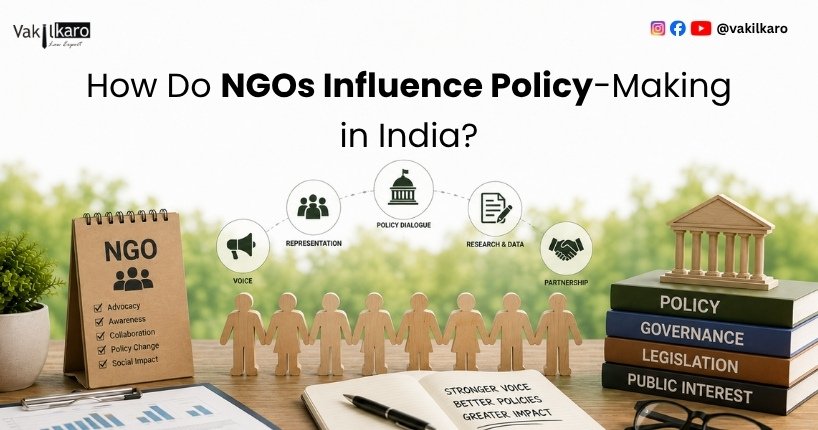
How Do NGOs Influence Policy-Making in India?
Non-Governmental Organizations (NGOs) significantly influence policy-making in India by conducting research, launching advocacy campaigns, participating in government committees, and filing public interest litigations. Their impact is amplified when backed by legal recognition through NGO registrati
What are the Ethical Considerations for NGOs Operating in India?
NGOs are vital to India’s social development, working across education, health, environment, and justice. With this responsibility comes the need for high ethical standards. Whether formed through Section 8 company registration, trust, or society registration, NGOs must ensure transparency, accounta
How to Measure the Impact of an NGO's Work?
Non-Governmental Organizations (NGOs) in India play a vital role in addressing socio-economic issues. To ensure their initiatives bring real, lasting change, NGOs must measure their impact using inputs, outputs, outcomes, and long-term impact metrics. Legal structures like NGO registration, Section
What are the Challenges in NGO Fundraising in India?
Fundraising is crucial for NGOs in India, where they address gaps in education, health, and development. Despite valid NGO registration, Section 8 company registration, and 12A and 80G registration, many struggle to raise sustainable funds. Challenges include public mistrust, regulatory complexities
 Business Registrations
How to Build a Strong Volunteer Base for an NGO in India?
Volunteers are the heart of any NGO, especially in India, where social issues are widespread and pressing. While funding is essential, the consistent support of committed and passionate volunteers makes long-term impact possible. Building a strong volunteer base requires more than outreach—it demand
What Are the Best Practices for NGO Management in India?
Non-Governmental Organizations (NGOs) are vital to India’s development, tackling key issues like education, healthcare, and women empowerment. Effective NGO management is essential to ensure transparency, accountability, and impact. Whether operating as a trust, society, or Section 8 company, follow
 Business Registrations
How to Collaborate with Other NGOs in India?
Collaboration is vital for NGOs aiming to create lasting change in India’s diverse socio-economic landscape. No single organization can address every challenge alone. Partnering with other NGOs fosters innovation, resource sharing, and greater impact. Whether in healthcare, education, or women’s emp
What are the Common Sources of Income for NGOs in India?
Non-Governmental Organizations (NGOs) in India play a vital role in tackling social, health, education, and environmental issues. To sustain their efforts, NGOs rely on diverse income sources like individual donations, CSR funding, grants, and income-generating activities. Proper legal frameworks—su
 Business Registrations
What is Corporate Social Responsibility (CSR) and how do NGOs benefit?
Corporate Social Responsibility (CSR) reflects a company’s commitment to ethical practices and inclusive growth. In India, CSR is a legal requirement under the Companies Act, 2013, mandating eligible companies to invest a portion of profits in social and environmental initiatives. NGOs play a vital
 Business Registrations
How to Create Awareness for an NGO's Cause in India?
Creating awareness for an NGO’s cause in India is crucial for building trust, attracting donors, mobilizing volunteers, and driving long-term impact. A strong campaign begins with legal credibility—through Section 8 company registration, NGO registration, and 12A and 80G registrations—which assures
What Are the Reporting Requirements for NGOs in India?
Non-Governmental Organizations (NGOs) are vital in driving social welfare, education, healthcare, and environmental initiatives across India. Whether structured as trusts, societies, or Section 8 companies, NGOs must adhere to various financial and statutory reporting requirements to ensure transpar
 Business Registrations
How to Check if an NGO is Legitimate in India?
Non-Governmental Organizations (NGOs) are central to India’s social upliftment, operating across sectors like education, healthcare, environment, and rural development. However, as the number of NGOs increases, so does the need to ensure their legitimacy. Verifying NGO registration, especially under
 Business Registrations
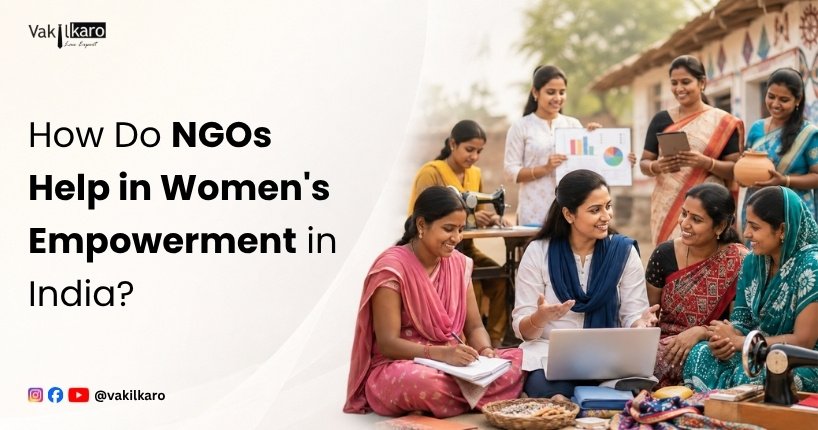
How Do NGOs Help in Women's Empowerment in India?
NGOs in India play a vital role in women's empowerment by addressing education, healthcare, legal rights, economic independence, and social justice. They provide access to education, vocational training, healthcare, and legal aid, empowering women to overcome societal barriers and become self-suffic
The Importance of NGOs in Environmental Conservation in India
In India, NGOs play a vital role in environmental conservation, addressing challenges like pollution, deforestation, and climate change. They raise awareness, promote sustainable practices, and protect biodiversity through various initiatives. NGOs also empower local communities and advocate for pol
 Business Registrations
How to Write a Project Proposal for NGO Funding?
Securing funding is vital for any NGO’s success. A well-crafted project proposal not only outlines your mission but also builds donor trust. Whether newly formed or established, NGOs must highlight compliance credentials like Section 8 company registration, NGO registration, and 12A and 80G registra
 Business Registrations
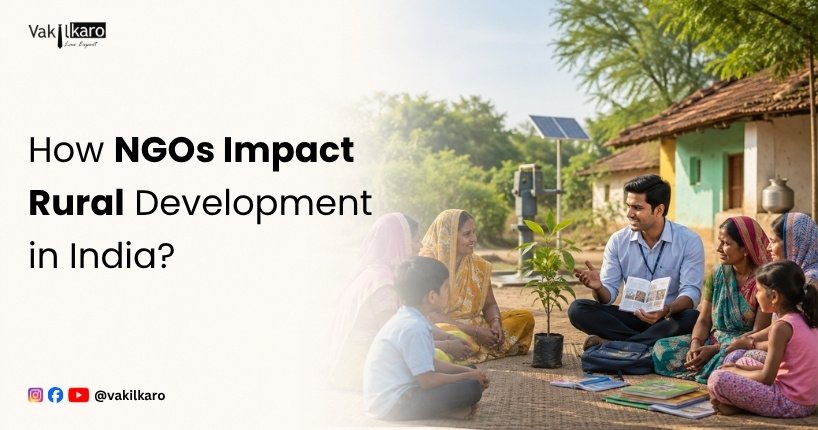
How NGOs Impact Rural Development in India?
Rural development remains a pressing issue in India, where a large portion of the population lives in villages lacking access to essential services like education, healthcare, and employment. Non-Governmental Organizations (NGOs) play a crucial role in bridging these gaps by implementing grassroots
What is the Foreign Contribution Regulation Act (FCRA) for NGOs?
Non-Governmental Organizations (NGOs) play a vital role in addressing social challenges, relying on foreign funding to support their initiatives. The Foreign Contribution Regulation Act (FCRA) regulates such funds to ensure transparency and prevent misuse. FCRA applies to NGOs, Trusts, Societies, an
 Business Registrations
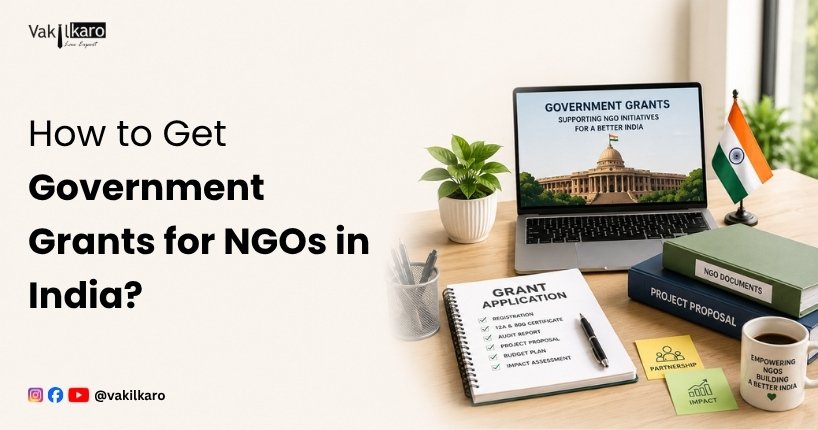
How to Get Government Grants for NGOs in India?
Government grants provide essential financial support to NGOs working in areas like education, healthcare, women empowerment, and poverty alleviation. To qualify for these grants, NGOs must meet legal requirements, including NGO registration, Section 8 company registration, and 12A and 80G registrat